
Exodus 4:10-17 is about God reassuring Moses of His presence, power, and provision as he expresses doubts and insecurities in his ability to lead the Israelites out of Egypt.
10 But Moses said to the Lord, “Oh, my Lord, I am not eloquent, either in the past or since you have spoken to your servant, but I am slow of speech and of tongue.”
11 Then the Lord said to him, “Who has made man’s mouth? Who makes him mute, or deaf, or seeing, or blind? Is it not I, the Lord?
12 Now therefore go, and I will be with your mouth and teach you what you shall speak.
13 But he said, “Oh, my Lord, please send someone else.”
14 Then the anger of the Lord was kindled against Moses and he said, “Is there not Aaron, your brother, the Levite? I know that he can speak well. Behold, he is coming out to meet you, and when he sees you, he will be glad in his heart.
15 You shall speak to him and put the words in his mouth, and I will be with your mouth and with his mouth, and will teach you both what to do.
16 He shall speak for you to the people, and he shall be your mouth, and you shall be as God to him.
17 And take in your hand this staff, with which you shall do the signs.”
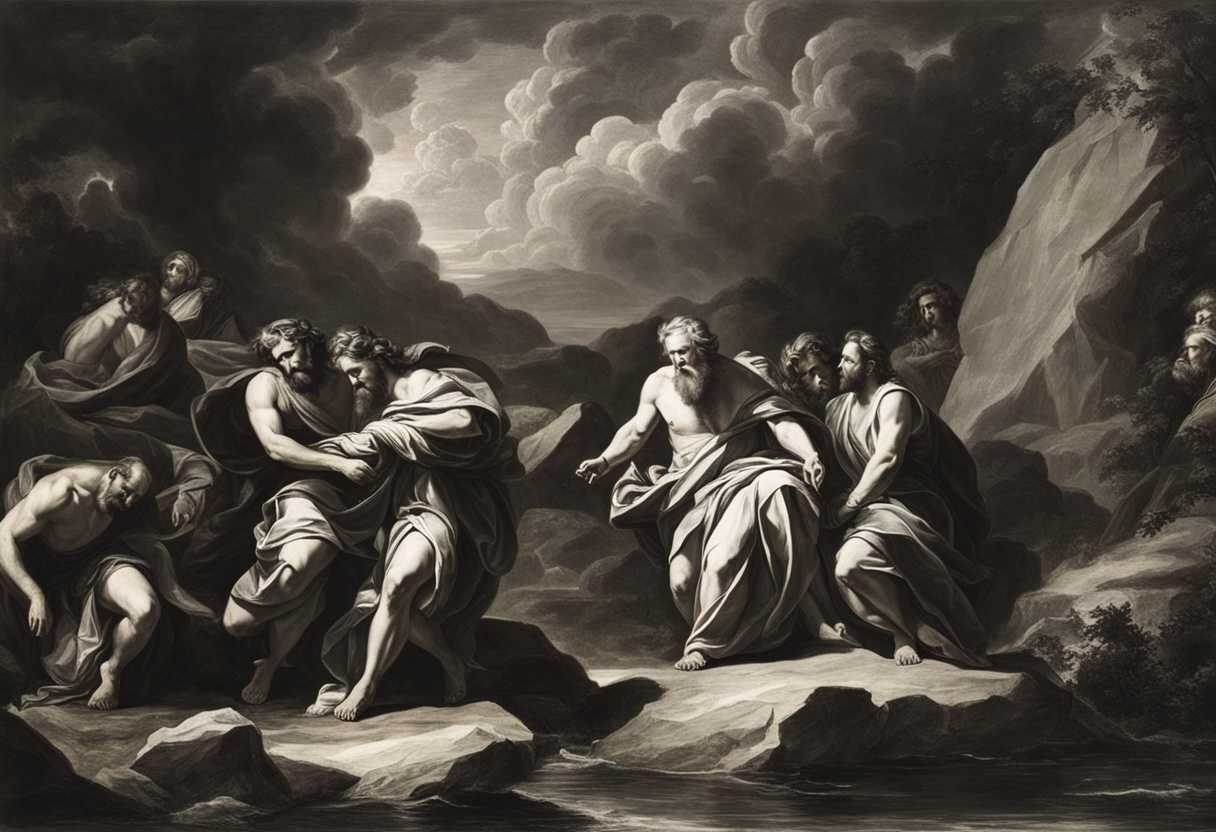
Setting the Scene for Exodus 4:10-17
In Exodus chapter 4, we find Moses standing before the burning bush on Mount Horeb, also known as Mount Sinai. The scene is set in the rugged and barren wilderness, with the majestic mountain looming in the background. The air is filled with a sense of awe and reverence as the presence of God is palpable in this sacred space.
Moses, a former prince of Egypt turned humble shepherd, is in the presence of the Lord who has called him to lead the Israelites out of slavery in Egypt. Despite his initial reluctance and self-doubt, Moses is now engaged in a profound conversation with God, who is commissioning him for this monumental task. The burning bush, a symbol of God’s presence and power, is a focal point in this encounter, radiating light and heat in the midst of the desolate landscape.
As Moses grapples with his insecurities and questions, God reassures him of His divine plan and promises to be with him every step of the way. The exchange between God and Moses is one of intimacy and trust, as the Almighty equips His chosen servant for the extraordinary mission that lies ahead. This pivotal moment marks the beginning of a transformative journey for Moses and the Israelites, setting the stage for the miraculous events that will unfold in the chapters to come.
What is Exodus 4:10-17 about?
Moses doubts his own capabilities and feels inadequate for the task ahead of him, which is leading the Israelites out of Egypt in this verse. It’s a moment that many of us can relate to – feeling overwhelmed by a challenge and questioning whether we have what it takes to succeed. However, God’s response to Moses reminds us that we are not alone in our struggles. God reassures Moses that He will be with him every step of the way, guiding him and providing him with the strength and wisdom he needs to fulfill his purpose.
This verse serves as a powerful reminder that our weaknesses and insecurities do not disqualify us from fulfilling our calling. Instead, they are opportunities for God to demonstrate His strength and power through us. God equips each of us with the gifts and abilities we need to make a difference in the world, just as He equipped Moses for his role as a leader. So, the next time you doubt yourself, remember that God is always ready to empower you to rise above your doubts and fears. Trust in His guidance and trust in yourself, knowing that you are capable of great things with His help.
Understanding what Exodus 4:10-17 really means
In Exodus 4:10-17, we witness a profound dialogue between Moses and God, where Moses expresses his doubts and insecurities about his ability to lead the Israelites out of Egypt. He tells God that he is “slow of speech and tongue,” revealing his feelings of inadequacy. This vulnerability is relatable to many of us today, as we often question our own capabilities when faced with daunting tasks or callings. However, God’s response to Moses is a powerful reminder that He is the ultimate source of empowerment and qualification. When God asks Moses, “Who gave human beings their mouths?” He is essentially reminding Moses that He is the Creator who can equip and enable him for the task at hand.
Furthermore, God’s promise to help Moses speak and teach him what to say demonstrates His unwavering support and guidance for those He calls. This assurance extends beyond Moses’ specific situation and serves as a timeless truth for all believers. Just as God provided Aaron as a helper for Moses, He continues to provide us with the necessary resources and support to fulfill His purposes in our lives. This passage challenges us to trust in God’s provision and step out in faith, even when we feel ill-equipped or unqualified.
Drawing parallels from other biblical passages such as Jeremiah 1:6-9, 1 Corinthians 1:27-29, and Isaiah 6:5-8, we see a recurring theme of God choosing the weak and inadequate to accomplish His plans. These verses emphasize that God’s power is made perfect in human weakness, highlighting the transformative work He can do through those who trust in Him. As we reflect on these stories, we are encouraged to embrace our own callings with confidence, knowing that God’s strength is made evident in our weaknesses.
Consider the story of Sarah, a young woman who doubted her leadership abilities when called to start a community outreach program. Despite her insecurities, Sarah’s faith in God’s provision led her to seek guidance and trust in His plan. Just as Aaron supported Moses, God brought people into Sarah’s life who helped her realize her vision and lead with confidence. Sarah’s journey serves as a modern-day example of how God equips and empowers those He calls, even in the face of self-doubt.
In conclusion, Exodus 4:10-17 reminds us that God’s call is accompanied by His provision. It challenges us to move beyond our insecurities and rely on God’s strength to accomplish the tasks He sets before us. By reflecting on Moses’ experience and the experiences of others in the Bible, we can find the courage to embrace our own callings, knowing that God will be with us every step of the way. Let us trust in God’s faithfulness and step out in obedience, confident that He will equip us for the journey ahead.
How can we trust God’s plan for us?
We can trust God’s plan for us by recognizing that He equips us with the abilities and resources we need to fulfill His purposes. We can have faith that God will provide us with what we need to carry out His plan for our lives, just as He promised to be with Moses and help him speak and perform miracles. We should remember that God’s plan is designed for our ultimate good, even if it may seem challenging or beyond our abilities at times.
It’s essential to understand that God’s plan involves His perfect timing. We can trust that God knows the best timing for each step of His plan to unfold in our lives. We should surrender ourselves to His will and trust that He has our best interests at heart. We can cultivate a deeper trust in God’s plan for us and live with confidence in His promises by seeking His guidance through prayer and studying His Word.
Application
In the vast tapestry of our modern world, there are tasks waiting for your touch that only you can fulfill. Like Moses, you may feel unprepared, but remember, God equips the willing with extraordinary abilities to lead. Use your talents and believe in the power that flows through you. Will you rise to the challenge, ready to shape the path ahead with courage and faith?

Reverend Michael Johnson is an experienced Church Minister with a profound expertise in spirituality and guidance. With a serene presence and a compassionate heart, he has faithfully served his congregation for over 20 years, leading them on a spiritual journey towards inner peace and enlightenment. Reverend Johnson’s extensive knowledge of religious philosophies and profound understanding of human nature have made him a trusted confidant and mentor to many, as he seamlessly weaves his profound wisdom into life teachings. Reverend Johnson’s calming demeanor and empathetic nature continue to uplift and heal souls, nurturing a sense of unity and tranquility within his community.