
Exodus 4:13 is about Moses expressing his lack of confidence in his ability to speak eloquently but ultimately relying on God’s support and guidance to fulfill his calling.
13 But he said, “Oh, my Lord, please send someone else.”
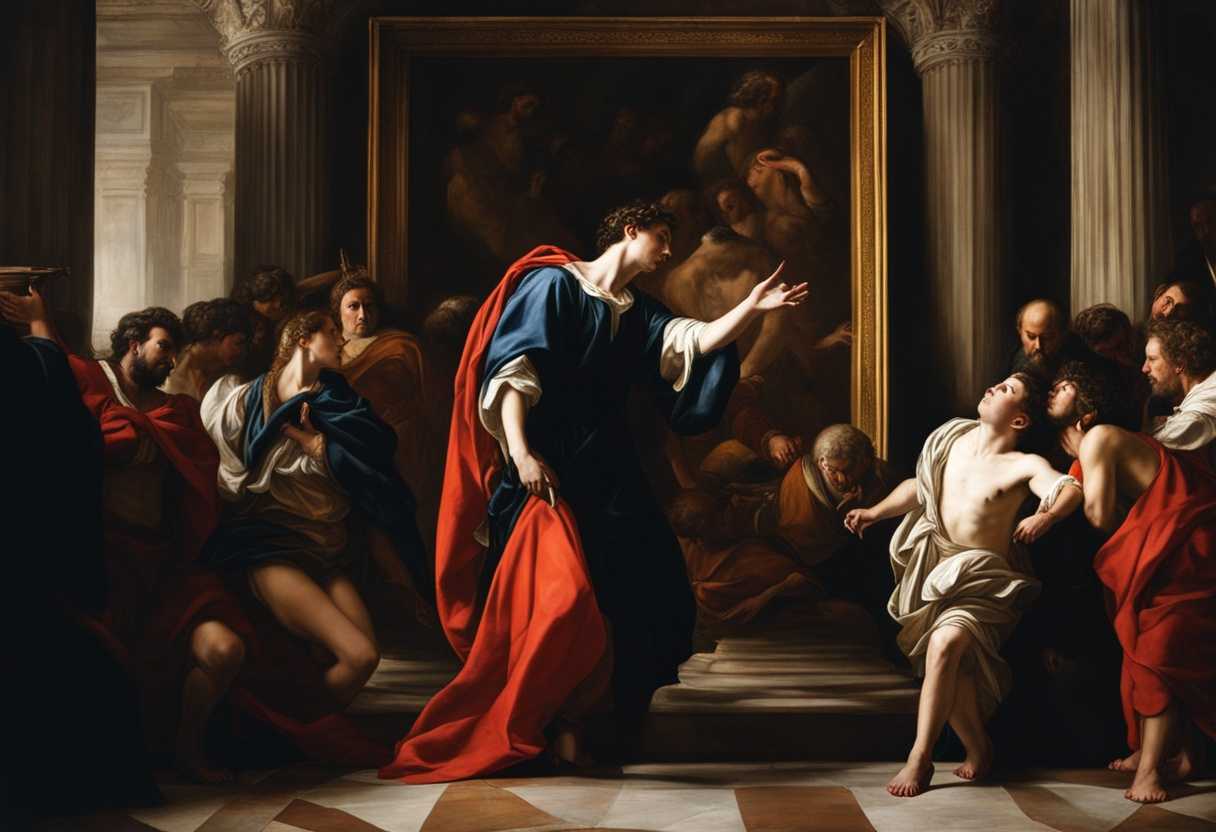
Setting the Scene for Exodus 4:13
In Exodus chapter 4, we find Moses standing before the burning bush on Mount Horeb, also known as Mount Sinai. The scene is set in the rugged and barren wilderness, with the majestic mountain looming in the background. The bush is ablaze with fire but miraculously remains unburned, capturing Moses’ attention and drawing him closer.
As Moses approaches the bush, he hears the voice of God calling out to him. The Lord instructs Moses to go to Egypt and lead the Israelites out of slavery. Overwhelmed by the magnitude of the task before him, Moses hesitates and expresses his doubts and fears to God. It is in this moment of uncertainty and vulnerability that Moses utters the words, “Pardon your servant, Lord. Please send someone else.”
The exchange between Moses and God in this scene is a pivotal moment in the biblical narrative, as it marks the beginning of Moses’ journey to becoming the great leader of the Israelites. The burning bush symbolizes the presence of God and serves as a powerful reminder of His authority and power. Moses’ reluctance and God’s reassurance set the stage for the epic story of the Exodus and the liberation of the Israelites from bondage.
What is Exodus 4:13 about?
Moses shows vulnerability and self-doubt in this verse as he expresses his hesitation to be the spokesperson for God’s message. He feels inadequate in his speaking abilities and worries that he may not be the right person for the task. Have you ever found yourself in a situation where you felt doubt or insecurity about your own abilities? It is important to remember that even great leaders like Moses faced moments of uncertainty and fear.
Despite Moses’ doubts, God reaffirms his faith in him and his abilities. This verse serves as a powerful reminder that God does not call the equipped, but he equips the called. God sees our potential even when we cannot see it ourselves. How often do we underestimate ourselves and our capabilities? It is essential to trust in God’s plan for us, knowing that he will provide us with the strength and guidance we need to fulfill our purpose. This verse ultimately teaches us about the power of faith, trust, and overcoming self-doubt with God’s help.
Understanding what Exodus 4:13 really means
In Exodus 4:13, we witness a poignant moment in the dialogue between Moses and God. As God calls Moses to lead the Israelites out of Egypt, Moses, in his humility and fear, pleads with God to send someone else. This interaction reveals Moses’ inner turmoil and self-doubt, a relatable struggle for many individuals when faced with daunting challenges or callings.
The phrase “But Moses said” signifies a direct and personal communication between Moses and God, emphasizing the intimacy of their relationship. Through his words, “Pardon your servant, Lord,” Moses displays humility and acknowledges God’s supreme authority over him. His plea, “Please send someone else,” echoes the common human experience of feeling inadequate and hesitant to step into roles that seem beyond our capabilities.
In parallel biblical passages like Jeremiah 1:6 and Isaiah 6:8, we see similar themes of reluctance and willingness in responding to God’s call. Jeremiah, like Moses, expresses his inadequacy, while Isaiah demonstrates immediate readiness to serve. These contrasting reactions highlight the diversity of responses to God’s call and underscore the importance of trust and obedience in fulfilling His plans.
The relevance of Exodus 4:13 extends to contemporary struggles with self-doubt and fear. Many individuals today grapple with feelings of inadequacy when confronted with significant tasks or divine callings. This verse serves as a reminder that even revered figures like Moses faced moments of uncertainty, yet God’s grace and empowerment were sufficient for them to fulfill their purposes.
To illustrate this point, consider the story of Sarah, a young woman who felt compelled to initiate a community outreach program but was plagued by doubts and insecurities. Through prayer and support from her faith community, Sarah found the courage to move forward despite her initial reluctance, mirroring Moses’ plea to God. Ultimately, her obedience and trust in God’s provision led to the success of the program, showcasing how God equips and empowers those He calls, even in moments of doubt.
In conclusion, Exodus 4:13 reminds us that it is natural to feel inadequate when faced with God’s calling, but it also reassures us that God equips and strengthens those He calls. By leaning on His guidance, trusting in His plan, and stepping out in faith, we can overcome our fears and accomplish remarkable feats for His glory. Just as Moses found the courage to lead the Israelites, we too can find the strength to embrace our callings and make a meaningful impact in the world.
What is God asking you to do?
God is asking you to trust in Him and His power. He wants you to have faith that He will equip you with everything you need to accomplish the task He has set before you. You show that you believe in His ability to work through you and fulfill His purposes through your life by obeying His call.
You may feel unequipped or inadequate for the challenge presented to you, but God assures you that He will be with you every step of the way. He is encouraging you to step out in faith, knowing that He is the one who ultimately accomplishes His will through your obedience. Trust in His strength and guidance, and do not be afraid to take on the task He is calling you to.
Application
Just as Moses faced uncertainty but trusted in God’s plan, we too must step out in faith, even when we doubt our abilities. Let’s embrace the challenge to rely on God’s strength to overcome our fears and fulfill our purpose. Like a navigator steers a ship through stormy seas, let us navigate our lives with faith as our compass. Do you dare to embrace the unknown, confident in the path that faith illuminates?

Reverend Michael Johnson is an experienced Church Minister with a profound expertise in spirituality and guidance. With a serene presence and a compassionate heart, he has faithfully served his congregation for over 20 years, leading them on a spiritual journey towards inner peace and enlightenment. Reverend Johnson’s extensive knowledge of religious philosophies and profound understanding of human nature have made him a trusted confidant and mentor to many, as he seamlessly weaves his profound wisdom into life teachings. Reverend Johnson’s calming demeanor and empathetic nature continue to uplift and heal souls, nurturing a sense of unity and tranquility within his community.