
Exodus 4:18-23 is about God instructing Moses to return to Egypt to free the Israelites, reminding him of His power and authority and warning of the consequences if Pharaoh refuses to let the people go.
18 Moses went back to Jethro his father-in-law and said to him, “Please let me go back to my brothers in Egypt to see whether they are still alive.” And Jethro said to Moses, “Go in peace.”
19 And the Lord said to Moses in Midian, “Go back to Egypt, for all the men who were seeking your life are dead.”
20 So Moses took his wife and his sons and had them ride on a donkey, and went back to the land of Egypt. And Moses took the staff of God in his hand.
21 The Lord said to Moses, “When you go back to Egypt, see that you do before Pharaoh all the miracles that I have put in your power. But I will harden his heart, so that he will not let the people go.
22 Then you shall say to Pharaoh, ‘Thus says the Lord, Israel is my firstborn son,
23 and I say to you, “Let my son go that he may serve me.” If you refuse to let him go, behold, I will kill your firstborn son.’”
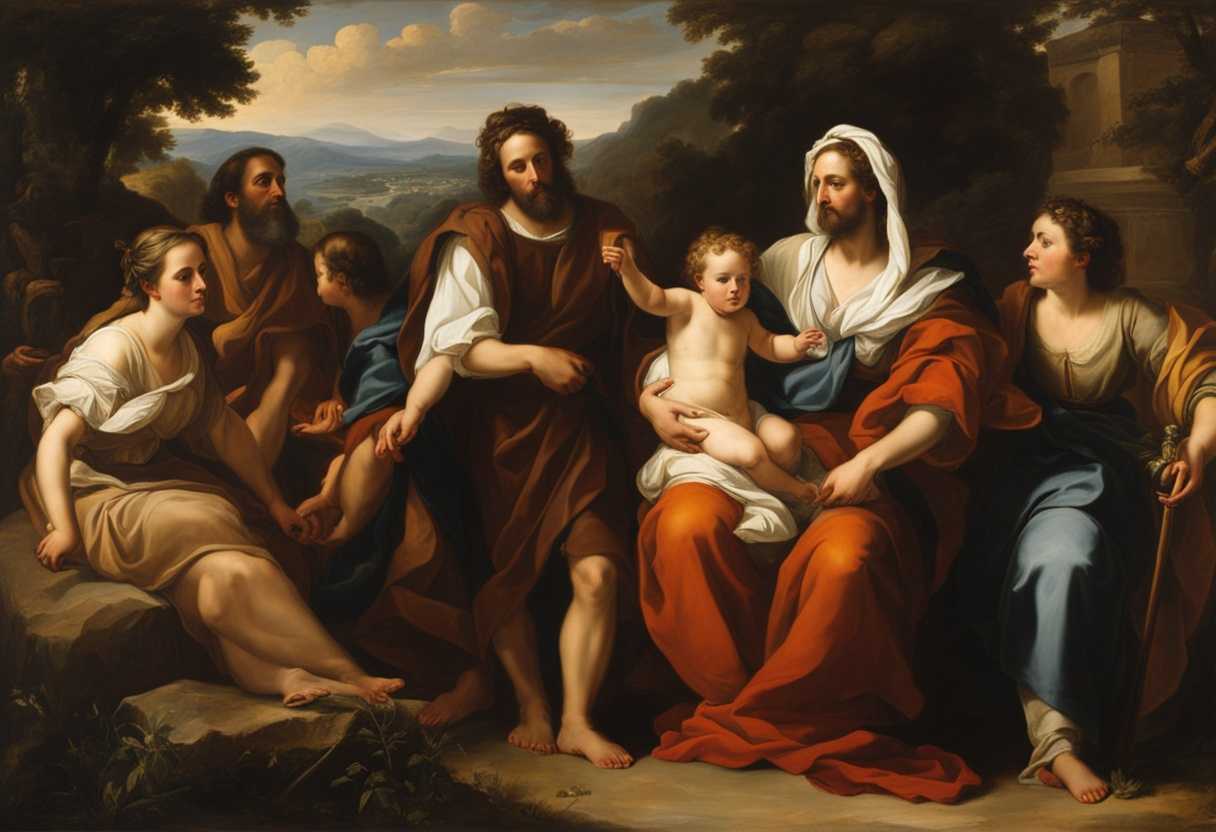
Setting the Scene for Exodus 4:18-23
In Exodus chapter 4, we find Moses on his way back to Egypt with his wife Zipporah and their two sons, Gershom and Eliezer. The scene is set in the wilderness as they journey towards Egypt after Moses had encountered God at the burning bush and received his divine commission to lead the Israelites out of slavery. The family is traveling through the vast desert landscape, with the scorching sun beating down on them and the sand stretching out endlessly in all directions.
As they make their way towards Egypt, Moses is filled with a mix of determination and trepidation, knowing the monumental task that lies ahead of him. Zipporah walks beside him, offering words of encouragement and support, while Gershom and Eliezer playfully run ahead, their laughter echoing through the barren wilderness. The weight of the mission entrusted to Moses by God hangs heavy in the air, a sense of destiny and purpose guiding their steps.
Amidst the desolate beauty of the desert, this family finds themselves at a pivotal moment in history, poised to play a crucial role in the liberation of the Israelites. The scene is charged with anticipation and a sense of the divine presence, as Moses prepares to confront Pharaoh and demand the release of his people, setting in motion the events that will ultimately lead to the exodus from Egypt.
What is Exodus 4:18-23 about?
God is tasking Moses with a formidable challenge in this verse: to confront Pharaoh, one of the most powerful leaders of that time, and demand him to release the Israelites from slavery. This directive signifies the beginning of a monumental journey towards liberation and freedom for the Israelites. It illustrates the courage, faith, and obedience that Moses must possess to carry out this divine command. Can you imagine the weight of responsibility Moses must have felt at that moment, standing before a tyrant to advocate for his oppressed people?
This verse serves as a powerful reminder that God often calls upon us to confront difficult and daunting circumstances in our lives. It challenges us to step out of our comfort zone, take risks, and stand up for justice and righteousness. Just like Moses, we may feel inadequate or fearful when facing obstacles or confronting powerful forces. However, this verse teaches us that when we trust in God’s guidance and strength, we can overcome even the most formidable challenges. How can you draw inspiration from Moses’s example and find the courage to confront your own Pharaohs in life, knowing that God is with you every step of the way?
Understanding what Exodus 4:18-23 really means
In Exodus 4:18-23, we witness a pivotal moment in Moses’ journey as he prepares to return to Egypt, following God’s call to lead the Israelites out of captivity. The context reveals Moses seeking permission from his father-in-law, Jethro, showcasing respect and obedience within familial relationships. This act of seeking counsel highlights the importance of honoring family ties even amidst significant divine missions.
God’s reassurance to Moses, “Go back to Egypt, for all those who wanted to kill you are dead,” serves as a powerful declaration of divine protection and providence. It underscores the theme of God’s sovereignty over obstacles and His unwavering care for His chosen ones. The phrase, “Israel is my firstborn son,” emphasizes the unique relationship between God and Israel, foreshadowing the impending plagues in Egypt and the ultimate deliverance of His people.
The command, “Let my son go, so he may worship me,” encapsulates the core purpose of the Exodus: the liberation of the Israelites for the sole purpose of worshiping God. This directive underscores the significance of worship and service in the lives of believers, highlighting the centrality of honoring God in all aspects of our existence. These key phrases resonate with timeless truths about God’s protection, His chosen people, and the call to worship Him wholeheartedly.
Drawing parallels to other biblical passages such as Genesis 12:1-3, Matthew 2:19-20, and Hosea 11:1, we see a consistent thread of divine guidance and protection throughout salvation history. These connections reinforce the idea of God’s faithfulness in leading His people and fulfilling His promises, echoing the continuous theme of obedience and trust in His plan.
The relevance of this passage to contemporary believers is profound. Just as God assured Moses of safety and guidance, individuals today can find solace in the knowledge that God walks alongside them through life’s challenges. The example of Moses’ obedience and faith serves as a poignant reminder of the importance of trusting in God’s leading, even when the path ahead seems daunting or uncertain.
An anecdotal illustration, like that of Sarah starting a community outreach program, mirrors Moses’ journey, showcasing the transformative power of faith and obedience. Sarah’s story exemplifies how stepping out in faith, seeking counsel, and trusting in God’s provision can lead to impactful change and blessings for others, echoing the timeless principles embodied in Moses’ narrative.
In conclusion, Exodus 4:18-23 encourages believers to embrace God’s guidance, trust in His protection, and respond with obedience and faith to His calling. This passage serves as a beacon of hope, reminding us that God’s plans are sovereign, His purposes are higher, and His presence is constant in our lives, just as He was with Moses on his extraordinary journey.
How can we reconcile God’s sovereignty with human free will?
The interplay between God’s sovereignty and human free will when it comes to the actions of Pharaoh is seen in the book of Exodus. Despite God hardening Pharaoh’s heart, we also see Pharaoh making decisions based on his own stubbornness and pride. This demonstrates that while God is ultimately in control of all things and can influence human decisions, He also allows individuals to exercise their free will and face the consequences of their choices.
The relationship between God’s sovereignty and human free will can be seen as a mysterious and complex one. While God has a plan and ultimate control over all things, He also allows individuals to make choices and take responsibility for their actions. This tension between God’s sovereignty and human free will serves to highlight the complexity of God’s nature and the depth of His love for humanity, as He grants us the privilege of making choices while working all things together for His ultimate purposes. God ultimately reconciles His sovereignty with human free will by allowing for human choice and agency within His plans, ensuring that His plans will always come to pass. This dynamic relationship emphasizes the importance of seeking God’s will, aligning our choices with His purposes, and trusting in His ultimate sovereignty over all things.
Application
Let’s embrace the message of Exodus 4:18-23 as a call to action in our daily lives. Just like in our work or family, let’s obey and serve with unwavering faith and determination. Let’s commit to following God’s will without reservation, knowing that He will guide and provide for us every step of the way. Will you join me in stepping up to this divine challenge with courage and wholehearted dedication?

Reverend Michael Johnson is an experienced Church Minister with a profound expertise in spirituality and guidance. With a serene presence and a compassionate heart, he has faithfully served his congregation for over 20 years, leading them on a spiritual journey towards inner peace and enlightenment. Reverend Johnson’s extensive knowledge of religious philosophies and profound understanding of human nature have made him a trusted confidant and mentor to many, as he seamlessly weaves his profound wisdom into life teachings. Reverend Johnson’s calming demeanor and empathetic nature continue to uplift and heal souls, nurturing a sense of unity and tranquility within his community.