
Exodus 5:1-2 is about Pharaoh denying Moses’ request to let the Israelites go to worship God, revealing the resistance and challenges faced in fulfilling God’s will and the struggle for freedom against oppressive forces.
1 Afterward Moses and Aaron went and said to Pharaoh, “Thus says the Lord, the God of Israel, ‘Let my people go, that they may hold a feast to me in the wilderness.’”
2 But Pharaoh said, “Who is the Lord, that I should obey his voice and let Israel go? I do not know the Lord, and moreover, I will not let Israel go.”
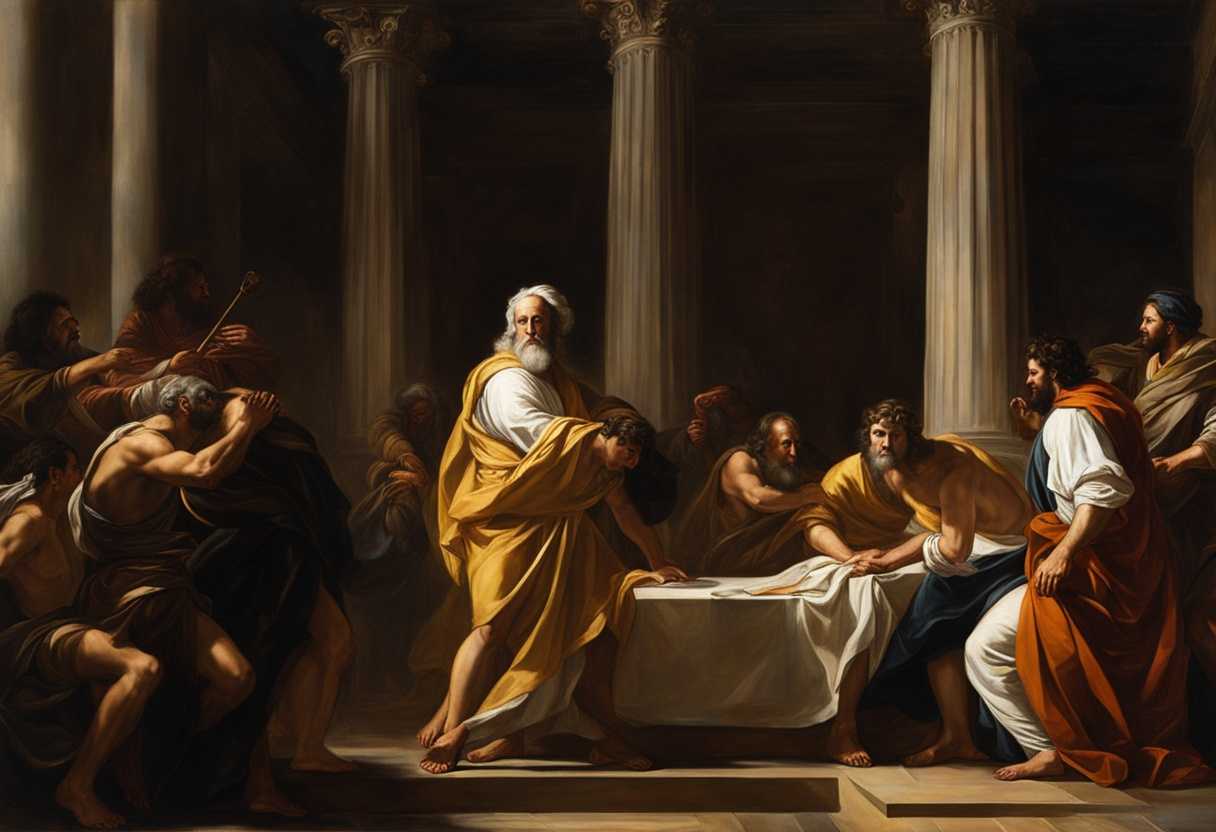
Setting the Scene for Exodus 5:1-2
The scene in Exodus 5:1-2 takes place in the land of Egypt during the time when Moses and Aaron were sent by God to deliver the Israelites from their slavery. Pharaoh, the ruler of Egypt, is seated on his throne in his grand palace, surrounded by his advisors and officials. Moses and Aaron, representing the Israelites, stand before Pharaoh to deliver God’s message demanding the release of the Israelite slaves.
Pharaoh, a proud and powerful ruler, is initially resistant to Moses and Aaron’s request. He questions their authority and refuses to let the Israelites go. The tension in the room is palpable as Moses and Aaron stand firm in their demand, knowing that they are speaking on behalf of the Almighty God. The opulence of Pharaoh’s palace contrasts sharply with the humble appearance of Moses and Aaron, setting the stage for the epic confrontation between the power of God and the pride of man.
As the conversation unfolds, the weight of the moment hangs heavy in the air, with the fate of an entire nation hanging in the balance. The clash of wills between Pharaoh and the messengers of God sets the stage for the dramatic events that will follow as the struggle for freedom and deliverance begins to unfold in the land of Egypt.
What is Exodus 5:1-2 about?
Pharaoh’s stubbornness and refusal to let the Israelites go reflect a recurring theme of resistance and defiance against God’s will in this verse. Despite witnessing divine signs and wonders, Pharaoh clings to his pride and control, ultimately setting the stage for a powerful demonstration of God’s might and the eventual deliverance of the Israelites. This pivotal moment serves as a test of faith and a reminder of the consequences of resisting God’s plan.
What do you think Pharaoh’s actions reveal about the human tendency to resist change and hold onto power? How does this narrative challenge us to reflect on our own stubbornness and willingness to submit to God’s will? We ponder the implications of Pharaoh’s defiance, prompting us to consider the role of faith and obedience in our own lives. We are reminded of the transformative power of surrendering to God and trusting in His plan for our lives, just as God ultimately intervened to bring about the liberation of the Israelites.
Understanding what Exodus 5:1-2 really means
The Book of Exodus unfolds a powerful narrative of the Israelites’ enslavement in Egypt and their eventual liberation. Exodus 5:1-2 marks a pivotal moment as Moses and Aaron confront Pharaoh, delivering God’s command to release the Israelites for a wilderness festival. The phrase “Thus says the Lord, the God of Israel” underscores the divine authority behind the message, emphasizing that it is God Himself speaking through Moses and Aaron. “Let my people go” resonates as a direct command from God, signifying liberation and freedom from oppression, highlighting God’s ownership and care for His people.
The purpose of the Israelites’ release, “that they may hold a feast to me in the wilderness,” underscores the significance of worship and obedience to God. This directive aligns with the broader theme of spiritual liberation found throughout the Bible. Just as the Israelites were enslaved in Egypt, people today can find themselves in bondage to sin, addiction, or other forms of oppression. God’s desire is for us to experience freedom to worship and serve Him fully.
The passage also serves as a reminder of God’s divine authority. When God speaks, it is not a mere suggestion but a directive carrying weight and purpose. The related biblical passages, such as Exodus 3:10 and Exodus 6:6-7, further emphasize God’s commitment to deliverance and redemption for His people. Even in the New Testament, John 8:36 echoes the theme of liberation and freedom, reinforcing the timeless message of God’s desire for His people to be truly free.
The ultimate goal of liberation, as highlighted in these verses, is not merely freedom for its own sake but to enable us to worship and live in alignment with God’s will. Just as accepting a new job that aligns with one’s passions and skills can bring freedom from a stifling situation and lead to a life of purpose and fulfillment, God’s call to liberation is about stepping into a life of worship and service to Him.
In conclusion, Exodus 5:1-2 reminds us of God’s power, authority, and desire for our freedom. It calls us to recognize His sovereignty and understand that true liberation comes with the responsibility to worship and serve Him. This message remains relevant and impactful today, offering hope and direction to anyone feeling trapped or oppressed in their circumstances. Just as God liberated the Israelites from Egypt, He offers liberation to all who turn to Him in faith and obedience.
Is our perception of God aligned with reality?
Pharaoh questioned Moses and Aaron about who the Lord was in Exodus 5:1-2 and made a statement that he did not know the Lord. This interaction highlights a crucial point – our perception of God may not always align with reality. Just like Pharaoh, there are times when we may not fully understand or acknowledge the true nature and power of God.
It is easy for us to form limited perceptions of God based on our own understanding and experiences. However, the reality of God surpasses our human comprehension. To align our perception of God with reality, we must be open to seeking Him earnestly, studying His Word, and allowing Him to reveal Himself to us. Through prayer, reflection, and a willingness to surrender our preconceived notions, we can come to know God more fully. We can align our perception with the reality of His divine nature by continually seeking a deeper understanding of who God truly is. This ongoing pursuit of God allows us to grow in faith, trust, and intimacy with Him, guiding us to a more accurate and profound understanding of His character and purpose in our lives.
Application
Dear friend, it’s time to embrace the divine calling placed upon our lives, just like navigating through the challenges of work and family. Let’s be unwavering in our faith and resolute in our actions, trusting in God’s guidance. Instead of shying away, let’s stand tall in our purpose and march forward with unwavering determination. Will you join me in answering the call to serve the Lord with all our hearts and souls?

Reverend Michael Johnson is an experienced Church Minister with a profound expertise in spirituality and guidance. With a serene presence and a compassionate heart, he has faithfully served his congregation for over 20 years, leading them on a spiritual journey towards inner peace and enlightenment. Reverend Johnson’s extensive knowledge of religious philosophies and profound understanding of human nature have made him a trusted confidant and mentor to many, as he seamlessly weaves his profound wisdom into life teachings. Reverend Johnson’s calming demeanor and empathetic nature continue to uplift and heal souls, nurturing a sense of unity and tranquility within his community.