
12 But Moses said to the Lord, “Behold, the people of Israel have not listened to me. How then shall Pharaoh listen to me, for I am of uncircumcised lips?”
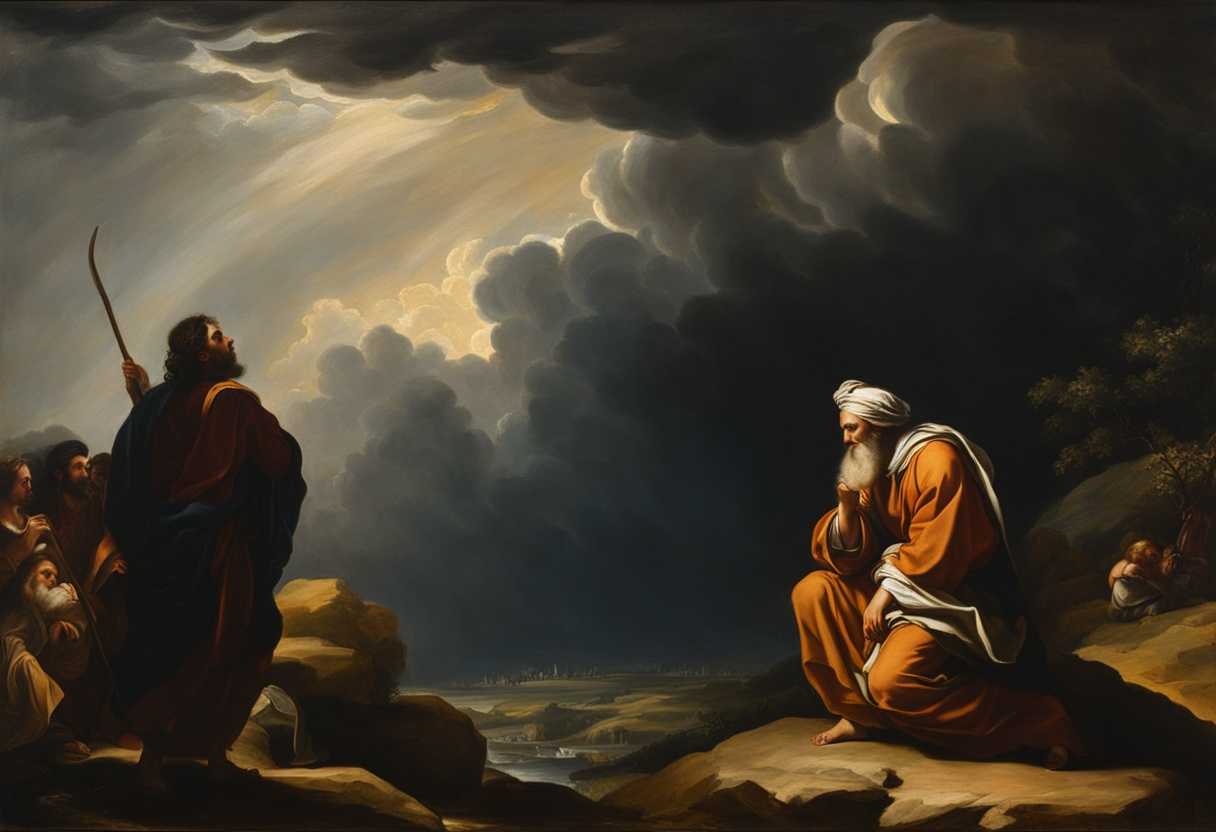
Setting the Scene for Exodus 6:12
In Exodus chapter 6, Moses and Aaron find themselves in a tense and pivotal moment in the story of the Israelites’ exodus from Egypt. The scene unfolds in the humble surroundings of a makeshift tent in the wilderness, where Moses and Aaron have gathered with the elders of the Israelite community. The air is thick with anticipation as the group discusses the daunting task ahead of them – confronting Pharaoh and demanding the release of their people from slavery.
Moses, a reluctant leader chosen by God, stands tall and resolute, his face etched with determination as he addresses the elders. Aaron, his brother and spokesperson, stands by his side, offering support and encouragement. The elders, a mix of seasoned leaders and respected members of the community, listen intently as Moses shares the words of reassurance and promise that God has spoken to him. Despite their weariness and doubt, a glimmer of hope begins to flicker in their eyes as they dare to believe in the possibility of freedom and deliverance.
As the weight of their mission settles upon them, Moses, Aaron, and the elders draw strength from each other and from their faith in the God who has promised to be with them every step of the way. In this pivotal moment, the stage is set for a journey of faith, courage, and redemption that will shape the destiny of the Israelite nation for generations to come.
What is Exodus 6:12 about?
This verse reflects a common human experience of doubt in one’s own abilities. When Moses expressed his doubts about his speaking abilities to God, he was hesitant to fulfill the task God had assigned him. However, God reassured Moses that he was not alone and that God’s power would support and guide him through his journey. This verse emphasizes the importance of trusting in God’s strength and guidance, even when we may feel inadequate or doubtful in our own abilities.
Think about a time when you felt unsure of your skills or abilities. How did you overcome that doubt? We can learn to lean on our faith and trust in a higher power to help us navigate through our own doubts and insecurities by reflecting on Moses’ moment of uncertainty. Just like how God assured Moses of his support, we too can find strength and confidence in knowing that we are never truly alone in our journeys. Trust in the belief that there is always a guiding hand to help us overcome obstacles and achieve our goals, even when we doubt ourselves.
Understanding what Exodus 6:12 really means
Let’s certainly delve deeply into Exodus 6:12. The structure for the commentary will follow this outline: Introduction, Contextual Background, Detailed Phrase Analysis, Cross-Referencing, Modern Relevance, Anecdote, and Concluding Thoughts.
Introduction
Exodus 6:12 finds Moses speaking to God, expressing his doubt about being able to lead the Israelites out of Egypt. This verse articulates Moses’s feelings of inadequacy and the immense burden he feels. We will uncover profound lessons about doubt, faith, and divine purpose as we examine this scripture.
Contextual Background
To fully appreciate this verse, we must first understand its context. Moses had already appeared before Pharaoh and relayed God’s command to let the Israelites go, which Pharaoh refused, subsequently making their lives even harder. Feeling responsible for their suffering, Moses questions his own capability and worthiness as a leader. God, however, reassures and reaffirms His plans.
Detailed Phrase Analysis
Key phrases such as “children of Israel” and “my own people” highlight the collective suffering and subsequent transformation of a nation. Moses’s despair is palpable when he says, “If the Israelites will not listen to me, why would Pharaoh listen to me?” It captures his fear and helplessness, revealing a deep human vulnerability in the face of divine mission.
Cross-Referencing
Proverbs 3:5-6 is relevant here, as it admonishes believers to “trust in the LORD with all your heart and lean not on your own understanding.” This cross-reference underlines the importance of obeying divine direction even when the outcome seems uncertain. Another important reference is Joshua 1:9, where God commands Joshua to be strong and courageous. These verses collectively emphasize divine reassurance in the face of human doubt. Many of us in today’s world grapple with self-doubt and feel overwhelmed by our responsibilities, much like Moses. Whether it’s concerns about career progression, familial duties, or community leadership, the emotional journey Moses went through is something we can all relate to. His story encourages us to trust in God’s plan for our lives, even when we feel inadequate. Sarah, a young teacher, felt overwhelmed by her responsibilities. Like Moses, she doubted her abilities, especially when dealing with challenging students. However, she remembered this story and chose to trust in her purpose. She persevered, finding innovative ways to engage her students, and eventually saw remarkable improvements in their performance and behavior. Her initial struggle mirrored Moses’s feelings, but her outcome demonstrated the power of faith and perseverance.
Concluding Thoughts
Exodus 6:12 serves as a poignant reminder that self-doubt is a natural human experience, but it should never deter us from our divine assignments. Moses’s journey reassures us that God doesn’t choose the qualified; He qualifies the chosen. Trusting in God and moving forward despite our doubts opens us to profound personal and communal transformation.
Reflect on this: Are there areas in your life where doubt is hindering your progress? How might Moses’s story inspire you to move beyond those doubts? Consider these questions as you navigate through your own journeys of faith and purpose.
What is hindering me from fully trusting God?
It seems that what is hindering you from fully trusting God is a lack of faith in His ability to fulfill His promises. The Israelites were still not able to trust God wholeheartedly, even though He had promised deliverance to them in the mentioned verse. This lack of trust could be stemming from a focus on their current circumstances or past experiences rather than on the power and faithfulness of God.
Your hesitancy to fully trust God may also be due to a fear of the unknown or a desire to have control over the outcome of situations. Surrendering control and fully trusting God can be challenging, especially when we are faced with uncertainty. However, the verse serves as a reminder that God is faithful and capable of fulfilling His promises, even when circumstances seem bleak. You can experience the peace and reassurance that comes from trusting in God’s plan for your life by placing your trust in Him and letting go of your worries and fears.
Application
Think of Exodus 6:12 as your ultimate work project from God. Trust that He will provide all tools and guidance you need. Don’t let fear and doubt be the office distractions that hold you back. Step up with the bravery of a parent protecting their child. Will you take that leap of faith and follow His purpose with all your might?

Reverend Michael Johnson is an experienced Church Minister with a profound expertise in spirituality and guidance. With a serene presence and a compassionate heart, he has faithfully served his congregation for over 20 years, leading them on a spiritual journey towards inner peace and enlightenment. Reverend Johnson’s extensive knowledge of religious philosophies and profound understanding of human nature have made him a trusted confidant and mentor to many, as he seamlessly weaves his profound wisdom into life teachings. Reverend Johnson’s calming demeanor and empathetic nature continue to uplift and heal souls, nurturing a sense of unity and tranquility within his community.