
20 Amram took as his wife Jochebed his father’s sister, and she bore him Aaron and Moses, the years of the life of Amram being 137 years.
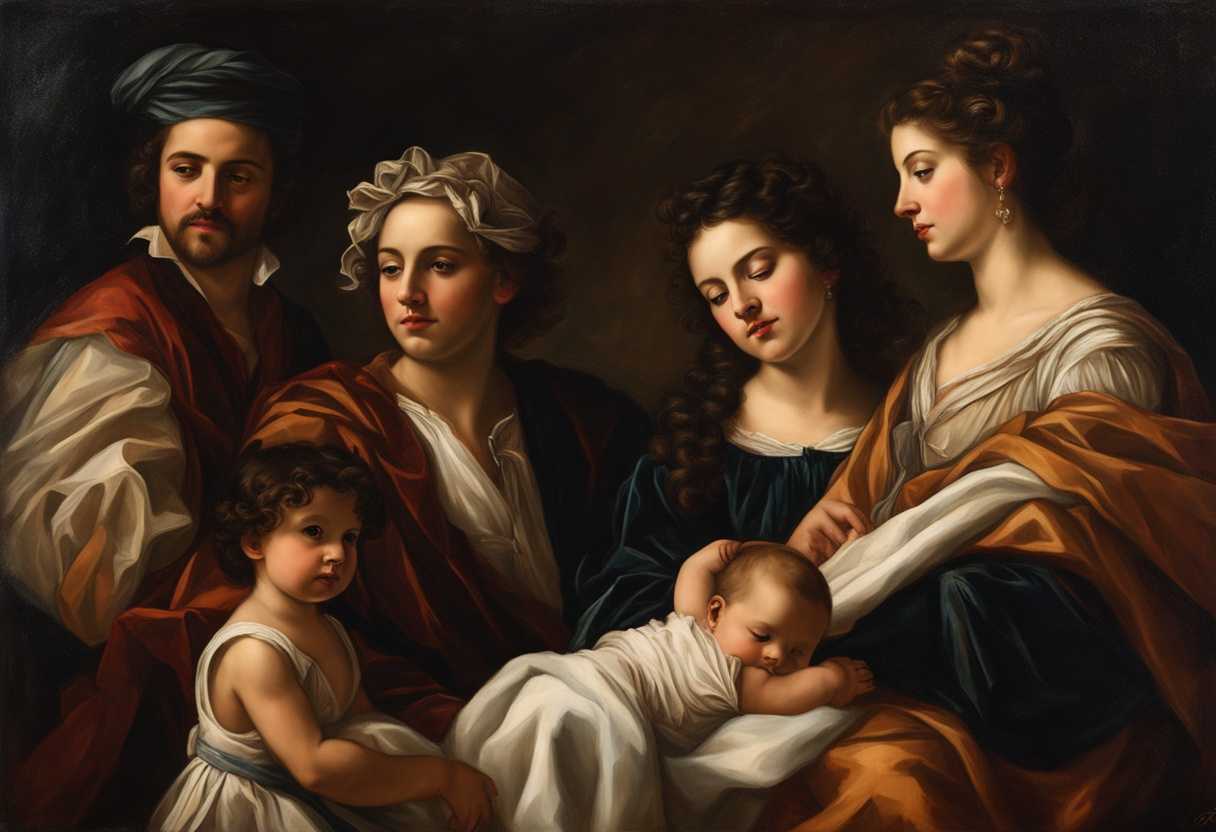
Setting the Scene for Exodus 6:20
In Exodus chapter 6, we find Moses and Aaron standing before the Israelites in the land of Egypt. The scene is set in a dusty, crowded courtyard where the Israelites have gathered to hear a message from their leaders. The air is thick with anticipation and uncertainty as the people await news of their impending liberation from slavery.
Moses, a humble yet determined man chosen by God to lead his people out of Egypt, stands tall next to his brother Aaron, who serves as his spokesperson. The brothers have come before the Israelites to deliver a message of hope and promise, despite the hardships they have endured under Pharaoh’s rule.
Surrounded by a sea of faces reflecting a mix of weariness and hope, Moses and Aaron speak with conviction, reminding the Israelites of God’s covenant and his promise to deliver them to the land of Canaan. The weight of their words hangs heavy in the air, stirring a sense of unity and resolve among the people as they prepare for the trials and triumphs that lie ahead on their journey to freedom.
What is Exodus 6:20 about?
The family lineage of Aaron in Exodus 6:20 introduces his marriage to Elisheba, the daughter of Amminadab and sister of Nahshon. This verse serves as a window into the personal life of Aaron, a significant figure in the Bible and the brother of Moses. The verse humanizes Aaron by mentioning his marriage and his wife’s family background, showing that even great leaders have personal relationships and family ties.
This verse also underscores the importance of familial connections and lineage in biblical narratives. It demonstrates that Aaron comes from a respectable and notable family, as both Amminadab and Nahshon are mentioned as significant figures in Israelite history. The verse emphasizes the interconnectedness of individuals within a community and the significance of one’s family background in shaping their identity and role in society by sharing these details.
Reflecting on Exodus 6:20, we can contemplate the multifaceted nature of biblical characters and the importance of understanding their personal relationships and backgrounds. This verse invites us to consider the complexities of human experiences and relationships, reminding us that even esteemed leaders like Aaron have personal stories and connections that contribute to their character and influence. Delving into the intricate details of biblical figures, we gain a deeper appreciation for the richness of their stories and the intricate tapestry of relationships that shape their lives.
Understanding what Exodus 6:20 really means
Commentary Structure:
- Introduction and Verse Context
- Key Phrases and Their Meanings
- Related Biblical Passages for Deeper Understanding
- Relevance Today
- Anecdote and Practical Application
- Conclusion and Reflection
Introduction and Verse Context
Exodus 6:20 reads: “Amram married his father’s sister Jochebed, who bore him Aaron and Moses. Amram lived 137 years.” This seemingly straightforward genealogy offers rich layers of insight when unpacked thoughtfully. It is situated within a list of Levi’s descendants, grounding the story of Moses in a historical and familial context.
Key Phrases and Their Meanings
The phrase “Amram married his father’s sister Jochebed” underlines the complexity of family relationships in the Bible. Marriages between close relatives were more common in ancient times, reflecting different social norms and legal constructs. It’s significant because this union gave birth to Aaron and Moses—key figures in leading the Israelites out of Egyptian bondage.
The span of “Amram lived 137 years” connects to the idea of longevity and God’s timing in nurturing leaders over extended periods. It echoes other biblical accounts showing how God prepares and accomplishes His purposes through generations.
Related Biblical Passages for Deeper Understanding
Numbers 26:59 corroborates this information, stating, “The name of Amram’s wife was Jochebed, a descendant of Levi, who was born to the Levites in Egypt. To Amram she bore Aaron, Moses, and their sister Miriam.” This reinforces the connection between heritage and divine mission. Moses’ parents hid him for three months after he was born because they saw he was no ordinary child, as highlighted in Hebrews 11:23.” Here, Amram and Jochebed’s faith underlines the profound legacy passed onto their children, emphasizing the importance of faithful parenting.
Relevance Today
Why should a modern reader care about these details? They remind us that God works through families and generations. It challenges us to consider our own family legacies and how we contribute to them. We’re called to support future leaders in whom God has placed specific callings, just as Amram and Jochebed did.
Anecdote and Practical Application
I recall a parishioner named Jane who, like Jochebed, felt her family’s modest beginnings disqualified them from impacting God’s kingdom. Yet, through committed prayer and encouragement, her son discovered his calling to pastoral ministry, impacting countless lives. Our heritage and current family situation are not barriers but potential vessels for God’s work.
Conclusion and Reflection
Reflecting on this verse, we should ask: How are we contributing to the spiritual growth and development of our families? Do we recognize the potential leaders among us? God works through ordinary family structures to accomplish extraordinary purposes. This awareness can inspire us to nurture and invest in our own families with renewed intention.
How can we trust God’s timing in our lives?
We can trust God’s timing in our lives by recognizing that He is in control of all things. When we acknowledge that God has a perfect plan for each of us, we can have faith that His timing is always right. Just like how He orchestrated events in the Bible to fulfill His purposes, we can be assured that He is working behind the scenes in our lives as well.
It is important to remember that God’s timing may not align with our own plans or preferences, but His ways are higher than our ways. We can trust that His timing is always perfect, even when we may not understand it at the moment. We can live in peace knowing that His timing is ultimately for our good and for His glory by surrendering our desires and expectations to Him.
Application
Think of Exodus 6:20 as a call to honor our roots and the legacy we inherit. Just like you build a career or nurture a family, focus on maintaining the spiritual foundation handed down to you. Now is your chance to ensure that faith and righteousness continue to flourish for future generations. Will you step up to carry forward the sacred beliefs that were entrusted to you?

Reverend Michael Johnson is an experienced Church Minister with a profound expertise in spirituality and guidance. With a serene presence and a compassionate heart, he has faithfully served his congregation for over 20 years, leading them on a spiritual journey towards inner peace and enlightenment. Reverend Johnson’s extensive knowledge of religious philosophies and profound understanding of human nature have made him a trusted confidant and mentor to many, as he seamlessly weaves his profound wisdom into life teachings. Reverend Johnson’s calming demeanor and empathetic nature continue to uplift and heal souls, nurturing a sense of unity and tranquility within his community.