
Exodus 7:17 is about God demonstrating His power and authority through the miraculous transformation of the Nile River into blood, symbolizing His ability to bring judgment and punishment upon those who resist His will.
17 Thus says the Lord, “By this you shall know that I am the Lord: behold, with the staff that is in my hand I will strike the water that is in the Nile, and it shall turn into blood.
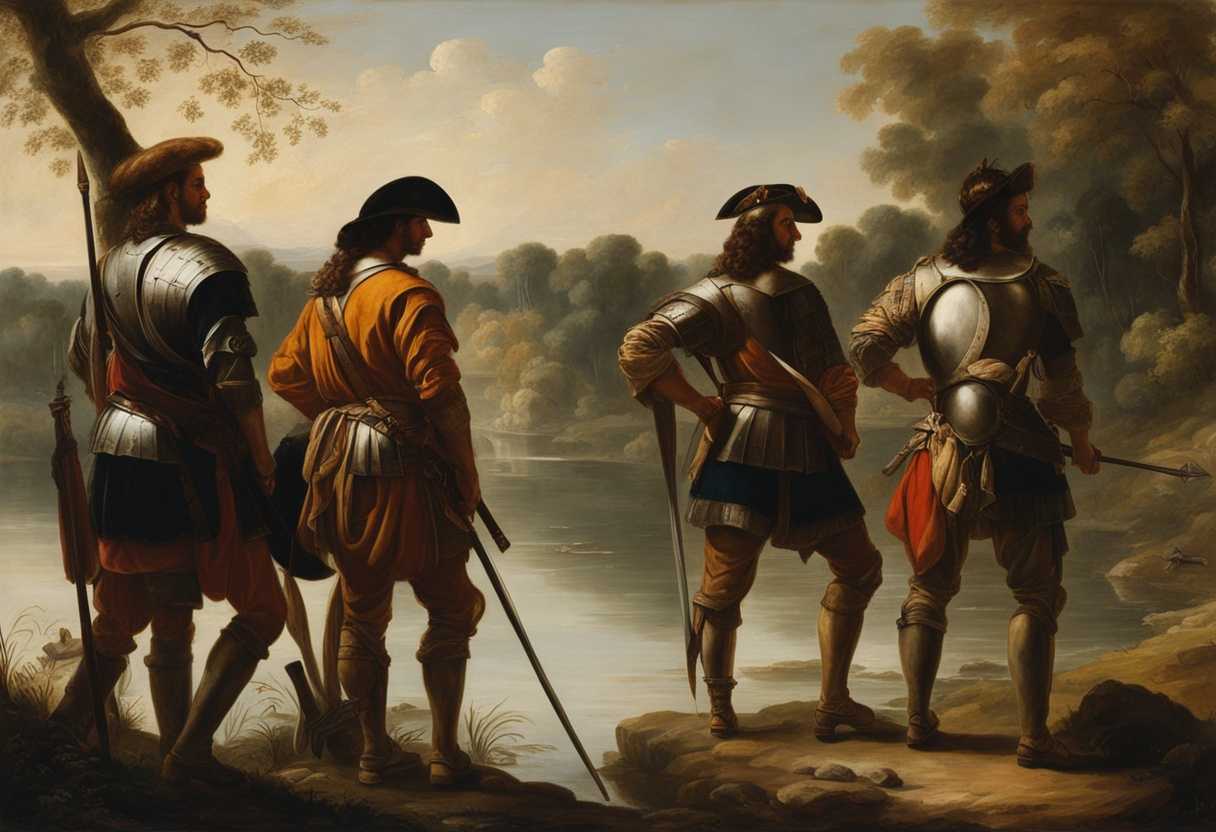
Setting the Scene for Exodus 7:17
In Exodus chapter 7, we find Moses and his brother Aaron standing before Pharaoh in the grand throne room of the Egyptian palace. The room is adorned with intricate hieroglyphics and golden decorations, reflecting the wealth and power of the Pharaoh. Pharaoh, seated on a majestic throne, is surrounded by his advisors and court officials, all dressed in opulent garments.
Moses and Aaron, representing the God of the Israelites, have come to demand the release of the Israelite slaves. The tension in the room is palpable as Moses, with his staff in hand, warns Pharaoh of the impending plague of blood that will strike the Nile River if he does not comply. Pharaoh, proud and defiant, refuses to heed their warning, challenging the power of the God of Israel.
As the scene unfolds, the air is thick with anticipation and the clash of divine forces is imminent. The stage is set for a showdown between the earthly power of Pharaoh and the supernatural might of the God of the Israelites.
What is Exodus 7:17 about?
God’s authority and control over nature are powerfully displayed in Exodus 7:17. God is sending a clear message to Pharaoh and the people of Egypt by turning the Nile River into blood that He is the one true God, capable of unimaginable feats. It serves as a warning and a demonstration of God’s power to bring about change and enforce His will.
Have you ever experienced a moment where you felt the overwhelming presence of a higher power or force greater than yourself? Imagine witnessing the Nile River, a source of life and sustenance for the Egyptians, transformed into a symbol of punishment and divine intervention. It is a reminder of the consequences of ignoring God’s commands and a testament to His sovereignty over all creation. Let this verse serve as a reminder of the awe-inspiring power and authority of our Creator.
Understanding what Exodus 7:17 really means
Introduction
In the narrative of Exodus, God instructs Moses to confront Pharaoh and demand the release of the Israelites from slavery in Egypt. Exodus 7:17 marks the beginning of the plagues sent upon Egypt to showcase God’s power and compel Pharaoh to let His people go.
Key Phrases and Their Meanings
The phrase “By this you will know that I am the Lord” emphasizes God’s intention to reveal His sovereignty and power not only to Pharaoh but to all witnesses of these events. “With the staff that is in my hand I will strike the water of the Nile, and it will be changed into blood” signifies a miraculous act defying natural laws, showcasing God’s control over creation and His ability to bring about judgment.
Related Biblical Passages
Psalm 105:29 recounts the plagues, reminding us of God’s mighty acts in history. Revelation 16:4 echoes the plagues of Egypt, symbolizing God’s judgment in the end times. John 2:9, the miracle at Cana, contrasts with the plague, showing Jesus’ power to transform and bring joy rather than judgment.
Relevance to People Today
Understanding God’s Sovereignty reveals His control in our lives, bringing comfort and assurance in difficult circumstances. Pharaoh’s hard-heartedness warns against resisting God’s will, urging obedience and responsiveness to His guidance. The transformation of water into blood reminds us of God’s ability to intervene miraculously, strengthening our faith in His works.
Anecdote for Illustration
Imagine a community facing a severe drought, desperate and losing hope. A local pastor calls for prayer and fasting, seeking God’s intervention. The next day, rain pours, filling rivers and reservoirs. This modern-day miracle reminds the community of God’s power and provision, akin to the transformation of the Nile’s waters in Exodus.
Conclusion
Exodus 7:17 showcases God’s intervention in human history, demonstrating His sovereignty. It calls us to recognize His power, obey His will, and have faith in His miraculous works. This verse remains relevant, encouraging trust in God’s control and His plans for our lives.
How can we demonstrate trust in God’s power?
One way we can demonstrate trust in God’s power is by surrendering our own plans and desires to Him. When we fully trust in God’s power, we acknowledge that His ways are higher than ours, and we submit to His will without hesitation. This act of surrender shows that we have faith in God’s ability to work all things for our good, even when we may not fully understand His plans.
Additionally, we can demonstrate trust in God’s power by relying on Him in times of uncertainty or difficulty. When we face challenges or obstacles that seem insurmountable, we can choose to turn to God in prayer and seek His guidance and intervention. We show that we believe in His power to work miracles in our lives by placing our trust in Him to provide for our needs and overcome any obstacles in our path.
Trusting in God’s power also involves letting go of fear and worry, knowing that He is in control of all things. Instead of being consumed by anxiety over the unknown or uncertain future, we can choose to rest in the assurance that God is sovereign and has a perfect plan for each of us. We demonstrate our belief that He is capable of accomplishing far more than we could ever imagine on our own by actively choosing to trust in God’s power.
Application
Believers, embrace the wisdom of Exodus 7:17 and have faith in God’s ability to overcome your trials. Like water turned to blood, let His authority flow through your struggles. Contemplate this lesson, recognizing God’s immense power. Will you lean on His strength and wisdom when faced with adversity?

Reverend Michael Johnson is an experienced Church Minister with a profound expertise in spirituality and guidance. With a serene presence and a compassionate heart, he has faithfully served his congregation for over 20 years, leading them on a spiritual journey towards inner peace and enlightenment. Reverend Johnson’s extensive knowledge of religious philosophies and profound understanding of human nature have made him a trusted confidant and mentor to many, as he seamlessly weaves his profound wisdom into life teachings. Reverend Johnson’s calming demeanor and empathetic nature continue to uplift and heal souls, nurturing a sense of unity and tranquility within his community.