
19 And the Lord said to Moses, “Say to Aaron, ‘Take your staff and stretch out your hand over the waters of Egypt, over their rivers, their canals, and their ponds, and all their pools of water, so that they may become blood, and there shall be blood throughout all the land of Egypt, even in vessels of wood and in vessels of stone.’”
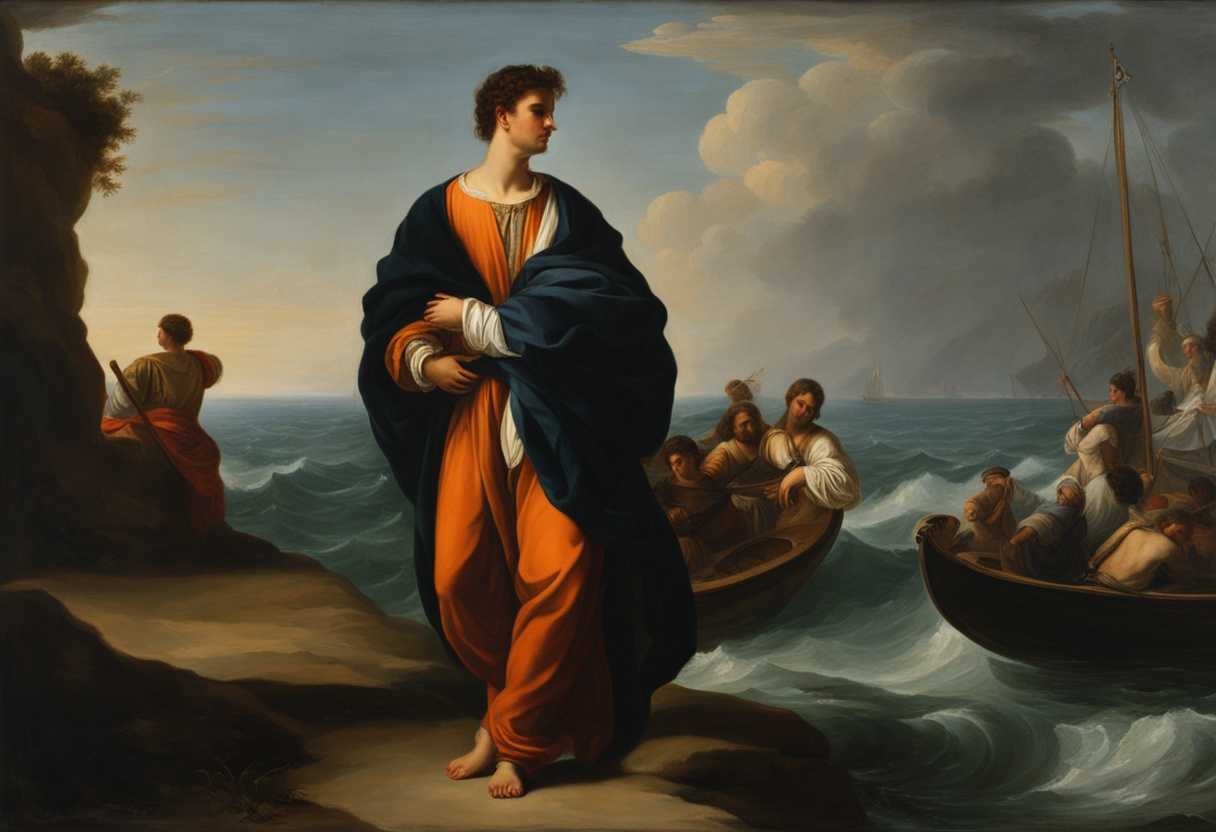
Setting the Scene for Exodus 7:19
The scene in Exodus 7:19 takes place in ancient Egypt during the time when Moses and Aaron were sent by God to confront Pharaoh and demand the release of the Israelites from slavery. The setting is the royal court of Pharaoh, a grand and opulent chamber adorned with intricate hieroglyphics and golden decorations. Pharaoh, the powerful ruler of Egypt, sits on his throne, surrounded by his advisors and court officials.
Moses and Aaron stand before Pharaoh, their faces determined and their staffs in hand, ready to perform the miraculous sign that God had instructed them to do. The atmosphere is tense as Moses raises his staff and strikes the Nile River, turning its waters into blood. The once life-giving river now flows red, a powerful symbol of God’s judgment and power over the gods of Egypt.
Pharaoh and his courtiers look on in shock and disbelief, realizing that they are witnessing a display of divine authority that they cannot ignore. This dramatic scene sets the stage for the ensuing confrontations between Moses and Pharaoh, as the struggle between God’s will and Pharaoh’s stubbornness unfolds in the heart of Egypt.
What is Exodus 7:19 about?
A powerful display of God’s authority and judgment is seen in Exodus 7:19. God demonstrates his control over nature and sends a clear message to Pharaoh and the Egyptians by turning the water of the Nile River into blood. This miraculous act serves as a warning of the consequences of ignoring God’s commands and oppressing his people. Through this dramatic display, God shows that he is the ultimate authority, even over the source of life itself.
Imagine witnessing such a supernatural event – the water you rely on for sustenance and livelihood suddenly turning into a symbol of death and destruction. God’s actions in this verse were not just about the physical transformation of the river but also about revealing his power and issuing a challenge to Pharaoh’s authority. We can ponder the implications of defying God’s will and the importance of recognizing his ultimate sovereignty over all aspects of creation as we reflect on this verse.
Understanding what Exodus 7:19 really means
Structure for Commentary
- Opening Context and Introduction to the Verse
- Breakdown of Key Phrases and Their Meanings
- Cross-references to Other Bible Passages
- Relevance of the Verse to Contemporary Life
- Practical Application and Personal Connection
- Invitation for Reflection and Engagement
Commentary
Opening Context and Introduction to the Verse
The verse at hand is situated within a pivotal moment in the Book of Exodus, where God instructs Moses and Aaron to initiate the first of ten plagues upon Egypt. This initial plague involves turning the waters of Egypt into blood, a miraculous act designed to demonstrate God’s power and compel Pharaoh to release the Israelites from bondage. Understanding the overarching narrative of Exodus is crucial to grasp the significance of this verse: it is not merely an act of wrath but a crucial step in a divine plan for liberation. Specific phrases in this verse stand out that warrant closer examination. The directive “Stretch out your hand” signifies action and obedience. Moses and Aaron are not merely passive recipients of divine instruction; they actively participate in God’s work. The phrase “over the waters of Egypt” highlights the comprehensive nature of God’s intervention, affecting rivers, canals, and even still water in vessels. This comprehensive scope underscores the totality of God’s control and the seriousness of His demands. Finally, “they will become blood” illustrates a vivid, supernatural transformation meant to capture attention and provoke reflection.
Cross-references to Other Bible Passages
This miraculous act aligns with other biblical passages where God’s power over natural elements serves as a sign to His people. For instance, in the Gospel of John, Jesus turns water into wine at the wedding in Cana (John 2:1-11). While different in context and purpose, both miracles involve a transformation that signifies divine authority. Another parallel can be drawn with the parting of the Red Sea (Exodus 14), where water again symbolizes both peril and divine deliverance. These interconnected stories reveal a consistent theme of God’s sovereignty and His ability to use natural elements to fulfill His promises.
Relevance of the Verse to Contemporary Life
How does a story of ancient plagues relate to us in today’s world? At its core, this verse emphasizes the idea of transformation and divine intervention in times of crisis. We often face situations in contemporary life that feel insurmountable, requiring only a profound change to provide relief. Much like the Israelites in Egypt, we might experience states of bondage—whether mental, emotional, or spiritual. This verse serves as a reminder that divine power is ever-present and can bring about miraculous change when we least expect it. Someone struggling with a severe addiction can be considered in a modern anecdote. They might feel as though they are drowning in a river of challenges, much like the Egyptians witnessing their waters turn to blood. A transformative intervention in moments of vulnerability and desperation can lead to a path of recovery and freedom through faith, community support, or a significant personal revelation. This intervention, like the turning of water into blood, may be stark and life-altering but ultimately drives home the point that transformation is possible through divine help.
Invitation for Reflection and Engagement
What are the “waters” in your life that seem stagnant or overwhelming? Are there areas where you feel the need for divine intervention and transformation? As you ponder these questions, remember that God’s actions in Exodus were not solely about demonstrating power but about initiating a journey towards freedom and fulfilling His promises. Reflect on how this understanding applies to your personal experiences and challenges. What steps can you take, much like Moses and Aaron, to actively participate in your own transformation guided by faith? This passage holds timeless lessons about divine power, obedience, and the possibility of profound change. We glean insights that are highly relevant to our lives today by examining its deeper meanings and connecting it with other biblical narratives. Let us allow the wisdom of scripture to transform our hearts and minds as we seek, reflect, and engage with it.
How can we cultivate patience during difficult seasons?
During challenging times, we can cultivate patience by trusting in the Lord’s plan and timing. We can find comfort in knowing that God is in control of all situations by focusing on our faith and reminding ourselves of His sovereignty. Practicing gratitude and staying connected to our spiritual foundations can help shift our perspective and keep us grounded during difficult seasons.
Additionally, staying mindful and present in the moment can help us avoid getting caught up in feelings of frustration or impatience. We can gain a better understanding of how our current struggles fit into the grand scheme of things by taking a step back and reflecting on the bigger picture. Embracing a mindset of endurance and perseverance can ultimately lead to a sense of peace and inner strength that sustains us through challenging times.
Application
Think about how you juggle work deadlines and family commitments every day. Just like managing these tasks, put your faith and trust in God’s unmatched power. God’s got a blueprint bigger than any corporate plan. Step up with humility and embrace His guidance. How will you make time to align your actions with God’s plans today?

Reverend Michael Johnson is an experienced Church Minister with a profound expertise in spirituality and guidance. With a serene presence and a compassionate heart, he has faithfully served his congregation for over 20 years, leading them on a spiritual journey towards inner peace and enlightenment. Reverend Johnson’s extensive knowledge of religious philosophies and profound understanding of human nature have made him a trusted confidant and mentor to many, as he seamlessly weaves his profound wisdom into life teachings. Reverend Johnson’s calming demeanor and empathetic nature continue to uplift and heal souls, nurturing a sense of unity and tranquility within his community.