
1 Then the Lord said to Moses, “Go in to Pharaoh and say to him, ‘Thus says the Lord, the God of the Hebrews, “Let my people go, that they may serve me.
2 For if you refuse to let them go and still hold them,
3 behold, the hand of the Lord will fall with a very severe plague upon your livestock that are in the field, the horses, the donkeys, the camels, the herds, and the flocks.
4 But the Lord will make a distinction between the livestock of Israel and the livestock of Egypt, so that nothing of all that belongs to the people of Israel shall die.”
5 And the Lord set a time, saying, “Tomorrow the Lord will do this thing in the land.”
6 And the next day the Lord did this thing. All the livestock of the Egyptians died, but not one of the livestock of the people of Israel died.
7 Then Pharaoh sent, and behold, not one of the livestock of Israel was dead. But the heart of Pharaoh was hardened, and he did not let the people go.
8 Then the Lord said to Moses and Aaron, “Take handfuls of soot from the kiln, and let Moses throw them in the air in the sight of Pharaoh.
9 It shall become fine dust over all the land of Egypt, and become boils breaking out in sores on man and beast throughout all the land of Egypt.”
10 So they took soot from the kiln and stood before Pharaoh. And Moses threw it in the air, and it became boils breaking out in sores on man and beast.
11 The magicians could not stand before Moses because of the boils, for the boils came upon the magicians and upon all the Egyptians.
12 But the Lord hardened the heart of Pharaoh, and he did not listen to them, as the Lord had spoken to Moses.
13 Then the Lord said to Moses, “Rise up early in the morning and present yourself before Pharaoh and say to him, ‘Thus says the Lord, the God of the Hebrews, “Let my people go, that they may serve me.”
14 For this time I will send all my plagues on you yourself, and on your servants and your people, so that you may know that there is none like me in all the earth.
15 For by now I could have put out my hand and struck you and your people with pestilence, and you would have been cut off from the earth.
16 But for this purpose I have raised you up, to show you my power, so that my name may be proclaimed in all the earth.
17 You are still exalting yourself against my people and will not let them go.
18 Behold, about this time tomorrow I will cause very heavy hail to fall, such as never has been in Egypt from the day it was founded until now.
19 Now therefore send, get your livestock and all that you have in the field into safe shelter, for every man and beast that is in the field and is not brought home will die when the hail falls on them.”
20 Then whoever feared the word of the Lord among the servants of Pharaoh hurried his slaves and his livestock into the houses,
21 Then the Lord said to Moses, “Stretch out your hand toward heaven, so that there may be hail in all the land of Egypt, on man and beast and every plant of the field, in the land of Egypt.”
22 Then the Lord said to Moses, “Stretch out your hand toward heaven, so that there may be hail in all the land of Egypt, on man and beast and every plant of the field, in the land of Egypt.”
23 Then Moses stretched out his staff toward heaven, and the Lord sent thunder and hail, and fire ran down to the earth. And the Lord rained hail upon the land of Egypt.
24 So there was hail, and fire flashing continually in the midst of the hail, very heavy hail, such as had never been in all the land of Egypt since it became a nation.
25 And the hail struck down everything that was in the field in all the land of Egypt, both man and beast. And the hail struck down every plant of the field and broke every tree of the field.
26 Only in the land of Goshen, where the people of Israel were, was there no hail.
27 Then Pharaoh sent and called Moses and Aaron and said to them, “This time I have sinned; the Lord is in the right, and I and my people are in the wrong.
28 Plead with the Lord, for there has been enough of God’s thunder and hail. I will let you go, and you shall stay no longer.”
29 Moses said to him, “As soon as I have gone out of the city, I will stretch out my hands to the Lord. The thunder will cease, and there will be no more hail, so that you may know that the earth is the Lord’s.
30 But as for you and your servants, I know that you do not yet fear the Lord God.”
31 Now the flax and the barley were struck down, for the barley was in the ear and the flax was in bud.
32 The wheat and the emmer were not smitten, for they are late in coming up.
33 So Moses went out of the city from Pharaoh and stretched out his hands to the Lord, and the thunder and the hail ceased, and the rain no longer poured upon the earth.
34 But when Pharaoh saw that the rain and the hail and the thunder had ceased, he sinned yet again and hardened his heart, he and his servants.
35 So the heart of Pharaoh was hardened, and he did not let the people of Israel go, just as the Lord had spoken through Moses.
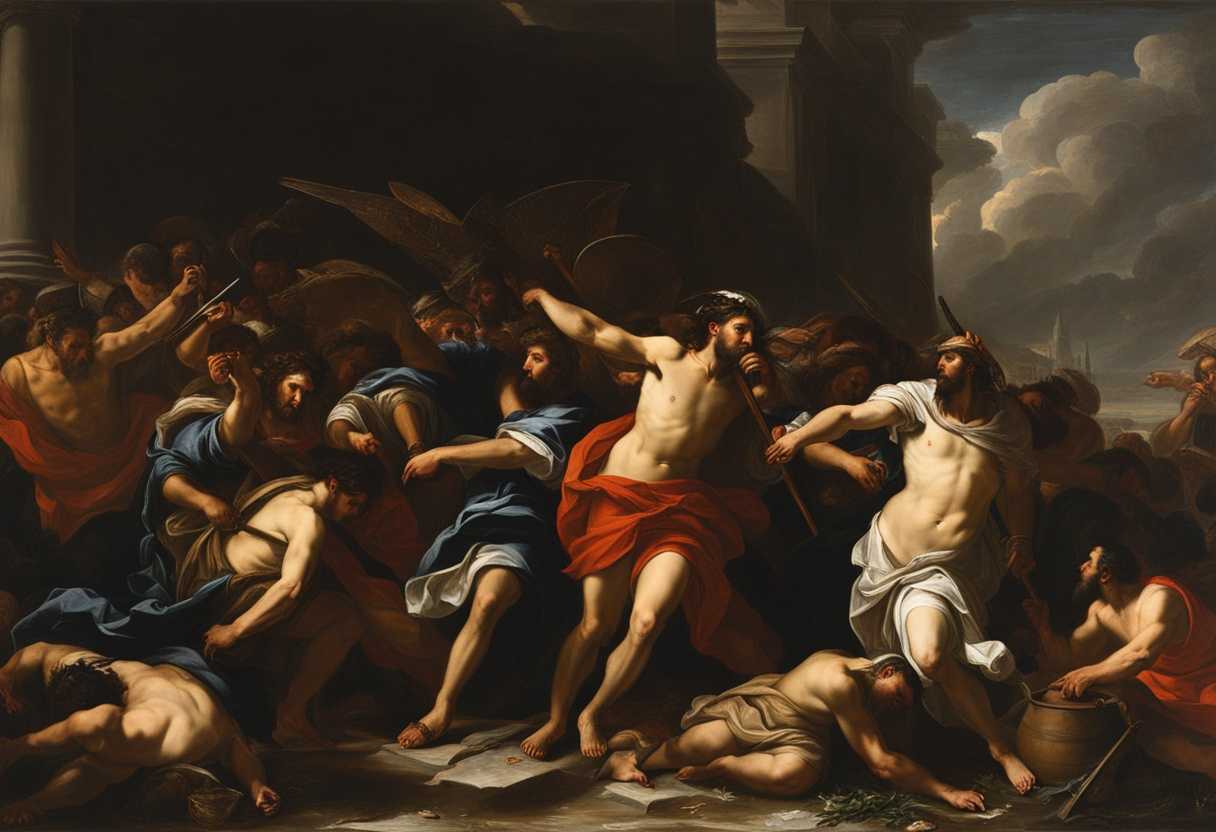
The True Meaning of Exodus 9
The Book of Exodus is the second book of the Bible, traditionally attributed to Moses. Moses, as a former prince of Egypt, had a unique perspective on the events he recorded. The Lord continues to demonstrate His power through a series of plagues as we witness the escalating conflict between Moses and Pharaoh in this chapter.
The chapter opens with the Lord instructing Moses to confront Pharaoh once more, warning him of the devastating plague of hail that is to come. This plague will not only devastate the land, but also serve as a stark reminder of God’s sovereignty, as foretold in Exodus 8:22, “But on that day I will set apart the land of Goshen, where my people dwell, so that no swarms of flies shall be there, that you may know that I am the Lord in the midst of the earth. Pharaoh’s heart hardens further as the chapter progresses, despite the mounting evidence of God’s power. This echoes the warning in Proverbs 29:1, “He who is often reproved, yet stiffens his neck, will suddenly be broken beyond healing.” The plague of hail strikes, and the Lord’s judgment is made manifest, leading to a dramatic confrontation between Moses and Pharaoh.
Exodus 9:1-7
The Lord commands Moses to confront Pharaoh once again in Exodus 9:1-7, warning him of the devastating consequences if he continues to defy God’s will. The Lord instructs Moses to deliver a message to Pharaoh declaring that if he refuses to let the Israelites go, a severe plague of livestock would strike the Egyptians. This plague would specifically target the livestock in the fields, including horses, donkeys, camels, cattle, and sheep. It is important to note that livestock held significant economic and agricultural importance in ancient societies, making this plague a significant blow to the Egyptian economy and daily life.
This section of the biblical text highlights the power dynamics at play between Moses as the messenger of God and Pharaoh as the ruler of Egypt. Despite witnessing multiple plagues and displays of God’s power, Pharaoh’s heart remains hardened, and he continues to resist releasing the Israelites from bondage. This narrative serves as a cautionary tale about the consequences of arrogance, stubbornness, and a refusal to acknowledge the authority of a higher power.
The theme of divine judgment and the concept of reaping what one sows are prevalent throughout the Bible, emphasizing the idea that actions have consequences. Pharaoh’s persistent defiance against God’s commands leads to the suffering of the Egyptian people, who bear the brunt of the plagues unleashed upon the land. This serves as a powerful reminder of the importance of humility, obedience, and recognizing the sovereignty of God.
Furthermore, this passage exemplifies God’s unwavering commitment to fulfilling His promises and delivering His people from oppression. Despite Pharaoh’s resistance and the hardships faced by the Israelites, God remains steadfast in His plan to lead His chosen people out of Egypt and into the promised land. This demonstrates God’s faithfulness to His covenant with Abraham and His enduring love for His people, even in the face of adversity. The plagues of Egypt and the Exodus narrative are integral to the Israelites’ journey towards freedom and redemption in the broader context of the Bible. These events serve as a testament to God’s power, justice, and compassion, showcasing His ability to intervene in human affairs and bring about deliverance for those who trust in Him. The story of the plagues also underscores the importance of repentance, obedience, and faith in God’s ultimate authority over all creation.
Exodus 9:8-12
Exodus 9:8-12 presents a pivotal moment in the narrative of the ten plagues of Egypt. These verses describe the sixth plague brought upon the Egyptians by Moses at the command of God. This plague was the plague of boils, where God instructed Moses to take handfuls of soot from a furnace and toss it into the air in the sight of Pharaoh, causing painful and infectious boils to break out on the Egyptians and their animals.
Upon first reading, the plague of boils may seem like a disturbing or harsh punishment, but it is important to understand the greater context of this event. Throughout the plagues, God was not simply showing power for power’s sake, but rather demonstrating His supremacy over all false gods and idols that the Egyptians worshipped. Each plague targeted an aspect of Egyptian belief or practice, and the plague of boils was no different. This plague was a direct assault on Sekhmet, the goddess of healing and plagues in Egyptian mythology. God was proving His authority over even their purported goddess of healing by afflicting the Egyptians with boils.
The act of Moses taking soot from the furnace to create the boils holds symbolic significance as well. Fire and heat have long been associated with purification and judgement in biblical contexts. God symbolically purged the Egyptians of their sin and defilement by using soot from a furnace to create the boils. Additionally, the fact that the boils affected both humans and animals emphasizes the all-encompassing reach of God’s judgement.
This passage serves as a reminder of the consequences of disobedience and the importance of heeding God’s word. Pharaoh’s stubbornness and refusal to let the Israelites go continued to result in the suffering and affliction of his people. It also highlights the theme of God’s justice and mercy. Despite the severity of the plagues, God continued to give Pharaoh opportunities to repent and free the Israelites, yet Pharaoh’s hardened heart prevented him from doing so. The overarching message of the Bible reminds us of the consequences of sin, the need for repentance, and the righteousness and sovereignty of God as we reflect on this passage. It serves as a call to examine our own hearts and actions, to turn away from sin, and to acknowledge the authority and power of God in our lives. Just as Pharaoh faced the consequences of his defiance, we too must recognize that our actions have repercussions and that our only true refuge is found in obedience to God.
Exodus 9:13-21
A pivotal moment in the ongoing saga of the plagues that God sends upon Egypt as a means to secure the release of the Israelites from their bondage is seen in Exodus 9:13-21. The section begins with God instructing Moses to go to Pharaoh once again and relay a warning of the impending seventh plague, which is hail. This is significant because it showcases the continued defiance of Pharaoh despite the previous plagues that have already befallen Egypt. Pharaoh’s hardness of heart is a recurring theme throughout the Exodus narrative, illustrating the consequences of stubbornness and the refusal to heed God’s commands. Moses delivers the message to Pharaoh, forewarning of the coming devastation and giving specific instructions for the people to seek shelter by bringing their livestock and possessions indoors. This emphasizes God’s mercy and forethought, as even in the midst of judgment, there is a way for the people to protect themselves from harm if they listen to His voice.
The hailstorm that follows is described as particularly severe, with thunder and fire flashing continually within the hail. This serves as a powerful demonstration of God’s unparalleled power and ability to control the elements of nature. It also brings to mind other instances in the Bible where God uses natural phenomena to display His might, such as the parting of the Red Sea or the calming of the storm by Jesus in the New Testament. These events remind us that nothing is beyond God’s authority, and He can utilize even the forces of nature to accomplish His purposes.
Interestingly, amidst this destructive display, Pharaoh acknowledges his sin and the righteousness of God. However, his repentance is short-lived, as once the hail ceases, he reverts to his obstinate ways and refuses to let the Israelites go. Pharaoh’s actions serve as a cautionary tale about the dangers of insincerity in seeking forgiveness and the consequences of repeatedly turning away from God’s commands. This pattern of behavior leads to further calamity and suffering not just for Pharaoh but for all of Egypt. The overarching theme of God’s sovereignty and justice is reminded to us as we reflect on Exodus 9:13-21. The plagues are not merely acts of random punishment but are carefully orchestrated displays of God’s power and righteousness. Each plague serves as both a judgment on the wickedness of Egypt and a demonstration of God’s mercy and protection towards His chosen people, the Israelites. Through these events, we see the unfolding of God’s divine plan to deliver His people from bondage and establish His authority over all the earth.
Exodus 9:22-26
God demonstrates His might and authority through the seventh plague He inflicts upon Egypt in Exodus 9:22-26. The section begins with the description of a severe hailstorm that strikes Egypt with unparalleled intensity. The hail is accompanied by thunder and fire, creating a catastrophic event that decimates the land. This supernatural phenomenon signifies the wrath of God unleashed upon Pharaoh and the Egyptians for their refusal to heed His command to release the Israelites from slavery.
The hail in this passage serves as a visible manifestation of God’s judgment upon Egypt. Each hailstone was not just ordinary hail but mixed with fire, emphasizing the divine element of this punishment. The combination of ice and fire was likely both a literal and symbolic representation of destruction and purification. It is a reminder of the dual nature of God – a God of mercy and grace, but also a God of justice and righteous judgment. This plague was intended to be a wake-up call to Pharaoh and the Egyptians, urging them to recognize the power and sovereignty of the one true God.
The impact of the hailstorm was vast and devastating. It destroyed crops, killed livestock, and battered everything in its path. Pharaoh’s heart, however, remained hardened, as he continued to resist God’s will. This stubbornness resulted in further suffering for the Egyptian people, illustrating the collateral damage that comes from a leader’s disobedience. The suffering of the people is a consequence not only of Pharaoh’s actions but also of the society that supported and enabled his oppression of the Israelites.
Moses’ role in this narrative is significant as he serves as God’s spokesperson and intermediary throughout the plagues. His obedience and faithfulness to God’s instructions are exemplary, contrasting sharply with Pharaoh’s pride and defiance. Moses’s relationship with God is marked by humility and dependence, qualities that enable him to carry out his mission effectively. He stands as a model of leadership guided by faith and submission to God’s will. The plagues in Exodus serve deeper theological purposes in the broader context of the Bible, not just displaying God’s power. They reveal God’s faithfulness to His covenant with the Israelites, His commitment to deliver them from bondage, and His supremacy over all other gods. The plagues also demonstrate the consequences of sin and disobedience, highlighting the importance of repentance and submission to God’s authority. Exodus 9:22-26 is a poignant reminder of God’s sovereignty, justice, and mercy. It invites us to reflect on our own response to God’s commands and to consider the consequences of disobedience. Through the hailstorm, we are reminded of the importance of humility, repentance, and faith in God, as exemplified by Moses. The story serves as a powerful testimony to God’s unwavering love for His people and His commitment to deliver them from oppression and bondage.
Exodus 9:27-35
Moses and Pharaoh have a pivotal interaction during the plague of hail in ancient Egypt, as witnessed in Exodus 9:27-35. This passage begins with Pharaoh acknowledging his sin and the sin of his people, followed by a plea for Moses to intercede with the Lord to stop the thunder and hail. This illustrates a significant shift in Pharaoh’s demeanor, as he starts to show some recognition of the power and authority of the God of the Israelites. However, this change in attitude is short-lived and lacks genuine repentance, as Pharaoh quickly reverts to his stubborn ways once the plague is lifted.
This section highlights the theme of God’s sovereignty and the consequences of disobedience. Despite Pharaoh’s temporary acknowledgment of his wrongdoing, he fails to truly repent and continues to resist God’s will. This serves as a cautionary tale about the dangers of hardening one’s heart in the face of divine judgment. Pharaoh’s continued stubbornness ultimately leads to further suffering for the Egyptian people.
Moses plays a crucial role in this passage as the mediator between God and Pharaoh. He intercedes on behalf of the Egyptians, praying for the hail to stop, and God hears his request. This underscores the importance of prayer and the power of a righteous individual’s supplication. Moses’ unwavering faith and obedience to God’s commands serve as an example for believers to emulate.
The plague of hail itself serves as a demonstration of God’s power and judgment. God shows His ability to control the elements and bring about destruction in response to Pharaoh’s arrogance and oppression of the Israelites by unleashing destructive hail upon Egypt. This event echoes the earlier plagues that were sent to compel Pharaoh to release the Israelites from bondage, highlighting the escalating nature of God’s punishment in the face of continued resistance. This passage reinforces the overarching narrative of God’s faithfulness and justice in the broader context of the Bible. It emphasizes the importance of obedience and humility in the face of God’s sovereignty, while warning against the dangers of pride and obstinacy. The story of Pharaoh serves as a cautionary tale about the consequences of rejecting God’s authority and the impact of sin on individuals and nations. This passage ultimately points to the need for repentance, faith, and submission to God’s will in order to avoid His righteous judgment.
After Exodus 9
The Lord had struck the land of Egypt with plagues of hail, locusts, and darkness. Yet, Pharaoh’s heart remained hardened. The reverend knew the final plague was near as the people suffered.
With a heavy heart, the reverend prepared his flock for the coming devastation. He knew the Lord’s judgment was just, but the thought of innocent lives lost weighed heavily. Still, the reverend trusted in the Lord’s plan, for he knew the Israelites’ freedom was at hand.
The reverend steeled himself, for the final confrontation with Pharaoh was imminent. The fate of his people hung in the balance, and he prayed the Lord’s mercy would prevail.

Reverend Michael Johnson is an experienced Church Minister with a profound expertise in spirituality and guidance. With a serene presence and a compassionate heart, he has faithfully served his congregation for over 20 years, leading them on a spiritual journey towards inner peace and enlightenment. Reverend Johnson’s extensive knowledge of religious philosophies and profound understanding of human nature have made him a trusted confidant and mentor to many, as he seamlessly weaves his profound wisdom into life teachings. Reverend Johnson’s calming demeanor and empathetic nature continue to uplift and heal souls, nurturing a sense of unity and tranquility within his community.