
Ezekiel 10:6-8 is about the departure of the glory of the Lord from the temple in Jerusalem as a symbol of God’s withdrawal from the people due to their continued sin and disobedience.
6 And when he commanded the man clothed in linen, “Take fire from between the whirling wheels, from between the cherubim,” he went in and stood beside a wheel.
7 And a cherub stretched out his hand from between the cherubim to the fire that was between the cherubim, and took some of it and put it into the hands of the man clothed in linen, who took it and went out.
8 And the cherubim appeared to have the form of a human hand under their wings.
Setting the Scene for Ezekiel 10:6-8
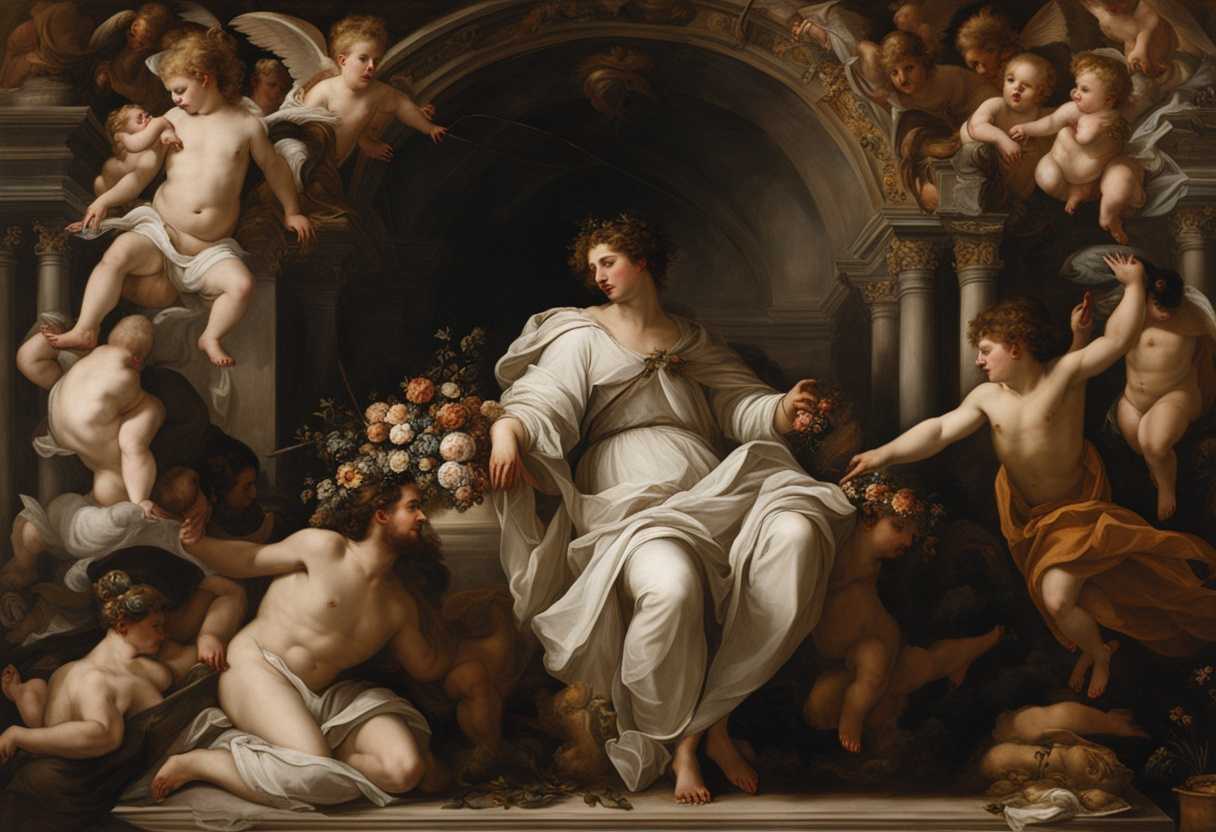
In Ezekiel chapter 10, we find the prophet Ezekiel in a vision of the glory of God. The scene is set in the temple in Jerusalem, where Ezekiel sees the cherubim standing beside the altar. These cherubim are described as having four faces each – the face of a cherub, a human, a lion, and an eagle. They have four wings and their legs are straight like a calf’s hoof, gleaming like burnished bronze.
Ezekiel is not alone in this vision; he is accompanied by the Lord, who is seated on a throne above the cherubim. The glory of the Lord fills the temple, and the sound of their wings is like the sound of the Almighty when He speaks. The scene is filled with a sense of awe and reverence as Ezekiel witnesses the majesty and power of God in this vision.
As Ezekiel beholds this incredible sight, he is overwhelmed by the presence of the Lord and falls facedown in worship. The vision serves as a reminder of the holiness and sovereignty of God, and the importance of reverence and obedience in His presence.
What is Ezekiel 10:6-8 about?
The imagery of God’s glory departing from the temple in this verse signifies the consequences of the people’s sins and disobedience. It symbolizes a divine withdrawal, a distancing of God’s presence from a place that was meant to be holy and pure. The temple was considered the dwelling place of God amongst His people, so the departure of His glory represents a loss of divine favor and protection due to the people’s actions.
Imagine the solemn moment when God’s glory, which once filled the temple with radiant light and presence, slowly fades away, leaving behind a sense of emptiness and desolation. The departure of God’s glory serves as a powerful reminder of the importance of obedience and faithfulness in maintaining a close relationship with the divine. It prompts us to reflect on our own actions and consider how our choices may impact our connection with God and His blessings in our lives. As we ponder upon this verse, let us ask ourselves: Have we strayed from God’s will in any areas of our lives? Have our actions caused His presence to diminish in our hearts and surroundings? Let this verse serve as a warning to prioritize righteousness and seek forgiveness for our sins, so that we may once again experience the fullness of God’s glory and blessings in our lives.
Understanding what Ezekiel 10:6-8 really means
Ezekiel 10:6-8 unveils a profound vision granted to the prophet Ezekiel, depicting the departure of the glory of the Lord from the temple in Jerusalem. This vision serves as a poignant continuation of the divine judgment pronounced upon Israel for their persistent idolatry and disobedience. Within this intricate vision, we encounter symbolic representations such as cherubim, wheels, and coals of fire, each bearing significant meanings that illuminate God’s presence, movement, and purifying judgment.
In the passage, the command given to the “man clothed in linen” to retrieve fire from among the cherubim and wheels signifies a divine or angelic figure carrying out God’s decree. This act of taking fire from the presence of God symbolizes the transfer of divine judgment for purification or judgment. The cherub’s outstretched hand towards the fire among the cherubim underscores their pivotal role in executing God’s will and emphasizes the gravity of the impending judgment. The subsequent transfer of fire to the man clothed in linen symbolizes the transmission of divine judgment from the heavenly realm to the earthly domain.
Drawing parallels with other biblical passages like Isaiah 6:6-7 and Revelation 8:5, where fire symbolizes purification and judgment, Ezekiel’s vision resonates with timeless themes of holiness, repentance, and divine intervention. It serves as a stark reminder of God’s holiness and the weightiness of sin, prompting reflection on the necessity of repentance and the reality of divine judgment. Moreover, it underscores God’s active involvement in the world, even amidst challenging circumstances, reaffirming His sovereignty and presence in our lives.
Consider a community grappling with a severe drought, mirroring the Israelites’ spiritual drought in Ezekiel’s time. Initially resistant to change, the community eventually acknowledges the severity of their situation and alters their ways. Similarly, Ezekiel’s vision acts as a clarion call for introspection, urging us to recognize areas of spiritual drought in our lives and realign with God.
Reflect on your own life—are there areas where you may be disregarding God’s guidance or living in disobedience? Contemplate how God’s judgment, though severe, beckons us to return to Him and encounter His grace. Ponder the redemptive nature of divine judgment, akin to fire that refines and restores, ultimately leading to renewal and transformation.
By delving into the profound implications of Ezekiel’s vision, we are invited to embrace a deeper understanding of holiness, repentance, and the transformative work of God in our lives. May we heed the call to return to God, allowing His refining fire to purify and renew us, guiding us towards a closer walk with Him.
How do our actions reflect God’s presence within us?
Our actions reflect God’s presence within us when we carry out His will and live righteously. Our actions should demonstrate alignment with God’s plan and purpose for our lives, just as the cherubim in Ezekiel’s vision moved in coordination with the Spirit of God. When we act with kindness, compassion, and love towards others, we are embodying the presence of God within us. Our actions should also reflect a reverence for God’s holiness. We should humble ourselves and approach our actions with a sense of awe and respect for the divine, just as the cherubim in the vision covered their faces and bodies in the presence of God’s glory. Our behavior should be a reflection of the sanctity that comes from having God’s presence dwell within us. Our actions should bear witness to the transformative power of God in our lives in all that we do. We become vessels through which God’s light and love can shine forth into the world by consistently choosing righteousness and obedience. Our actions should ultimately point others towards the presence of God within us, inviting them to experience His grace and power for themselves.
Application
Reflect on your heart as a vessel for God’s glory, just as the cherubim in Ezekiel’s vision. Are you ready to carry His holiness within you, shining His light through your life? Evaluate your actions and intentions to ensure they align with His will, bringing Him honor. Will you take up the call to be a worthy vessel for God’s glory today?

Reverend Michael Johnson is an experienced Church Minister with a profound expertise in spirituality and guidance. With a serene presence and a compassionate heart, he has faithfully served his congregation for over 20 years, leading them on a spiritual journey towards inner peace and enlightenment. Reverend Johnson’s extensive knowledge of religious philosophies and profound understanding of human nature have made him a trusted confidant and mentor to many, as he seamlessly weaves his profound wisdom into life teachings. Reverend Johnson’s calming demeanor and empathetic nature continue to uplift and heal souls, nurturing a sense of unity and tranquility within his community.