
Ezekiel 16:14 is about God’s lavish blessings and gifts to Israel, symbolized by adorning her with ornaments such as jewelry and clothing, highlighting His grace and favor towards His chosen people despite their unfaithfulness.
14 And your renown went forth among the nations because of your beauty, for it was perfect through the splendor that I had bestowed on you, declares the Lord God.
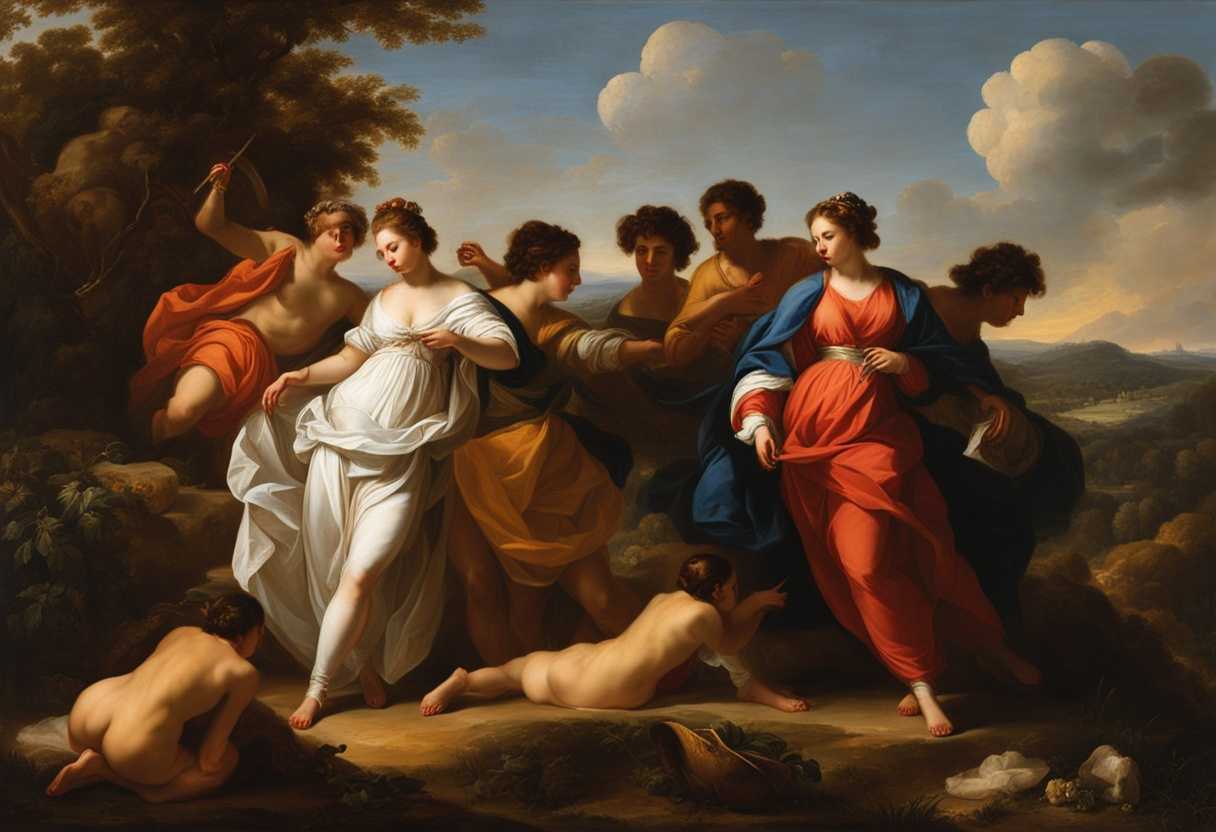
Setting the Scene for Ezekiel 16:14
In Ezekiel chapter 16, the prophet Ezekiel uses a powerful allegory to describe the unfaithfulness of Jerusalem to God. The scene unfolds in a vast desert, symbolizing the desolation and emptiness of the city’s spiritual state. Ezekiel portrays Jerusalem as a newborn baby abandoned in the open field, left to die. The city is covered in blood, representing the sins and idolatry that have stained its reputation.
As Ezekiel continues his allegory, he describes how God, in His mercy, passes by and rescues Jerusalem. He cleanses the city, adorns it with fine clothing, and makes a covenant with it. The imagery is rich and vivid, illustrating the depth of God’s love and forgiveness towards His people, despite their unfaithfulness.
The characters in this scene include Jerusalem personified as a young woman, God as the compassionate rescuer, and Ezekiel as the messenger delivering this powerful message. The surroundings are bleak and desolate, emphasizing the dire situation of Jerusalem before God’s intervention. The scene serves as a poignant reminder of God’s faithfulness and His willingness to restore even the most wayward of souls.
What is Ezekiel 16:14 about?
God portrays His love and care for Israel in Ezekiel 16:14 through the image of adorning them with fine clothing and jewelry. Just like a loving parent who wants to see their child happy and well-taken care of, God showers His people with blessings and grace. The act of adorning symbolizes God’s desire to uplift and beautify His chosen ones, demonstrating His deep love and affection for them.
Have you ever received a gift or gesture that made you feel special and cherished? Think of God’s love as the ultimate expression of care and attention, far surpassing any material gift we could ever receive. Through this verse, we are reminded of God’s constant presence in our lives, His desire to see us flourish and thrive, and His unfailing love that surpasses all understanding. Just like a loving parent adorns their child with the best, God adorns us with His blessings and grace, showing us that we are deeply loved and valued in His eyes.
Understanding what Ezekiel 16:14 really means
In Ezekiel 16:14, we delve into a poignant metaphor where God, speaking through the prophet Ezekiel, portrays Jerusalem as an unfaithful wife. This verse specifically highlights the splendor and renown that Jerusalem acquired due to God’s blessings. The imagery of a city gaining fame among nations due to its beauty not only captivates the reader but also underscores the profound impact of divine favor on earthly entities.
“Your fame went out among the nations” – these words resonate with a sense of international recognition, signifying that Jerusalem’s reputation transcended geographical boundaries. It was not merely a local acknowledgment but a widespread acclaim that showcased God’s magnanimity in elevating Jerusalem to a position of honor and prestige. The phrase “Because of your beauty” emphasizes that the beauty Jerusalem possessed was not self-derived but a gift from God. It symbolizes the transformative power of divine favor in enhancing and exalting the chosen city.
“Perfect through my splendor which I had bestowed on you” encapsulates the essence of grace and divine generosity. Jerusalem’s perfection and renown were not a result of its own efforts but a reflection of the splendor bestowed upon it by God. This notion reinforces the idea that all blessings, whether beauty or fame, ultimately stem from God’s grace and benevolence.
Drawing parallels from related biblical passages such as Isaiah 62:3 and 1 Peter 2:9, we see a consistent theme of God bestowing honor and beauty upon His chosen people. These verses echo the sentiment that our worth and significance come from being chosen and elevated by God, rather than from our own achievements or merits.
In today’s world, where self-reliance and personal accomplishments are often glorified, Ezekiel 16:14 serves as a poignant reminder of the importance of humility and gratitude. It prompts us to acknowledge that any beauty, success, or renown we attain is ultimately a gift from God. By redirecting our focus towards divine grace, this verse encourages us to recognize God’s hand in our lives and to live in a manner that reflects His splendor.
Consider the anecdote of a young woman who discovered her true worth and identity through the lens of God’s love. Her journey from feeling unnoticed to realizing her inherent value mirrors Jerusalem’s transformation from obscurity to fame through God’s blessings. Just as Jerusalem’s beauty was a reflection of God’s splendor, our true worth lies in being loved and valued by the Creator.
In conclusion, Ezekiel 16:14 stands as a powerful testament to the transformative power of God’s grace. It beckons us to acknowledge the divine source of our blessings, to embrace humility and gratitude, and to live in a way that radiates God’s splendor to the world around us.
What unfaithfulness in our lives grieves God’s heart?
The unfaithfulness in our lives that grieves God’s heart is compared to the unfaithfulness of a wife to her husband. God describes how He took care of His chosen people, adorned them, and gave them everything they needed, yet they turned away and used what He gave them to prostitute themselves with idols in this comparison. This unfaithfulness breaks God’s heart because He desires a close, intimate relationship with His people, just as a husband longs for the faithfulness of his wife.
When we choose to prioritize things or people above God, we are being unfaithful to Him. It grieves God to see us seeking fulfillment and satisfaction in anything other than Him. God is grieved when we look to idols or worldly pleasures to meet our needs, rather than turning to Him as our source of ultimate satisfaction and fulfillment.
God longs for us to be faithful and devoted to Him, trusting that He alone can provide for all our needs and satisfy our deepest longings. When we choose to put our trust and hope in anything other than Him, it causes Him great sorrow, as He knows that true fulfillment can only be found in a loving and faithful relationship with Him.
Application
Think about how your boss recognizes your hard work and rewards you, or how your family loves you despite your flaws. Similarly, God’s love and care for you are immense. He’s given you the best gifts, even when you didn’t earn them. Let this gratitude drive you to reflect that love and generosity in your daily life. Will you take this abundance and spread kindness and support to those around you?

Reverend Michael Johnson is an experienced Church Minister with a profound expertise in spirituality and guidance. With a serene presence and a compassionate heart, he has faithfully served his congregation for over 20 years, leading them on a spiritual journey towards inner peace and enlightenment. Reverend Johnson’s extensive knowledge of religious philosophies and profound understanding of human nature have made him a trusted confidant and mentor to many, as he seamlessly weaves his profound wisdom into life teachings. Reverend Johnson’s calming demeanor and empathetic nature continue to uplift and heal souls, nurturing a sense of unity and tranquility within his community.