
Ezekiel 16:16 is about how Jerusalem, like a woman lavishly adorning herself with beautiful clothing and jewelry, indulged in the gifts and pleasures she received from God without recognizing the source of her blessings, ultimately leading to her downfall due to her pride and unfaithfulness.
16 You took some of your garments and made for yourself colorful shrines, and on them played the whore.
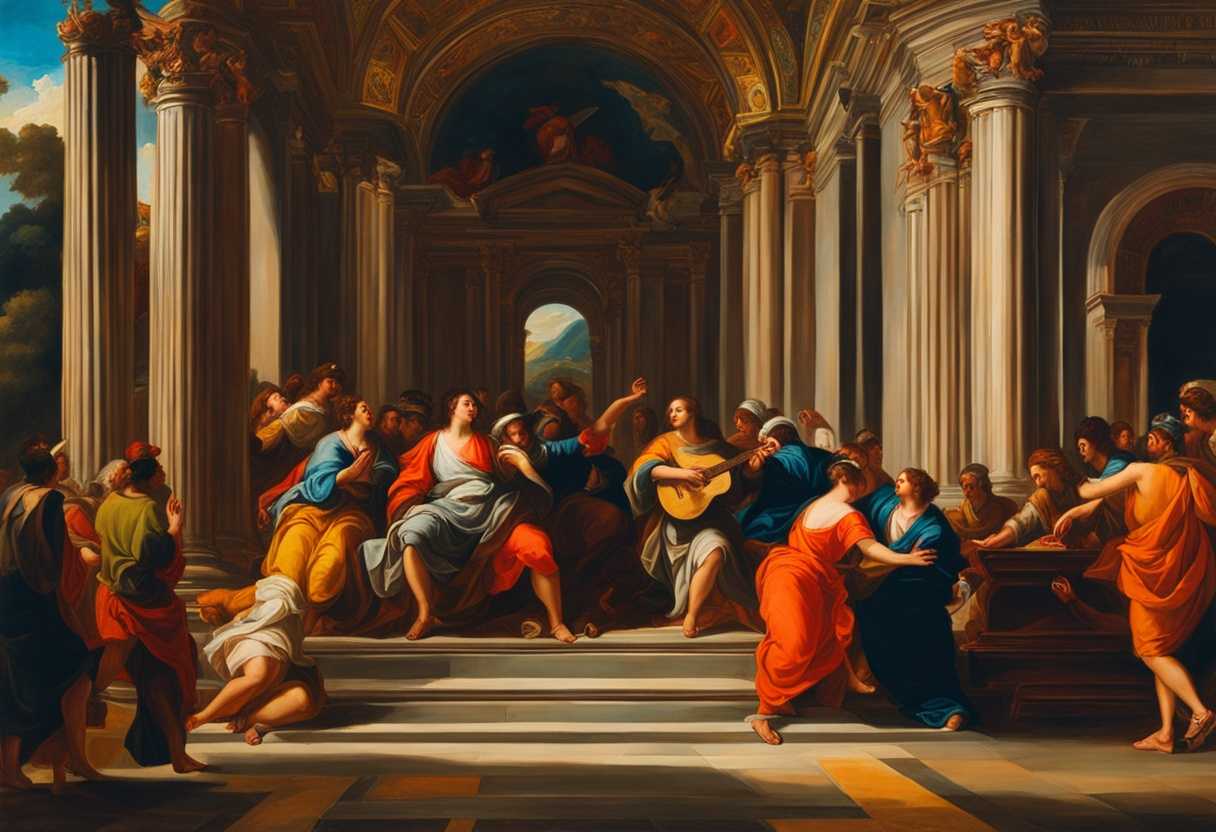
Setting the Scene for Ezekiel 16:16
In Ezekiel chapter 16, the prophet Ezekiel uses a powerful allegory to describe the unfaithfulness of Jerusalem to God. The scene unfolds with Jerusalem personified as a wayward woman who is found abandoned and helpless in a field. The imagery is vivid as Ezekiel describes how this woman, representing Jerusalem, is rescued by God and nurtured into a beautiful and prosperous city.
Surrounding this scene are the remnants of a once-great city, now in ruins and desolation. The atmosphere is heavy with the weight of betrayal and redemption as Ezekiel paints a picture of God’s unwavering love and Jerusalem’s unfaithfulness. The characters in this scene include God, symbolized by the rescuer, and Jerusalem, portrayed as the wayward woman in need of saving.
As Ezekiel unfolds this allegory, the audience is drawn into a dramatic narrative of love, betrayal, and redemption, highlighting the enduring faithfulness of God even in the face of human unfaithfulness. The scene is set in a stark and poignant backdrop, emphasizing the consequences of turning away from God and the hope of restoration through His mercy and grace.
What is Ezekiel 16:16 about?
Ezekiel uses a powerful analogy to describe Jerusalem’s unfaithfulness to God in this verse. Ezekiel paints a vivid picture of the city’s spiritual betrayal by likening Jerusalem to a promiscuous woman seeking attention and gifts from different lovers. Just like a woman who strays from her committed relationship in search of temporary pleasure and material gain, Jerusalem has turned away from God and sought comfort and security from other sources.
Through this analogy, Ezekiel challenges us to reflect on our own relationship with God. Are we truly committed and faithful, or do we seek temporary satisfaction and fulfillment from worldly pleasures and distractions? Jerusalem’s unfaithfulness will result in spiritual desolation and divine judgment, just as a promiscuous woman’s actions ultimately lead to emptiness and regret. The verse serves as a cautionary tale, reminding us of the consequences of turning away from God and seeking fulfillment in fleeting and superficial pursuits.
Understanding what Ezekiel 16:16 really means
In Ezekiel 16:16, we delve into a poignant metaphorical depiction of Jerusalem’s unfaithfulness towards God. The imagery of a wayward wife is used to illustrate the betrayal and idolatry that had taken root in the hearts of the people. The verse specifically highlights the misuse of the blessings and gifts bestowed by God, symbolized by the act of taking garments and creating colorful shrines for idolatrous practices. This vivid portrayal serves as a stark reminder of the consequences of spiritual adultery and ingratitude.
The phrase “You took some of your garments” symbolizes the blessings and provisions graciously given by God. Garments, often representing righteousness and provision in the Bible, signify the tangible gifts from the Lord. However, instead of cherishing these gifts, the people of Jerusalem misused them to craft colorful shrines, lured by the allure of false worship. The imagery of playing the harlot on these shrines paints a picture of deep betrayal and unfaithfulness, a stark contrast to the covenant relationship God intended to have with His people.
Drawing parallels from related biblical passages such as Hosea 2:8 and Isaiah 1:21, we see a recurring theme of God’s people forsaking Him for idols and worldly pursuits. The misuse of God’s blessings for idolatry is a grave offense, reflecting a lack of gratitude and faithfulness towards the Provider of all good things. These passages serve as cautionary tales, warning against the dangers of straying from God’s path and prioritizing temporal pleasures over eternal truths.
The relevance of Ezekiel 16:16 extends beyond its historical context, resonating with contemporary audiences grappling with materialism, idolatry, and misplaced priorities. It prompts introspection on how we utilize the blessings in our lives – are we honoring God with our resources and talents, or are we squandering them on pursuits that lead us away from Him? The verse challenges us to evaluate our actions and ensure they align with a heart of gratitude and faithfulness towards God.
Consider the analogy of a squandered inheritance: just as misusing a generous gift dishonors the giver and leads to personal ruin, misusing God’s blessings dishonors Him and hinders our spiritual growth. Reflect on your own life – are you stewarding God’s blessings well, or are you allowing worldly distractions to detract from your relationship with Him? By realigning our priorities and redirecting our focus towards honoring God, we can live lives that reflect gratitude and faithfulness to the One who provides abundantly.
In understanding the depth of Ezekiel 16:16 and its implications, we are challenged to live intentionally, honoring the gifts and blessings bestowed upon us by God. Let us strive to be faithful stewards of His provisions, using them to further His kingdom and glorify His name in all that we do.
How do we stay humble in times of prosperity?
To stay humble in times of prosperity, we should always remember the source of our blessings. It is important to recognize that any successes or wealth we may have are gifts from God, not just the result of our own efforts. We can remain humble and grateful for what we have been given by attributing our accomplishments to God’s grace.
Additionally, staying connected to our faith community and practicing acts of kindness and charity can help us stay grounded in times of abundance. We can remind ourselves of the importance of humility and generosity by serving others and using our blessings to benefit those in need.
Lastly, maintaining a mindset of gratitude and thankfulness can also help us stay humble when we are experiencing prosperity. Regularly expressing gratitude to God for all that we have can cultivate a spirit of humility and contentment that will keep us grounded and prevent us from becoming prideful.
Application
Think about how pride can sneak into your life the same way stress piles up at work or home. Take a moment to reflect and humble yourself, recognizing that everything you have is a gift. Use your talents and resources to help others and honor something greater than yourself. Are you ready to swap pride for gratitude today?

Reverend Michael Johnson is an experienced Church Minister with a profound expertise in spirituality and guidance. With a serene presence and a compassionate heart, he has faithfully served his congregation for over 20 years, leading them on a spiritual journey towards inner peace and enlightenment. Reverend Johnson’s extensive knowledge of religious philosophies and profound understanding of human nature have made him a trusted confidant and mentor to many, as he seamlessly weaves his profound wisdom into life teachings. Reverend Johnson’s calming demeanor and empathetic nature continue to uplift and heal souls, nurturing a sense of unity and tranquility within his community.