
1 And the word of the Lord came to me, saying,
2 “And you, son of man, will you judge, will you judge the bloody city? Then declare to her all her abominations.
3 You shall say, Thus says the Lord God: A city that sheds blood in her midst, so that her time may come, and that makes idols to defile herself!
4 You have become guilty by the blood that you have shed, and defiled by the idols that you have made, and you have brought your days near, the appointed time of your years has come. Therefore I have made you a reproach to the nations, and a mockery to all the countries.
5 Those who are near and those who are far from you will mock you; your name is defiled; you are full of tumult.
6 “Behold, the princes of Israel in you, every one according to his power, have been bent on shedding blood.
7 Father and mother are treated with contempt in you; the sojourner suffers extortion in your midst; the fatherless and the widow are wronged in you.
8 You have despised my holy things and profaned my Sabbaths.
9 There are men in you who slander to shed blood, and people in you who eat on the mountains; they commit lewdness in your midst.
10 In you men uncover their fathers’ nakedness; in you they violate women who are unclean in their menstrual impurity.
11 One commits abomination with his neighbor’s wife; another lewdly defiles his daughter-in-law; another in you violates his sister, his father’s daughter.
12 In you they take bribes to shed blood; you take interest and profit and make gain of your neighbors by extortion; but me you have forgotten, declares the Lord God.
13 Behold, I strike my hand at the dishonest gain that you have made, and at the blood that has been in your midst.
14 Can your courage endure, or can your hands be strong, in the days that I shall deal with you? I the Lord have spoken, and I will do it.
15 And I will scatter you among the nations, and disperse you through the countries, and I will consume your uncleanness out of you.
16 And you shall be profaned by your own doing in the sight of the nations, and you shall know that I am the Lord.”
17 And the word of the Lord came to me:
18 “Son of man, the house of Israel has become dross to me; all of them are bronze and tin and iron and lead in the furnace; they are dross of silver.
19 Therefore thus says the Lord God: Because you have all become dross, therefore, behold, I will gather you into the midst of Jerusalem.
20 As they gather silver and bronze and iron and lead and tin into a furnace to blow fire on it in order to melt it, so I will gather you in my anger and in my wrath, and I will put you in and melt you.
21 I will gather you and blow on you with the fire of my wrath, and you shall be melted in the midst of it.
22 As silver is melted in a furnace, so you shall be melted in the midst of it, and you shall know that I am the Lord; I have poured out my wrath upon you.”
23 And the word of the Lord came to me:
24 “Son of man, say to her, You are a land that is not cleansed or rained upon in the day of indignation.
25 The conspiracy of her prophets in her midst is like a roaring lion tearing the prey; they have devoured human lives; they have taken treasure and precious things; they have made many widows in her midst.
26 Her priests have done violence to my law and have profaned my holy things. They have made no distinction between the holy and the common, neither have they taught the difference between the unclean and the clean, and they have disregarded my Sabbaths, so that I am profaned among them.
27 Her princes in her midst are like wolves tearing the prey, shedding blood, destroying lives to get dishonest gain.
28 And her prophets have smeared whitewash for them, seeing false visions and divining lies for them, saying, ‘Thus says the Lord God,’ when the Lord has not spoken.
29 The people of the land have practiced extortion and committed robbery. They have oppressed the poor and needy, and have extorted from the sojourner without justice.
30 And I sought for a man among them who should build up the wall and stand in the breach before me for the land, that I should not destroy it, but I found none.
31 Therefore I have poured out my indignation upon them. I have consumed them with the fire of my wrath. I have returned their way upon their heads, declares the Lord God.
The True Meaning of Ezekiel 22
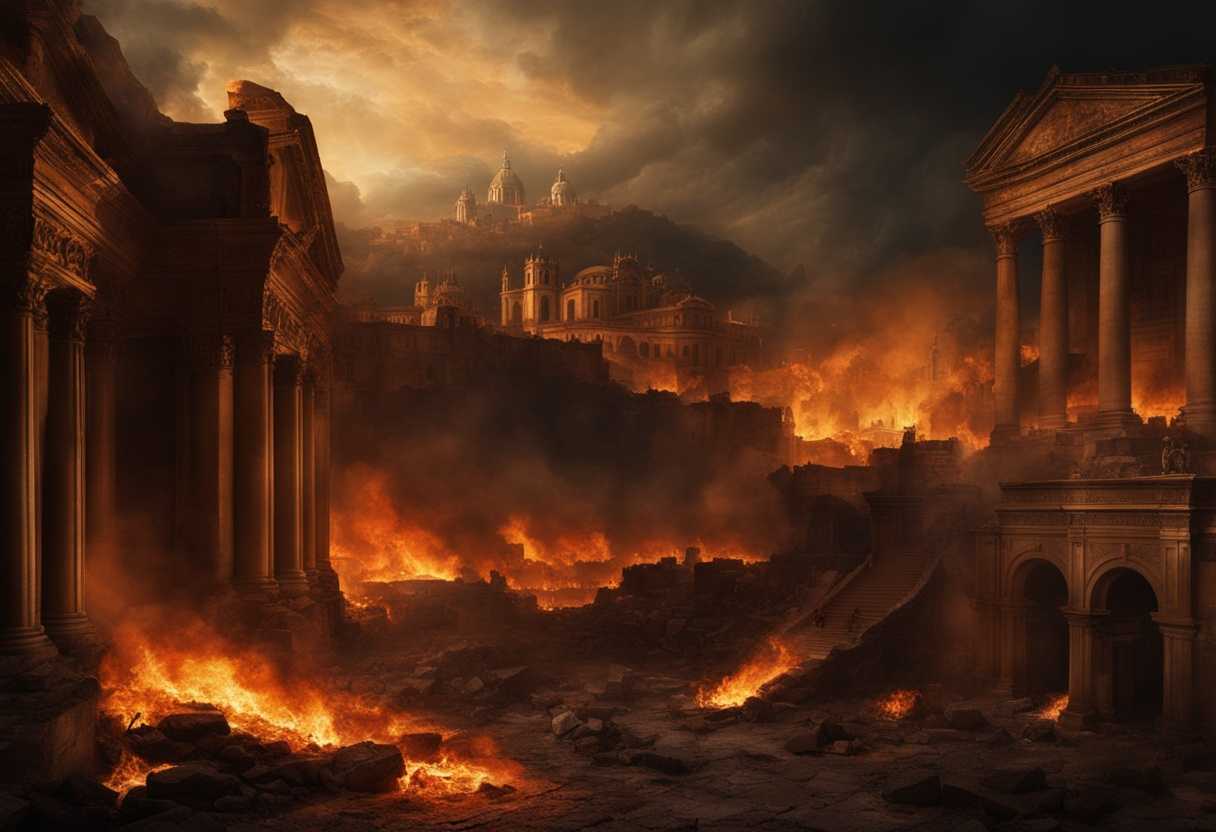
The book of Ezekiel was written by the prophet Ezekiel, who was a priest and a prophet during the Babylonian exile. He was among the first group of Israelites taken captive to Babylon in 597 BC, and he received his prophetic visions and messages while living in exile. Ezekiel delivers a scathing indictment against the city of Jerusalem in this chapter, condemning its leaders and people for their widespread corruption and injustice. He paints a vivid picture of the city’s moral decay, likening it to a smelting furnace where the impurities of the people are being exposed and purged. The chapter foreshadows the impending judgment that will befall Jerusalem, as the city’s sins have reached a point of no return.
Ezekiel’s words echo the warnings of other prophets, such as Jeremiah, who had also denounced the moral and spiritual decline of Judah (Jeremiah 7:1-15). The prophet’s message serves as a stark reminder that God’s patience with sin has its limits, and that true repentance and a return to righteous living are the only way to avoid the consequences of disobedience.
Ezekiel 22:1-5
The prophet Ezekiel receives a new message from the Lord in Ezekiel 22:1-5. The Lord instructs Ezekiel to confront the city of Jerusalem with their sins and to expose their abominations. The strong language used here indicates the severity of Jerusalem’s sins and the urgency for repentance. This section serves as a reminder that God is aware of the actions of His people and holds them accountable for their behavior.
The mention of Jerusalem in these verses is significant as it was considered the holy city, the center of worship and the seat of God’s presence in the temple. However, the city had become corrupted with various sins such as violence, idolatry, and injustice, which were prevalent among the people. This shows us that no place or individual is exempt from God’s judgment if they turn away from His ways.
The imagery of Jerusalem shedding blood in the midst of idol worship portrays a city that has forsaken God’s commandments and turned to worship false gods, leading to moral decay and spiritual degradation. This vivid symbolism emphasizes the consequences of abandoning God’s laws and the destructive path that sin can lead one down.
Ezekiel’s role as a prophet here is crucial as he is tasked with delivering God’s message of warning and rebuke to the people. Prophets in the Bible were chosen by God to speak on His behalf, calling the people to repentance and obedience. Ezekiel’s willingness to speak the difficult truths and challenge the sins of the people demonstrates his obedience to God’s calling, even in the face of opposition and rejection. This passage highlights the importance of remaining faithful to God and living according to His commandments in the broader context of the Bible. It serves as a cautionary tale of the consequences of straying from God’s ways and the necessity of repentance to restore a relationship with Him. Individuals and nations today are called to examine their actions and turn back to God in sincere repentance, just as Jerusalem faced judgment for its sins. This message of repentance and restoration is a timeless theme throughout the Bible, demonstrating God’s desire for reconciliation with His people.
Ezekiel 22:6-12
Verse 6 begins with a powerful declaration from the Lord, stating, “See how each of the princes of Israel who are in you uses his power to shed blood.” Here, the Lord is bringing attention to the corrupt leadership within Israel. These princes were meant to lead with justice and righteousness, yet they were instead using their positions for personal gain and to commit violent acts. This points to a broader theme in the Bible about the importance of leadership and the consequences of leaders who stray from God’s commands. Throughout the Bible, there are numerous examples of both righteous and corrupt leaders, showcasing the impact they have on the people they lead. The people of Israel are guilty of committing a list of sins that we see in verses 7-9. These include disrespecting parents, mistreating foreigners, orphans, and widows, and acting unjustly for personal gain. This passage serves as a reminder of the importance of living in accordance with God’s commandments. The mistreatment of the vulnerable and the downtrodden is a recurring theme in the Bible, emphasizing the need for compassion and justice for all individuals. Jesus says in Matthew 25:40, “Truly I tell you, whatever you did for one of the least of these brothers and sisters of mine, you did for me.”” This reinforces the idea that how we treat others reflects our relationship with God.
Verse 10 highlights the severity of the punishment that awaits those who have sinned in such egregious ways. Those who uncover their fathers’ nakedness and violate women during their menstrual impurity are declared by the Lord.” These actions were considered particularly sinful in the eyes of God and were deserving of severe consequences. The Bible frequently addresses the importance of upholding moral purity, especially in matters of sexuality and family relationships. Leviticus 18:7-8 specifically addresses the uncovering of a father’s nakedness as a violation of God’s commandments. The Lord identifies the root cause of these sins in verse 12, stating, “In you they take bribes to shed blood; you take interest and profit and make gain of your neighbors by extortion.” The greed and corruption of the people had led them to commit these heinous acts. This serves as a cautionary tale about the dangers of placing material wealth above righteousness and justice. The Bible states in 1 Timothy 6:10, “For the love of money is a root of all kinds of evil.”” This verse echoes the sentiment expressed in Ezekiel, emphasizing the destructive power of greed and the importance of prioritizing spiritual values over earthly possessions. Ezekiel 22:6-12 serves as a profound reflection on the consequences of sin, the importance of moral integrity, and the necessity of righteous leadership. The passage highlights the pervasive nature of corruption and the need for individuals to uphold God’s commandments in all aspects of their lives. Through these verses, believers are called to examine their own actions and ensure they are aligned with the will of God, showing compassion, justice, and integrity in all that they do.
Ezekiel 22:13-16
The verse in Ezekiel 22:13-16 is divided into a few significant sections that provide insight into the state of affairs during Ezekiel’s time and convey a powerful message about the consequences of sin and disobedience. “The people of the land have used oppression, committed robbery, and mistreated the poor and needy are mentioned in the first part of the verse.” And they wrongfully oppress the stranger.”. This description paints a grim picture of the society in Ezekiel’s time, where the vulnerable members of society were being exploited and treated unjustly. The people were engaging in sinful behaviors such as oppression, robbery, and neglect of the disadvantaged. This portrayal reflects a society that had strayed far from the values and commandments set by God.
The mistreatment of the poor and needy is a recurring theme in the Bible, emphasizing the importance of caring for those who are less fortunate. Throughout the Bible, there are numerous verses that speak about the responsibility of caring for the poor, such as Proverbs 14:31 which says, “Whoever oppresses the poor shows contempt for their Maker, but whoever is kind to the needy honors God.” This highlights the divine expectation for people to show compassion and empathy towards others, especially those in need.
Furthermore, the specific mention of oppressing strangers or foreigners underscores the Biblical principle of welcoming and showing hospitality to outsiders. The Old Testament contains multiple reminders to treat foreigners with kindness and fairness, as the Israelites themselves were once foreigners in Egypt. This principle is echoed in verses like Leviticus 19:34 which states, “The foreigner residing among you must be treated as your native-born. Love them as yourself, for you were foreigners in Egypt. I am the Lord your God.”
The second part of the verse refers to God seeking for ”a man among them who would make a wall, and stand in the gap before Me on behalf of the land, that I should not destroy it; but I found no one”. This part holds a significant message about the importance of interceding for others and standing in the gap to pray for those who are in need. The concept of standing in the gap is symbolic of acting as an intermediary between God and a sinful society, pleading for mercy and forgiveness on their behalf.
This inability to find anyone to intercede serves as a poignant reminder of the scarcity of righteous individuals who were willing to stand up for justice and righteousness in that society. It calls attention to the importance of individuals who are willing to advocate for what is right, even in the face of adversity. The absence of such individuals in Ezekiel’s time led to God’s judgment upon the land. Ezekiel 22:13-16 serves as a reflection on the societal injustices and moral decay prevalent during that time, highlighting the consequences of sin and the critical need for righteousness and compassion. It urges believers to be mindful of their treatment towards others, especially the vulnerable, and to actively seek to intercede for those in need. The passage underscores the timeless message of the Bible regarding the importance of justice, mercy, and the call to stand up for righteousness in a world filled with sin.
Ezekiel 22:17-22
The Lord speaks to the prophet Ezekiel in Ezekiel 22:17-22, instructing him that the house of Israel has become dross.” Here, the Lord is using the imagery of refining metals to convey the spiritual state of the people of Israel. The Lord sees the people of Israel as filled with impurities that need to be purged, just as a furnace separates impurities from precious metals through intense heat. This metaphor is powerful as it portrays the process of purification and transformation that the Lord desires for His people.
The passage goes on to describe the judgment that will come upon the people of Israel due to their sins and transgressions. The Lord declares that He will gather them in the midst of Jerusalem as silver, bronze, iron, lead, and tin are gathered into a furnace to be blown upon by the fire of His wrath. This fiery imagery symbolizes the impending punishment and destruction that will befall the people if they do not turn away from their wicked ways and repent. It serves as a stark warning of the consequences of disobedience and the importance of living in accordance with God’s will.
Furthermore, the passage mentions the role of the prophets in the midst of this judgment. The Lord condemns the false prophets who have deceived the people with lies, proclaiming peace when there is no peace. These prophets have failed in their duty to speak the truth and warn the people of the impending judgment due to their sins. This serves as a cautionary tale about the dangers of false prophets and the importance of discerning the true word of God from deceitful teachings.
Additionally, the passage highlights the role of the priests in the moral decay of the nation. The priests have violated God’s law and profaned His holy things. Instead of upholding righteousness and leading the people in worship, they have become complicit in the sins of the people. This condemnation of the religious leaders underscores the significance of spiritual leadership and the responsibility that comes with serving in positions of authority within the church. Ezekiel 22:17-22 serves as a sobering reminder of the consequences of sin and the need for repentance. The imagery of refining metals, the impending judgment, the presence of false prophets, and the corruption of the priests all contribute to a powerful message about the importance of living in obedience to God’s commands and seeking purification of the heart. It emphasizes the themes of accountability, judgment, and the unwavering righteousness of God throughout the Bible. It challenges readers to reflect on their own lives and consider whether they are living in accordance with God’s will or if they too are in need of purification and renewal.
Ezekiel 22:23-31
Ezekiel delivers a powerful message from God in Ezekiel 22:23-31, condemning the leaders of Jerusalem for their sins and detailing the moral decay that he observed among the people.
The section starts by highlighting the failure of the spiritual leaders, priests, in fulfilling their duties. These priests were supposed to be the mediators between the people and God, teaching and upholding His commandments. Instead, they had become like wolves tearing the prey, shedding blood, and destroying lives to get dishonest gain. This betrayal of their sacred duty had severe consequences, as it led the people astray and perpetuated the corruption and sin in the society. This speaks to the significant influence that leaders—whether spiritual, political, or societal—have on those under their care. It emphasizes the importance of integrity, accountability, and leading by example in positions of authority.
Furthermore, the passage also mentions the prophets or “seers” who whitewash these deeds by proclaiming false visions and lying divinations. These false prophets misled the people by speaking words that they claimed were from God but were actually their own fabrications. This deception not only fed into the corruption and moral decline but also caused the people to become complacent in their sinful ways, believing that they were secure despite their unrighteous actions. The presence of false prophets serves as a cautionary tale about discerning the truth and being vigilant against deceptive teachings that stray from God’s word.
Ezekiel goes on to describe the societal decay that had gripped the people of Jerusalem, with widespread oppression, violence, and injustice prevalent among them. The rulers of the city were likened to roaring lions, devouring the prey for personal gain, while the citizens engaged in extortion, robbery, and exploitation of the vulnerable. This depiction paints a grim picture of a society plagued by moral degradation and lawlessness, where the powerful exploit the weak with impunity. It serves as a reminder of the consequences of turning away from God’s laws and the destructive impact of sin on individuals and communities.
Despite the bleakness of the situation, there is a glimmer of hope in the passage as God declares that He sought for a man among them who would build up the wall and stand in the breach before Him on behalf of the land, that He should not destroy it, but He found none. This imagery of someone standing in the breach, essentially acting as an intercessor, is reminiscent of Moses interceding on behalf of the Israelites in Exodus 32:10-14 when God’s wrath was kindled against them. It underscores the importance of righteousness and intercession in averting divine judgment and highlights the scarcity of individuals willing to stand up for what is right in the face of overwhelming corruption. Ezekiel 22:23-31 serves as a poignant reminder of the consequences of moral decay, corruption, and the failure of leadership in society. It underscores the importance of integrity, accountability, and standing up for righteousness even in the face of widespread sin. The passage also highlights the need for discernment in distinguishing true prophets from false ones and the role of intercession in appealing to God’s mercy and justice. It calls for individuals to examine their own actions and attitudes, ensuring that they align with God’s standards of righteousness and justice in a world that is prone to moral decline.
After Ezekiel 22
The Lord’s judgment on Jerusalem had been made clear. The people had turned away from Him, embracing the ways of the world. They had become corrupt, from the leaders to the common people. The Lord had warned them, but they refused to listen. Now, the time for judgment had come. I, as the reverend, knew that this was a sobering message, a call to repentance and a reminder of the consequences of sin. But the story did not end there. The Lord, in His infinite mercy, offered a path to redemption in the next chapter, if only the people would turn back to Him.

Reverend Michael Johnson is an experienced Church Minister with a profound expertise in spirituality and guidance. With a serene presence and a compassionate heart, he has faithfully served his congregation for over 20 years, leading them on a spiritual journey towards inner peace and enlightenment. Reverend Johnson’s extensive knowledge of religious philosophies and profound understanding of human nature have made him a trusted confidant and mentor to many, as he seamlessly weaves his profound wisdom into life teachings. Reverend Johnson’s calming demeanor and empathetic nature continue to uplift and heal souls, nurturing a sense of unity and tranquility within his community.