
Ezekiel 29:17-21 is about the restoration and divine blessing of Egypt, a nation once humbled and brought low by God’s judgment, but ultimately redeemed and given a future of prosperity under His favor.
17 In the twenty-seventh year, in the first month, on the first day of the month, the word of the Lord came to me:
18 “Son of man, Nebuchadnezzar king of Babylon made his army labor hard against Tyre. Every head was made bald, and every shoulder was rubbed bare, yet neither he nor his army got anything from Tyre to pay for the labor that he had performed against her.
19 Therefore thus says the Lord God: Behold, I will give the land of Egypt to Nebuchadnezzar king of Babylon; and he shall carry off its wealth and despoil it and plunder it; and it shall be the wages for his army.
20 I have given him the land of Egypt, as a recompense for which he labored, because they worked for me, declares the Lord God.
21 “On that day I will cause a horn to spring up for the house of Israel, and I will open your lips among them. Then they will know that I am the Lord.”
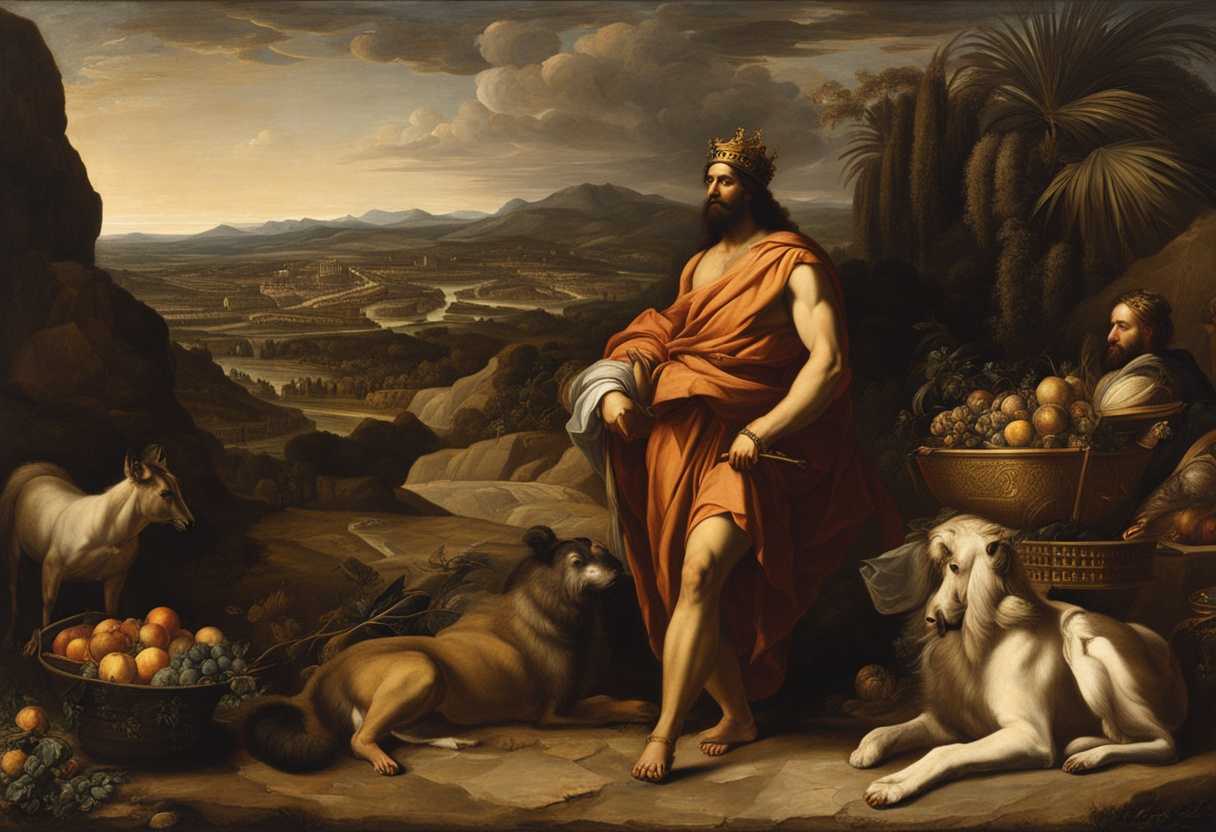
Setting the Scene for Ezekiel 29:17-21
In Ezekiel chapter 29, we find the prophet Ezekiel in the midst of a vision from the Lord. The scene is set in the city of Babylon, where Ezekiel is surrounded by a group of exiled Israelites who have been taken captive by the Babylonians. The Israelites are weary and downtrodden, longing for their homeland and seeking guidance and comfort from Ezekiel, who serves as a messenger of God.
As Ezekiel speaks to the Israelites, he delivers a message from the Lord regarding the future of Egypt. The surroundings are bleak, with the once mighty nation of Egypt facing impending judgment from God for its pride and arrogance. The Israelites listen intently as Ezekiel prophesies about the downfall of Egypt and the restoration of Israel, offering them hope and reassurance in the midst of their own struggles.
The scene is filled with tension and anticipation as Ezekiel conveys the word of the Lord to the exiled Israelites, reminding them of God’s sovereignty and faithfulness even in the midst of difficult circumstances. The Israelites cling to Ezekiel’s words as a source of hope and encouragement, trusting in the promises of God to deliver them from captivity and restore their nation to its former glory.
What is Ezekiel 29:17-21 about?
When we read this verse about God promising to restore Egypt after judgment, we are witnessing the power and mercy of our Creator. Despite bringing judgment upon Egypt for their wrongdoing, God’s ultimate plan is for restoration and redemption. This verse reminds us that God’s sovereignty extends beyond a single nation or people; He is the ruler of all nations and desires for all to be reconciled to Him.
Have you ever felt like you’ve strayed from God’s path and faced consequences for your actions? This verse serves as a powerful reminder that no matter how far we may wander, God is always ready to forgive and restore us. He holds each one of us in His care just as He holds Egypt in His loving hands. Let this verse be a beacon of hope in times of judgment, reminding us of God’s ultimate plan for restoration and renewal.
Understanding what Ezekiel 29:17-21 really means
The Book of Ezekiel, penned by the prophet Ezekiel during the Babylonian exile, provides a poignant message to the Israelites. In Ezekiel 29:17-21, we delve into a prophecy against Egypt and a promise made to Nebuchadnezzar, the King of Babylon. The specificity of the dating in the opening phrase, “In the twenty-seventh year, in the first month on the first day,” underscores the historical accuracy and significance of the prophecy. It sets the stage for the unfolding events that follow, emphasizing the divine nature of the message.
As we read about Nebuchadnezzar’s arduous campaign against Tyre, we witness the toil and struggle of his military endeavors. Despite his efforts, neither he nor his army reaped any material gain from the campaign. This serves as a stark reminder of the futility of human endeavors without the blessing of the divine. The proclamation that Egypt will be given to Nebuchadnezzar by God showcases His sovereignty in orchestrating the rise and fall of nations according to His divine plan. It highlights the overarching theme of God’s ultimate authority over all earthly powers.
The imagery of a horn growing for the Israelites symbolizes their restoration and strengthening under God’s providence. The promise of opening one’s mouth among them signifies the renewal of prophetic voice and leadership among the Israelites. These assurances of restoration and divine intervention offer hope not only to the ancient Israelites but also resonate with individuals today. The passage underscores the enduring themes of divine sovereignty, the contrast between human effort and divine will, and the promise of restoration and hope for those who trust in God’s plan.
Drawing parallels to modern-day scenarios, envision a business leader who faces disappointment after investing heavily in a project that yields no returns. However, by trusting in God’s plan, unexpected blessings and opportunities may unfold, akin to Nebuchadnezzar receiving Egypt after his failed campaign against Tyre. This anecdote serves as a tangible reminder of the timeless truths encapsulated in Ezekiel 29:17-21.
In conclusion, Ezekiel 29:17-21 stands as a poignant reminder of God’s ultimate authority over nations and history. It prompts us to trust in His plans, even in the face of setbacks, knowing that He holds the greater purpose for our lives. As we navigate the complexities of our world, may we find solace in the unwavering sovereignty of God and the promise of restoration and hope that He extends to all who place their trust in Him.
How can we trust God’s timing in our lives?
God’s sovereignty and control over all things, including the timing of events in our lives, are reminded to us in Ezekiel 29:17-21. Trusting in God’s timing requires us to have faith that He knows what is best for us and that His plans for us are perfect. Just like how God fulfilled his promises in His timing for the Israelites, we can be assured that He will also fulfill His promises for us at the appointed time.
Trusting in God’s timing also means surrendering our own plans and desires to Him and accepting that His timing may not always align with our own expectations. It requires patience, faith, and a willingness to wait for God to work in His perfect timing. We can find peace and contentment in the midst of uncertainty by cultivating a deep trust in God and His timing, knowing that He is in control and working all things together for our good. God’s timing is always perfect, even when it may seem delayed or different from what we had hoped for, as we meditate on the meaning of Ezekiel 29:17-21. We can rest in the assurance that His plans for us are far greater than we could ever imagine and that He will bring them to fruition in His perfect time by trusting in Him and His timing.
Application
Reflect on Ezekiel 29:17-21. Be accountable for your actions, both personally and as part of a larger community. Acknowledge your faults and aim for repentance. Strive for righteousness, forsaking sin and embracing grace. Will you decide today to lead a life that glorifies Him in every way?

Reverend Michael Johnson is an experienced Church Minister with a profound expertise in spirituality and guidance. With a serene presence and a compassionate heart, he has faithfully served his congregation for over 20 years, leading them on a spiritual journey towards inner peace and enlightenment. Reverend Johnson’s extensive knowledge of religious philosophies and profound understanding of human nature have made him a trusted confidant and mentor to many, as he seamlessly weaves his profound wisdom into life teachings. Reverend Johnson’s calming demeanor and empathetic nature continue to uplift and heal souls, nurturing a sense of unity and tranquility within his community.