
Ezekiel 30:13-19 is about how the Lord will bring judgment upon the nations through the hands of Babylon, demonstrating His sovereignty and power over all the earth.
13 “Thus says the Lord God: “I will destroy the idols and put an end to the images in Memphis; there shall no longer be a prince from the land of Egypt; so I will put fear in the land of Egypt.”
14 And I will make Pathros a desolation and will set fire to Zoan and will execute judgments on Thebes.
15 Thus says the Lord God: “I will make the wealth of Egypt cease by the hand of Nebuchadnezzar king of Babylon.
16 And I will set fire to Egypt;
Pelusium shall be in great agony;
Thebes shall be breached,
and Memphis shall face enemies by day.
17 The young men of On and of Pi-beseth shall fall by the sword, and the women shall go into captivity.
18 “At Tehaphnehes the day shall be dark,
when I break there the yoke bars of Egypt,
and her proud might shall come to an end in her;
she shall be covered by a cloud,
and her daughters shall go into captivity.
19 Thus I will execute judgments on Egypt. Then they will know that I am the Lord.”
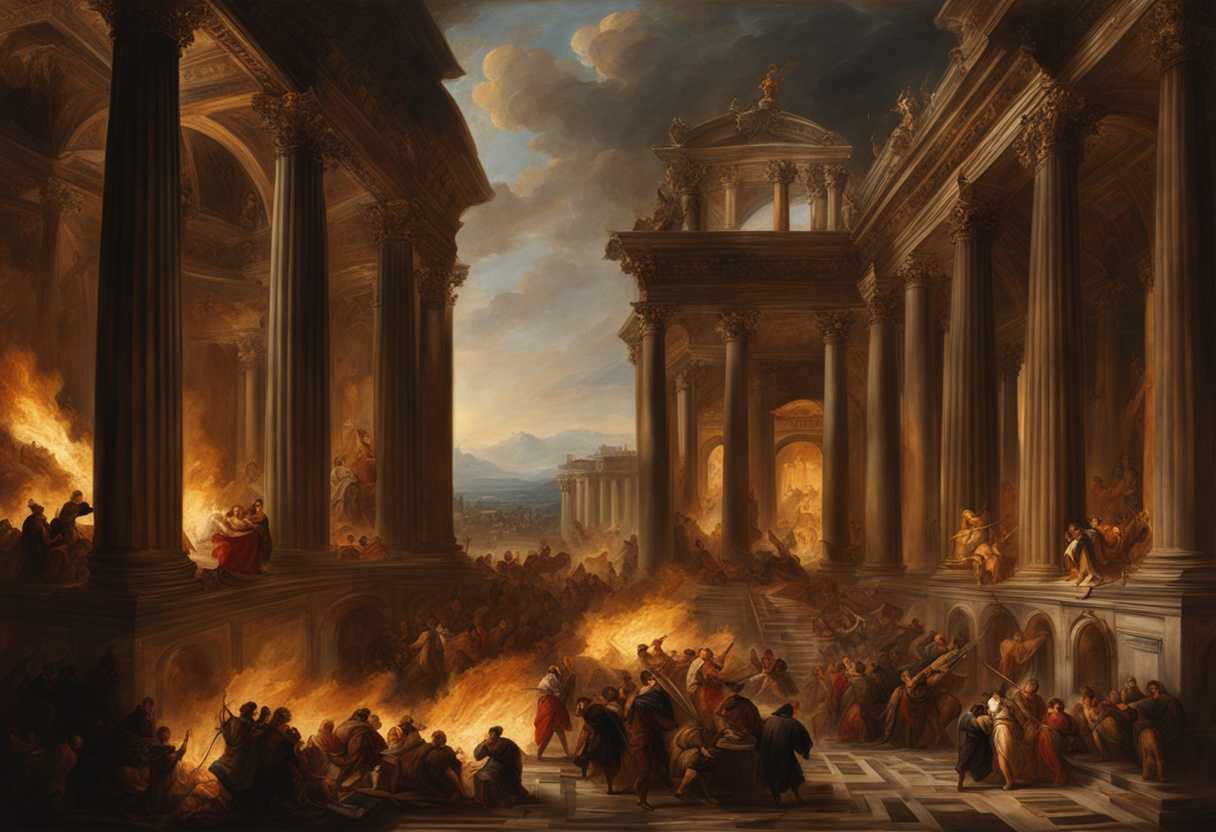
Setting the Scene for Ezekiel 30:13-19
In Ezekiel chapter 30, the prophet Ezekiel is called upon by God to deliver a message of judgment against Egypt. The scene unfolds in a vision where Ezekiel is transported by the Spirit of God to the land of Egypt. As he arrives, he sees a tumultuous and chaotic scene before him. The once mighty nation of Egypt is in turmoil, with its cities in ruins and its people in despair.
Ezekiel stands amidst the devastation, surrounded by the leaders and inhabitants of Egypt who are reeling from the destruction that has befallen them. The rulers of Egypt, including Pharaoh and his officials, are present, their faces filled with fear and disbelief at the fulfillment of Ezekiel’s prophecies. The common people are also gathered, their lives shattered by the calamity that has struck their land.
The atmosphere is heavy with the weight of God’s judgment, as Ezekiel proclaims the word of the Lord against Egypt. The once proud nation is now humbled before the power of God, as Ezekiel warns of further devastation to come if they do not turn from their wicked ways. The scene is a stark reminder of the consequences of disobedience and the faithfulness of God to uphold His word.
What is Ezekiel 30:13-19 about?
The prophet delivers a message of divine judgment upon Egypt and its allies for their sins against God’s chosen people in this verse from the book of Ezekiel. The harsh words of condemnation towards Egypt serve as a reminder that no nation is beyond the reach of God’s justice. It is a warning that even the most powerful nations will be held accountable for their actions and will face consequences for oppressing others. Contemplating on this verse reminds us of the importance of righteousness and justice in the eyes of God. It prompts us to reflect on our own actions and how they align with the values of compassion and fairness. This verse challenges us to consider how we treat others, especially those who are marginalized or oppressed, and reminds us that ultimately, God’s justice will prevail. It serves as a call to examine our own behavior and strive to live in a way that is pleasing to God, seeking justice and righteousness in all our interactions.
Understanding what Ezekiel 30:13-19 really means
Ezekiel 30:13-19 unveils a profound prophecy against Egypt, shedding light on the imminent judgment and desolation that will befall the nation and its cities. This passage, delivered by the prophet Ezekiel, serves as a stark reminder of God’s sovereignty over nations and His unwavering ability to execute His divine will. As we delve into the key phrases within these verses, we encounter powerful imagery that underscores the consequences of idolatry, the fleeting nature of earthly power, and the all-encompassing nature of God’s judgment.
“I will destroy the idols and put an end to the images in Memphis” signifies God’s righteous judgment against the false gods and idol worship rampant in Egypt, emphasizing the supremacy of the one true God. The proclamation that “There will no longer be a prince in Egypt” symbolizes the cessation of Egypt’s political authority, serving as a poignant reminder of the transience of human pride and worldly power. The devastation foretold upon significant cities like Upper Egypt, Zoan, and Thebes highlights the comprehensive nature of God’s impending judgment, leaving no corner untouched by His righteous wrath. The ominous declaration of darkness descending upon Tahpanhes paints a vivid picture of the severity of the impending desolation, symbolizing the absence of God’s favor and the consequences of disobedience.
Drawing parallels to related biblical passages such as Isaiah 19:1-4, Jeremiah 46:25-26, and Exodus 12:12, we witness a consistent theme of God’s judgment against idolatry and His ultimate authority over nations. These scriptures collectively emphasize the importance of recognizing and turning away from false gods and placing our trust solely in the one true God. In a contemporary context, Ezekiel’s prophecy serves as a poignant reminder of the transient nature of earthly power and the enduring sovereignty of God’s kingdom. It prompts individuals to introspect and identify modern forms of idolatry that may be hindering their relationship with God, such as materialism, power, or personal ambitions.
Consider the narrative of a prosperous individual who prioritized worldly success over spiritual growth, only to face a sudden downfall that forced them to reevaluate their priorities. This anecdote mirrors the fall of Egypt’s cities and idols, illustrating the stark contrast between human achievements and the eternal sovereignty of God. As we reflect on Ezekiel 30:13-19, we are challenged to examine our lives for areas where we may be placing our trust in idols rather than in God. Are there aspects of our lives that we prioritize above our faith, hindering our alignment with God’s will?
By delving into the profound truths encapsulated in Ezekiel’s prophecy against Egypt, we are encouraged to apply these timeless lessons to our lives today. Let us strive to acknowledge God’s sovereignty in our daily decisions, aligning our priorities with His will, and turning away from the idols that seek to distract us from the one true God.
What is the consequence of seeking power independently?
The consequence of seeking power independently is destruction and downfall. When individuals or nations pursue power on their own, without considering the guidance and blessings of God, they are at risk of facing negative consequences. The pride and arrogance that often accompany seeking power independently can lead to downfall and ruin, as seen in the passage. Those who sought power independently faced defeat and destruction due to their disobedience and disregard for God’s will in this passage from Ezekiel.
The passage illustrates that relying solely on one’s own strength and cunning to attain power is ultimately futile and leads to ruin. Rather, seeking power in alignment with God’s will and guidance ensures true success and blessings. Individuals can avoid the pitfalls of seeking power independently and instead experience God’s protection and favor by placing faith in Him and following His commands. The consequences of seeking power independently serve as a warning to those who are tempted to rely solely on their own abilities and disregard the sovereignty of God.
Application
Reflect on Ezekiel 30:13-19 and examine your life. Evaluate if you are truly spreading kindness and love to others as the Lord does for us. Let this introspection lead you to treat people with the same grace and care. Will you step up and embrace this opportunity to show love and serve others as we are meant to do?

Reverend Michael Johnson is an experienced Church Minister with a profound expertise in spirituality and guidance. With a serene presence and a compassionate heart, he has faithfully served his congregation for over 20 years, leading them on a spiritual journey towards inner peace and enlightenment. Reverend Johnson’s extensive knowledge of religious philosophies and profound understanding of human nature have made him a trusted confidant and mentor to many, as he seamlessly weaves his profound wisdom into life teachings. Reverend Johnson’s calming demeanor and empathetic nature continue to uplift and heal souls, nurturing a sense of unity and tranquility within his community.