
Ezekiel 33:17-20 is about the importance of individual accountability and righteousness before God, emphasizing that a person’s own actions and choices determine their fate, rather than relying on the righteousness of others or past deeds.
17 “Yet your people say, ‘The way of the Lord is not just,’ when it is their own way that is not just.”
18 When the righteous turns from his righteousness and does injustice, he shall die for it.
19 But if the wicked turn from their sins that they have committed and keep all my statutes and do what is just and right, they shall surely live; they shall not die.
20 Yet you say, ‘The way of the Lord is not just.’ O house of Israel, I will judge each of you according to his ways.”
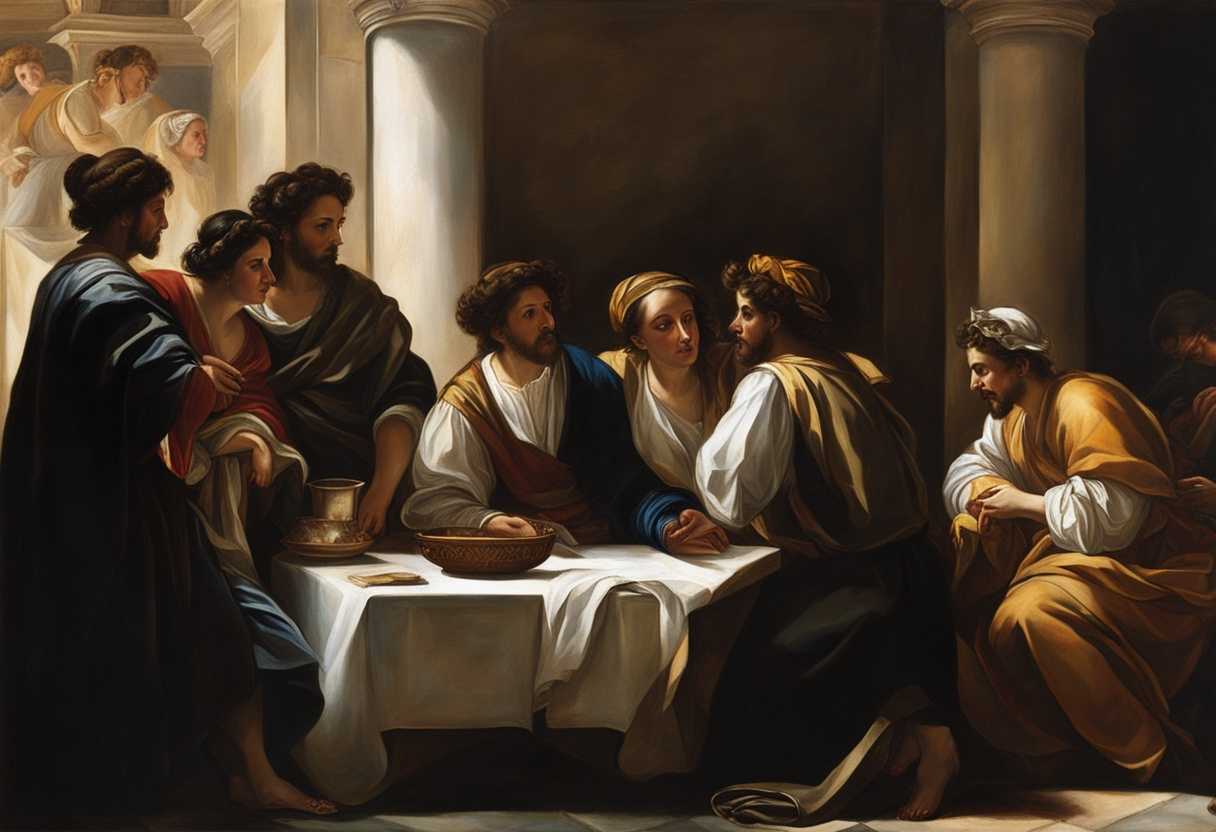
Setting the Scene for Ezekiel 33:17-20
In Ezekiel chapter 33, we find the prophet Ezekiel standing in the midst of a bustling marketplace in the city of Jerusalem. The sun beats down on the dusty streets as merchants call out to passersby, offering their wares. The smell of spices and livestock fills the air, creating a sensory overload for those navigating the crowded marketplace.
As Ezekiel stands in the midst of the chaos, a group of elders from the city approach him. These elders, known for their wisdom and influence in the community, have come to seek guidance from the prophet. They are concerned about the moral decay and spiritual apathy they see spreading among the people of Jerusalem. With furrowed brows and earnest expressions, they implore Ezekiel to intercede on behalf of the city and its inhabitants.
Surrounded by the sights and sounds of the marketplace, Ezekiel listens intently to the elders’ pleas. He knows the weight of their words and the gravity of the situation facing Jerusalem. With a heavy heart, he prepares to deliver a message from the Lord, calling the people to repentance and warning of the consequences of their actions. The scene is set for a powerful moment of prophetic proclamation and divine intervention in the bustling city streets.
What is Ezekiel 33:17-20 about?
This verse reminds us of the importance of personal responsibility and accountability. Regardless of our upbringing or family background, we are ultimately judged based on our own choices and actions. It is not enough to rely on our lineage or heritage to justify our behavior; we must strive to lead a life of integrity, compassion, and righteousness.
Think about the implications of this message in your own life. How does it affect your understanding of justice and fairness? It challenges us to take ownership of our actions and make conscious decisions that align with our values and beliefs. Rather than placing blame or credit on our family history, we must be mindful of the impact of our own choices on ourselves and those around us. Let us consider how we can live a life that honors our individual agency and contributes positively to the world as we reflect on this verse. How can we cultivate a sense of personal integrity and moral courage in all aspects of our lives? Let this message inspire us to strive for excellence and virtue, knowing that our actions, not our family background, define who we are.
Understanding what Ezekiel 33:17-20 really means
Ezekiel 33:17-20, found in the prophetic book of Ezekiel, serves as a poignant reminder of God’s justice and the significance of individual accountability. The passage delves into the people’s perception of God’s fairness, highlighting their misconception that His ways are unjust. However, God swiftly corrects this notion by asserting that it is the actions and attitudes of the people themselves that lack justice. This distinction underscores the crucial principle of personal responsibility, where one’s past righteousness does not excuse present wrongdoing. Conversely, the passage also illuminates God’s mercy and the potential for redemption through repentance and righteous living.
In Ezekiel 33:17-20, the phrases used carry profound meanings that resonate with themes of justice and personal conduct. The juxtaposition of the people’s criticism of God’s ways with His response emphasizing individual behavior serves as a powerful lesson in divine justice and human accountability. This passage aligns with other biblical verses such as Ezekiel 18:21-24, Isaiah 55:7, and Romans 2:6-8, which further emphasize the concepts of personal responsibility, repentance, and divine retribution based on one’s deeds.
The relevance of Ezekiel 33:17-20 extends beyond its historical context, speaking directly to contemporary issues of justice, accountability, and the potential for positive change. In a world where grievances and injustices abound, this passage prompts introspection and challenges individuals to consider their own actions and attitudes. It fosters a mindset of ownership and transformation, reminding us that while challenges may be present, the choice to pursue righteousness and redemption remains within our grasp.
Illustrating the message of Ezekiel 33:17-20 through anecdotes can further illuminate its significance. Stories of individuals who have faced adversity, taken responsibility for their actions, and experienced transformation can mirror the biblical principle of turning away from wrongdoing towards a life of righteousness. These narratives serve as tangible examples of the passage’s timeless wisdom and the potential for profound change through personal accountability and faith.
In conclusion, Ezekiel 33:17-20 serves as a beacon of guidance, urging us to reflect on our conduct, acknowledge our accountability, and embrace the possibility of redemption through righteous living. It instills confidence in God’s just nature and underscores the transformative power of repentance. This passage inspires us to uphold personal integrity, trust in divine justice, and strive for continual growth and renewal in our spiritual journey.
Do we reflect God’s righteousness in our actions?
God reminds us in Ezekiel 33:17-20 that when the righteous person turns away from their righteousness, they will die because of their sins. Similarly, when the wicked person turns from their wicked ways and does what is just and right, they will live. This passage emphasizes the importance of consistent righteousness in our actions. Reflecting God’s righteousness means not only doing what is right, but also staying faithful in our behavior and choices.
Our actions are a reflection of our character and values. When we consistently choose to do what is right and just, we demonstrate our commitment to following God’s ways. It is not enough to simply do good deeds sporadically; true righteousness is displayed in our daily choices and interactions with others. Being a reflection of God’s righteousness means living a life that aligns with His moral standards and values, even when faced with challenges or temptations. A genuine commitment to living a life of integrity, honesty, and justice ultimately reflects God’s righteousness. It involves striving to do what is right in all aspects of our lives, not just when it is convenient or easy. We honor God and serve as a light to those around us by aligning our actions with His righteousness, demonstrating the transformative power of living in accordance with His will.
Application
Let the words of Ezekiel 33:17-20 be a beacon guiding your steps towards righteousness. Take a moment to assess how your actions align with God’s will. Are you willing to make the necessary changes to live a life that honors Him? Join the ranks of those who strive to walk the path of faith and obedience. The time to heed His call is now. Will you answer?

Reverend Michael Johnson is an experienced Church Minister with a profound expertise in spirituality and guidance. With a serene presence and a compassionate heart, he has faithfully served his congregation for over 20 years, leading them on a spiritual journey towards inner peace and enlightenment. Reverend Johnson’s extensive knowledge of religious philosophies and profound understanding of human nature have made him a trusted confidant and mentor to many, as he seamlessly weaves his profound wisdom into life teachings. Reverend Johnson’s calming demeanor and empathetic nature continue to uplift and heal souls, nurturing a sense of unity and tranquility within his community.