
Ezekiel 37:1-10 is about the prophet Ezekiel being shown a vision of God’s power to bring renewal and restoration to the Israelites through the metaphor of dry bones being brought back to life.
1 The hand of the Lord was upon me, and he brought me out in the Spirit of the Lord and set me down in the middle of the valley; it was full of bones.
2 And he led me around among them, and behold, there were very many on the surface of the valley, and behold, they were very dry.
3 And he said to me, “Son of man, can these bones live?” And I answered, “O Lord God, you know.”
4 Then he said to me, “Prophesy over these bones, and say to them, O dry bones, hear the word of the Lord.”
5 Thus says the Lord God to these bones: Behold, I will cause breath to enter you, and you shall live.
6 And I will lay sinews upon you, and will cause flesh to come upon you, and cover you with skin, and put breath in you, and you shall live, and you shall know that I am the Lord.
7 So I prophesied as I was commanded. And as I prophesied, there was a sound, and behold, a rattling, and the bones came together, bone to its bone.
8 And I looked, and behold, there were sinews on them, and flesh had come upon them, and skin had covered them. But there was no breath in them.
9 Then he said to me, “Prophesy to the breath; prophesy, son of man, and say to the breath, Thus says the Lord God: Come from the four winds, O breath, and breathe on these slain, that they may live.”
10 So I prophesied as he commanded me, and the breath came into them, and they lived and stood on their feet, an exceedingly great army.
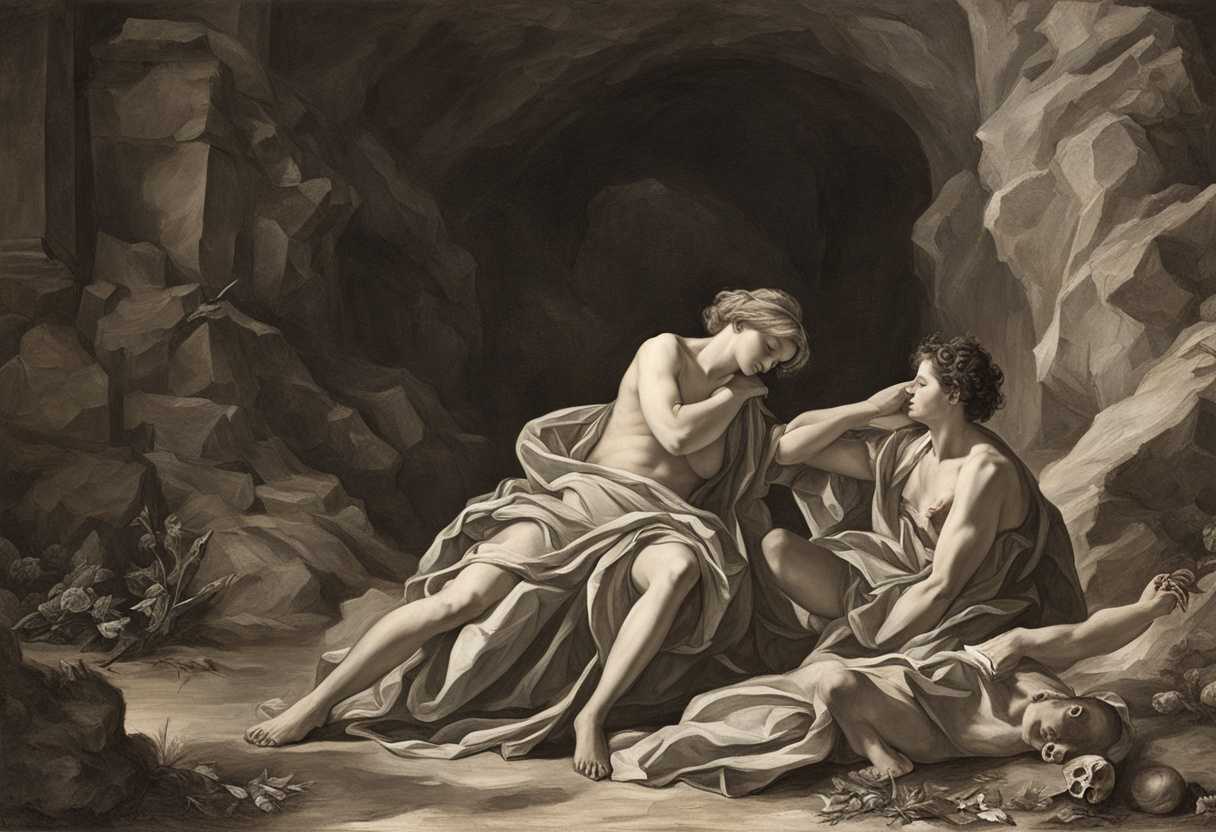
Setting the Scene for Ezekiel 37:1-10
In Ezekiel chapter 37, the prophet Ezekiel finds himself in a valley filled with dry bones. The scene is desolate and eerie, with the sun beating down on the lifeless remains scattered across the ground. Ezekiel is alone in this valley, surrounded by the remnants of what once were living beings. The bones are dry and bleached, a stark contrast to the vibrant life that Ezekiel is accustomed to.
As Ezekiel stands in the midst of this valley of dry bones, he is filled with a sense of awe and wonder at the sight before him. The bones represent the people of Israel who have lost hope and are spiritually dead. God instructs Ezekiel to prophesy to the bones, commanding them to come to life. As Ezekiel speaks the words given to him by God, a miraculous transformation takes place. The bones begin to come together, sinews and flesh cover them, and finally, breath enters them, bringing them back to life. The valley that was once filled with death and despair is now teeming with a vast army of living beings, a powerful symbol of God’s ability to bring life out of death and hope out of despair.
What is Ezekiel 37:1-10 about?
We witness a remarkable vision of hope and renewal in this powerful verse from Ezekiel. Imagine standing in a vast valley filled with dry, lifeless bones—symbolizing the state of despair and hopelessness that the people of Israel were experiencing at that time. The scene might seem bleak and devoid of any possibility of revival. But then, through the eyes of Ezekiel, we see the incredible power of God at work. God commands Ezekiel to prophesy over these bones, speaking life into them, symbolizing God’s promise to bring restoration and renewal to Israel despite their desolation. Reflect on this verse as you consider the significance of God’s ability to bring life to what was once dead. How might this idea of God’s power to resurrect dry bones resonate with moments of personal struggle or despair in your own life? We are reminded that there is always hope for renewal and transformation, even in the most desolate circumstances, just as God breathed life into the dry bones in Ezekiel’s vision. Through this verse, we are encouraged to trust in God’s promise of restoration and to have faith that even in our darkest moments, God’s power to bring life and renewal is always present.
Understanding what Ezekiel 37:1-10 really means
The Book of Ezekiel, penned by the prophet Ezekiel, is a treasure trove of visions and prophecies, each carrying profound messages. Among these, Ezekiel 37:1-10 stands out as a vivid and potent vision known as the “Valley of Dry Bones.” In this vision, Ezekiel finds himself in a valley filled with dry bones, a stark representation of desolation and hopelessness. However, at God’s command, Ezekiel prophesies to the bones, and a miraculous transformation unfolds before his eyes: the bones come together, are covered with flesh, and are infused with breath, coming to life as a vast army.
One key phrase in this passage, “The hand of the Lord was upon me,” signifies divine guidance and empowerment. It underscores that Ezekiel’s vision is not of his own making but is orchestrated by God Himself. The command to “Prophesy to these bones” highlights the transformative power of God’s word. It serves as a potent reminder that even the most lifeless and despairing situations can be turned around through divine intervention. As “Breath entered them; they came to life,” the imagery of breath symbolizing the Spirit of God bringing life and renewal is a powerful depiction of resurrection and restoration.
Connecting Ezekiel’s vision to other biblical passages enriches our understanding. Genesis 2:7, where God breathes life into Adam, parallels the breath entering the dry bones, emphasizing God as the giver of life. John 11:25’s proclamation by Jesus as the resurrection and the life echoes the theme of new life found in Ezekiel’s vision. Revelation 21:5’s promise of making everything new speaks to the ultimate renewal and restoration that God offers to His people.
The relevance of Ezekiel’s vision to people today is profound. Just as the dry bones represented hopelessness for Israel, individuals today often face seemingly insurmountable challenges. This passage serves as a beacon of hope, reminding us that no situation is beyond God’s transformative power. It inspires trust in God’s ability to renew and restore amidst brokenness and decay. The act of prophesying to the bones underscores the importance of speaking God’s truth into our lives, highlighting the transformative power of aligning our words with His will.
Illustrating this message with anecdotes can further deepen its impact. Picture a devastated community slowly rebuilding after a disaster, akin to the dry bones coming back to life. Personal testimonies of overcoming challenges can serve as modern-day parallels to Ezekiel’s vision, showcasing the power of faith and God’s restorative hand. In conclusion, Ezekiel 37:1-10 stands as a timeless testament to God’s ability to breathe life and hope into the most desolate circumstances. It calls us to trust in His renewing power and be agents of transformation in a world in need of restoration.
How can our spiritual lives be revitalized?
Our spiritual lives can be revitalized by remembering that just as the dry bones in the valley were brought back to life through God’s spirit, our own dry and weary souls can be rejuvenated by inviting the Holy Spirit to breathe new life into us. We need to allow God to breathe His life-giving spirit into the depths of our being, revitalizing our faith and renewing our passion for Him. We open ourselves up to His transformative power by humbling ourselves before God and seeking His guidance and direction. We can speak the truth of God’s word over our lives, believing in His promises and trusting in His faithfulness to bring restoration and revival, just as Ezekiel prophesied to the bones and they came together. Through prayer, worship, and immersing ourselves in the Scriptures, we can experience a deep and lasting revival in our spiritual walk. Let us fix our eyes on the One who gives life abundantly, not growing weary or losing hope. We can experience a revitalization of our faith, a stirring of our spirits, and a renewal of our commitment to following Him wholeheartedly by surrendering our hearts to God and allowing Him to work in and through us.
Application
Imagine your daily grind at work or juggling family duties, feeling drained and lifeless. Just as Ezekiel saw dry bones come alive, believe that even your toughest challenges can spark with new life. God calls you to speak hope and energy into these dry areas. Take a moment now—speak life into your job, your family, your dreams. Will you answer this call and transform your world today?

Reverend Michael Johnson is an experienced Church Minister with a profound expertise in spirituality and guidance. With a serene presence and a compassionate heart, he has faithfully served his congregation for over 20 years, leading them on a spiritual journey towards inner peace and enlightenment. Reverend Johnson’s extensive knowledge of religious philosophies and profound understanding of human nature have made him a trusted confidant and mentor to many, as he seamlessly weaves his profound wisdom into life teachings. Reverend Johnson’s calming demeanor and empathetic nature continue to uplift and heal souls, nurturing a sense of unity and tranquility within his community.