
Ezekiel 6:14 is about God’s proclamation of judgment and punishment upon the people who have strayed from Him and turned to idolatry, highlighting the consequences of forsaking their faith and the importance of remaining faithful to God.
14 And I will stretch out my hand against them and make the land desolate and waste, in all their dwelling places, from the wilderness to Riblah. Then they will know that I am the Lord.
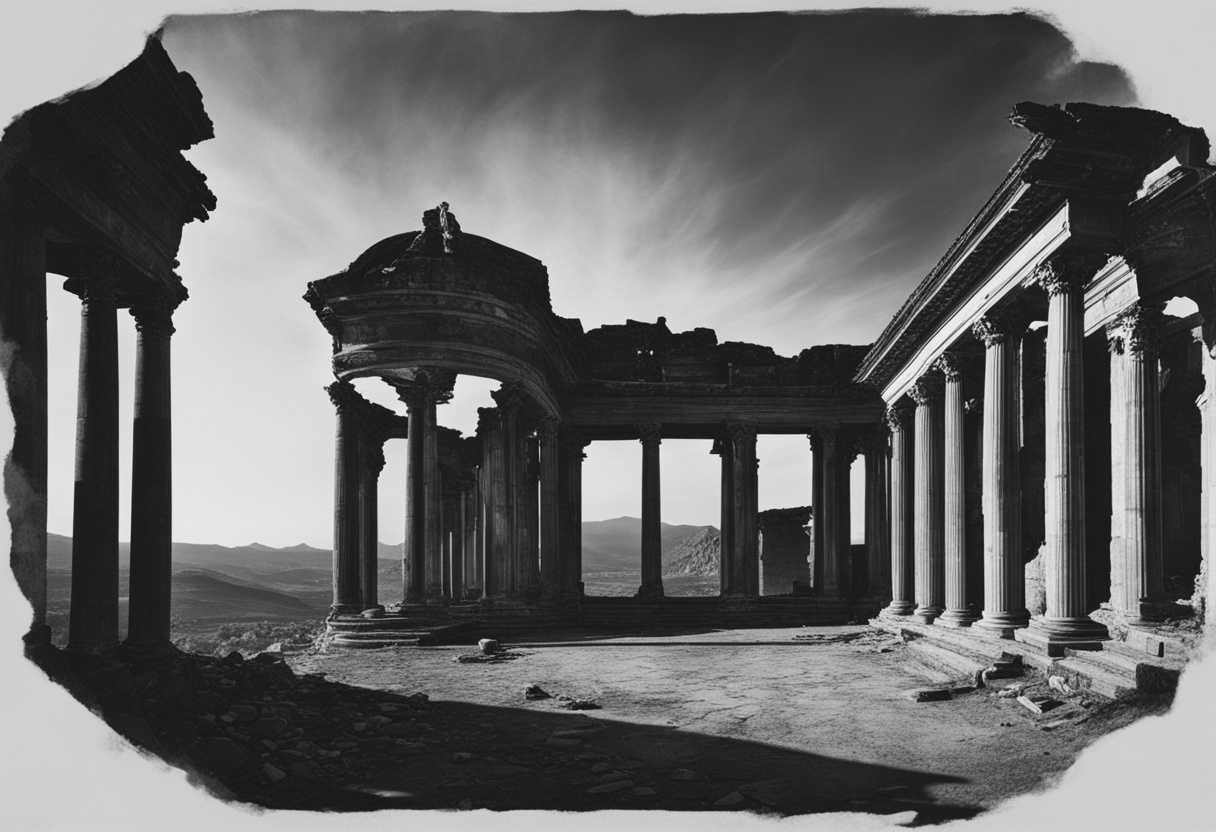
Setting the Scene for Ezekiel 6:14
In Ezekiel chapter 6, the prophet Ezekiel finds himself in a vision from the Lord, standing in the midst of a desolate and barren land. The scene is set in the ancient kingdom of Judah, a land that has turned away from God and is now facing the consequences of their disobedience. Ezekiel is surrounded by a group of elders from the exiled community of Judah, who have gathered to hear the word of the Lord through him.
The elders, weary and downtrodden from their exile, have come to Ezekiel seeking guidance and understanding in the midst of their suffering. As Ezekiel speaks the words of the Lord to them, they listen intently, their faces reflecting a mix of fear, sorrow, and hope. The landscape around them is bleak, with the remnants of destroyed idols and altars scattered about, serving as a stark reminder of the idolatry and sin that led to their current predicament.
As Ezekiel continues to prophesy about the impending judgment and restoration of Judah, the elders hang on his every word, their hearts heavy with the weight of their transgressions. Yet, amidst the despair, there is a glimmer of hope as Ezekiel also speaks of God’s faithfulness and promise of redemption for those who repent and turn back to Him. The scene is one of solemn reflection and anticipation, as the elders grapple with the harsh reality of their situation while clinging to the hope of God’s mercy and restoration.
What is Ezekiel 6:14 about?
This verse conveys the idea that the actions and judgments of the Lord will ultimately reveal His power and authority to all. When God’s judgment comes upon individuals or nations, it serves as a moment of reckoning and a demonstration of His sovereignty. It is a reminder that ultimately, God is in control, and His will shall prevail. Do we recognize the authority of God in our lives, or do we sometimes stray from His path? Do we understand the consequences of our actions, knowing that ultimately, we will be held accountable for our choices? Reflect on how this verse challenges us to be mindful of our faith and actions, understanding that our recognition of God’s lordship is essential in navigating life’s challenges and trials. We should remember that as we ponder this verse, we should not fear God’s judgments, but rather see them as a sign of His love and guidance. Through His judgments, God leads us back to Him, offering us opportunities for growth and transformation. His teachings embrace us, reassuring that in His divine wisdom, there is always a path to redemption and salvation.
Understanding what Ezekiel 6:14 really means
Ezekiel, a prophet during the Babylonian exile, delivered messages of warning and repentance to the people of Israel. In Ezekiel 6:14, God’s impending judgment on Israel for their idolatry and disobedience is vividly portrayed. The phrase “Stretch out my hand against them” signifies God’s active intervention and judgment, emphasizing His deliberate and powerful action. The term “Desolate waste” paints a picture of complete destruction and abandonment, serving as a stark warning of the consequences of turning away from God. The reference “From the wilderness to Diblah” symbolizes the extensive reach of God’s judgment, leaving no part of the nation untouched.
In related biblical passages like Jeremiah 25:33 and Isaiah 5:25, we see consistent themes of widespread devastation and God’s anger manifested through His outstretched hand. These passages reinforce the seriousness of divine judgment. However, Revelation 3:19 offers a perspective of God’s reproof and discipline as acts of love aimed at bringing about repentance and restoration. Today, Ezekiel 6:14 remains relevant as a reminder of the gravity of turning away from God and the repercussions of persistent disobedience. It urges us to reflect on our lives, seek repentance, and realign with God’s will.
Consider a parent warning a child about playing in the street. Despite repeated cautions, the child persists in disobedience. Eventually, the parent must take firmer action out of love and concern for the child’s safety. Similarly, God’s judgment in Ezekiel is not solely punitive but serves to guide His people back to safety and right relationship with Him. This analogy illustrates that God’s justice, as depicted in Ezekiel, is rooted in love and a desire for His people’s well-being.
In conclusion, Ezekiel 6:14 stands as a poignant reminder of God’s justice and the outcomes of disobedience. It prompts us to introspect, seeking a deeper, more obedient connection with God. By delving into the historical context and related scriptures, we grasp the broader narrative of God’s call for repentance and restoration. Let us heed the warnings of Ezekiel, turning back to God with contrite hearts and a renewed commitment to walk in His ways.
How does pride prevent us from humbling ourselves?
Pride prevents us from humbling ourselves by causing us to rely on our own strength and abilities instead of acknowledging our need for God’s help and guidance. When we are filled with pride, we become self-reliant and may believe that we do not need to seek forgiveness or guidance from God. This attitude of self-sufficiency hinders us from humbling ourselves before God and seeking his mercy and wisdom.
Furthermore, pride can blind us to our own faults and shortcomings, making it difficult for us to recognize the need for repentance and humility. Instead of acknowledging our mistakes and seeking forgiveness, pride can lead us to justify our actions and hold onto a sense of self-righteousness. This arrogance can prevent us from admitting our wrongdoings and asking for God’s mercy and forgiveness, keeping us from truly humbling ourselves before Him.
Application
Let’s strip away the distractions that pull us away from what truly matters. Embrace the call to dedicate ourselves wholeheartedly to what is essential, leaving behind anything that hinders us. It’s time to prioritize our relationship with the divine and remove all obstacles standing in the way. Can you hear the whisper urging you to commit fully to the path leading to inner peace and fulfillment?

Reverend Michael Johnson is an experienced Church Minister with a profound expertise in spirituality and guidance. With a serene presence and a compassionate heart, he has faithfully served his congregation for over 20 years, leading them on a spiritual journey towards inner peace and enlightenment. Reverend Johnson’s extensive knowledge of religious philosophies and profound understanding of human nature have made him a trusted confidant and mentor to many, as he seamlessly weaves his profound wisdom into life teachings. Reverend Johnson’s calming demeanor and empathetic nature continue to uplift and heal souls, nurturing a sense of unity and tranquility within his community.