
Ezra 2:21-35 is about the return of the exiled people of Israel to their homeland, symbolizing restoration, redemption, and the fulfillment of God’s promise to his people.
21 The sons of Bethlehem, one hundred twenty-three.
22 The men of Netophah 56, 56, 56, 56, 56, 56, 56, 56, 56, 56, 56, 56, 56, 56, 56, 56, 56, 56, 56, 56, 56, 56, 56, 56, 56, 56, 56, 56, 56, 56, 56, 56, 56, 56, 56, 56, 56, 56, 56, 56, 56, 56, 56, 56, 56, 56, 56, 56, 56, 56, 56, 56, 56, 56, 56, 56, 56, 56, 56, 56, 56, 56, 56, 56, 56, 56, 56, 56, 56, 56, 56, 56, 56, 56, 56, 56, 56, 56, 56, 56, 56, 56, 56, 56, 56, 56, 56, 56, 56, 56, 56, 56, 56, 56, 56, 56, 56, 56, 56, 56, 56
23 The men of Anathoth, 128.
24 The sons of Azmaveth, forty-two.
25 the sons of Kiriath-arim, Chephirah, and Beeroth, 743
26 the sons of Ramah and Geba, 621
27 the men of Ramah and Geba, 621
28 The men of Bethel and Ai, 223.
29 the men of Kiriath-jearim, Chephirah, and Beeroth, seven hundred and forty-three.
30 The men of Ramah and Geba, 621.
31 The people of the other Elam, 1,254.
32 These were the people of Tel-melah, Tel-harsha, Cherub, Addan, and Immer, but they could not prove their fathers’ houses or their descent, whether they belonged to Israel:
33 the men of the other Nebo, fifty-two.
34 The sons of Jericho, 345
35 The sons of Senaah: 3,630.
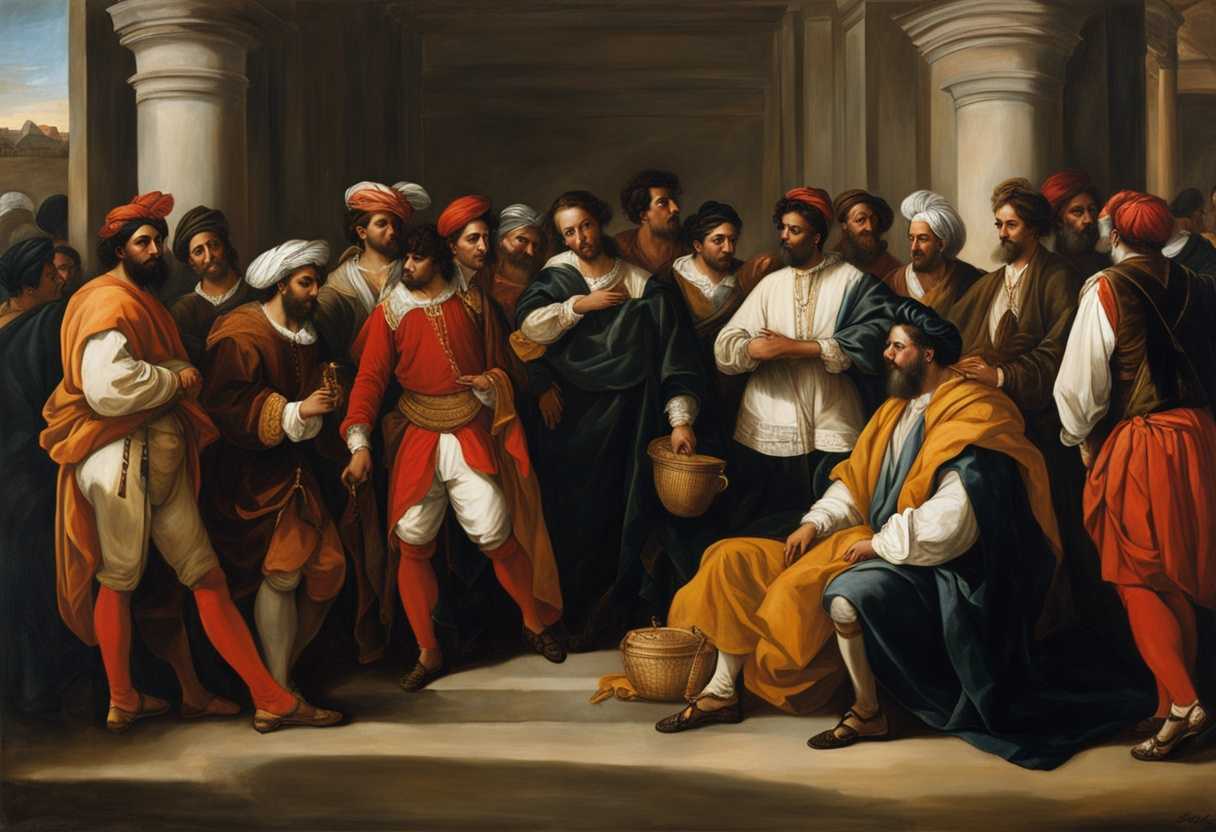
Setting the Scene for Ezra 2:21-35
In Ezra chapter 2, we find a scene set in the ancient city of Jerusalem shortly after the Israelites have returned from exile in Babylon. The city is bustling with activity as the people work together to rebuild their lives and their sacred temple. The sun is setting, casting a warm glow over the city walls and the surrounding hills.
Among the crowd gathered in the city square are the families of the priests and Levites, who have come together to take stock of their numbers and prepare for their duties in the temple. They are joined by other returning exiles, each with their own stories of hardship and hope. The air is filled with a sense of determination and gratitude as they recount their journey back to their homeland.
As the names of the priests and Levites are called out one by one, there is a sense of reverence and awe at the faithfulness of God in preserving His people through their trials. The scene is a poignant reminder of the power of community and faith in overcoming adversity, and a testament to the resilience of the human spirit in the face of challenges.
What is Ezra 2:21-35 about?
This verse highlights the return of various groups of people, such as priests, Levites, singers, gatekeepers, and temple servants, from exile. It demonstrates the importance of community and the collective effort in rebuilding after a period of strife. The mention of these specific groups also emphasizes the significance of each individual’s role within the community and the temple.
Have you ever wondered about the power of unity and collaboration in overcoming challenges? This verse serves as a reminder that when different groups come together with a shared purpose, they can achieve great things. Each group mentioned plays a unique and essential part in the restoration process, underscoring the idea that every individual has a role to play in the bigger picture. Let’s consider how we can apply this message to our own lives as we reflect on this verse. How can we work together with others, each contributing our strengths and talents, to tackle obstacles and achieve our goals? We too can find strength in community and collective effort as we navigate our own journeys, just as these families returned from exile stronger and more united.
Understanding what Ezra 2:21-35 really means
The Book of Ezra provides a glimpse into the return of Jewish exiles from Babylon and the reconstruction of the Temple in Jerusalem. In Ezra 2:21-35, we encounter a detailed account of the families and individuals who journeyed back to Jerusalem and Judah, highlighting the significance of community and heritage in their restoration efforts. The repetition of phrases like “The children of” underscores the continuity of the Jewish lineage, emphasizing the importance of preserving their identity and traditions through generations. Similarly, the mention of “The men of” signifies a collective endeavor, showcasing that the return was a unified effort involving the entire community.
Moreover, the reference to “Their villages” in the passage goes beyond the rebuilding of the Temple, indicating the restoration of everyday life and homes for the people. This broader focus on community rebuilding reflects a holistic approach to renewal, encompassing both spiritual and practical aspects of their existence. Parallel accounts in Nehemiah 7:6-73 offer additional insights into the returnees’ experiences, reinforcing the themes of community solidarity and shared history depicted in Ezra. The emotional depth of gratitude and joy expressed in Psalm 126:1-3 further enriches our understanding of the exiles’ return, highlighting the profound impact of their homecoming.
In a contemporary context, the lessons from Ezra 2:21-35 resonate strongly, reminding us of the enduring values of community, heritage, and collective effort. In a world often dominated by individualism, this passage serves as a poignant reminder of the strength and support found in coming together as a community with a shared history. Just as each family and individual played a vital role in the restoration of Jerusalem, we are encouraged to reflect on our own contributions to the well-being and continuity of our communities and heritage.
Consider a scenario where a small town rallies together after a natural disaster, rebuilding homes, schools, and places of worship. Each person’s involvement is crucial to the community’s revival, mirroring the collaborative spirit seen in the return of the exiles in Ezra. This anecdote illustrates the power of collective effort in overcoming challenges and rebuilding what was lost. As we contemplate the significance of community and shared history in our lives, we are prompted to consider how we can actively contribute to the betterment of our communities and foster a sense of togetherness in our daily interactions.
In conclusion, while Ezra 2:21-35 may appear as a mere list of names and numbers, it carries profound messages about the essence of community, heritage, and collective endeavor. By internalizing these principles and applying them in our lives, we have the opportunity to strengthen our communities, honor our shared histories, and forge deeper connections with those around us. Let us heed the timeless wisdom embedded in this passage, embracing the power of unity and collaboration in shaping a more cohesive and resilient society.
How can we find and embrace our true roots?
To find and embrace our true roots, we must look back to our ancestry and heritage. Our roots are deeply interconnected with our history and where we come from. Understanding our lineage, traditions, and cultural background can help us gain a better sense of self-awareness and identity. We should also explore our own family history and roots to truly understand who we are and where we come from, just as the verse in Ezra lists the different families and clans returning to Jerusalem.
Embracing our true roots also involves honoring and celebrating our heritage. This can mean participating in cultural traditions, learning about our ancestors’ journeys and struggles, and acknowledging the values that have been passed down through generations. We can cultivate a deeper connection to our roots and feel a sense of pride in our background by immersing ourselves in our heritage. Like the returning exiles in Ezra who banded together with their families, embracing our roots can also strengthen our sense of community and belonging with those who share a similar ancestry. We acknowledge the foundation upon which we stand by embracing our true roots. Understanding our roots can provide a sense of stability and grounding, helping us navigate through life’s challenges with a stronger sense of self. By tapping into the wisdom and resilience passed down through generations, we honor our ancestors and enrich our own lives by embracing our heritage.
Application
Reflect on the names etched in your spiritual lineage, they weave a tapestry of faith that binds you to the past and propels you towards the future. Honor their legacy by living a life that echoes with lasting impact, a narrative that uplifts both family and community. As you delve into these verses, let them be more than words on a page – let them stir a fire within you to craft a legacy that inspires generations beyond your own. Will you seize this moment to write your chapter in the story of faith, a part of a greater narrative that echoes through time?

Reverend Michael Johnson is an experienced Church Minister with a profound expertise in spirituality and guidance. With a serene presence and a compassionate heart, he has faithfully served his congregation for over 20 years, leading them on a spiritual journey towards inner peace and enlightenment. Reverend Johnson’s extensive knowledge of religious philosophies and profound understanding of human nature have made him a trusted confidant and mentor to many, as he seamlessly weaves his profound wisdom into life teachings. Reverend Johnson’s calming demeanor and empathetic nature continue to uplift and heal souls, nurturing a sense of unity and tranquility within his community.