
Ezra 3:4-6 is about the returning exiles reestablishing the worship of God by laying the foundation for the rebuilt temple and offering sacrifices, symbolizing the renewal and restoration of their faith and relationship with God after a period of exile and spiritual neglect.
4 And they kept the Feast of Booths, as it is written, and offered the daily burnt offerings by number according to the rule, as each day required,
5 and after that the regular burnt offerings, the offerings at the new moon and at all the appointed feasts of the Lord, and the offerings of everyone who made a freewill offering to the Lord.
6 From the first day of the seventh month they began to offer burnt offerings to the Lord. But the foundation of the temple of the Lord was not yet laid.
Setting the Scene for Ezra 3:4-6
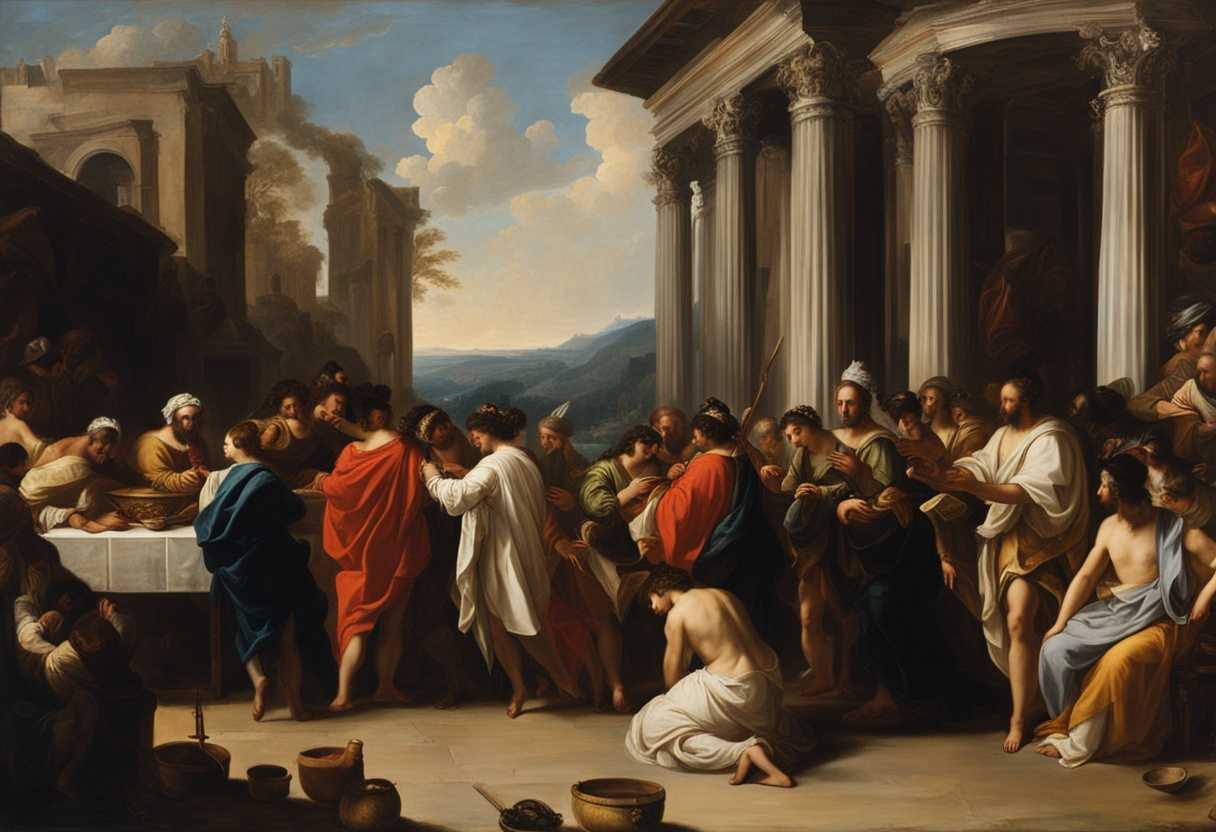
In Ezra chapter 3, we find a poignant scene unfolding in Jerusalem. The exiled Israelites have returned to their homeland after years of captivity in Babylon. Led by Zerubbabel, the governor, and Jeshua, the high priest, the people have gathered together to rebuild the temple of the Lord. The setting is one of both devastation and hope, as the ruins of the once magnificent temple lay before them, a stark reminder of their past sins and the consequences they faced.
As the people come together, there is a sense of unity and purpose among them. They are determined to restore the worship of their God and to reestablish their identity as His chosen people. The scene is filled with a mix of emotions – there is joy and gratitude for the opportunity to rebuild, but also a somber acknowledgment of the challenges that lie ahead. The sound of hammers and tools fills the air as the people work tirelessly to lay the foundation of the new temple, a symbol of their commitment to God and their desire to honor Him once more.
Amidst the rubble and ruins, the faith of the Israelites shines brightly. Despite the hardships they have faced, they are filled with a renewed sense of purpose and determination. As they work together to rebuild the temple, their hearts are lifted in praise and thanksgiving to the God who has brought them back to their land and given them a second chance. The scene in Jerusalem is a powerful reminder of God’s faithfulness and the resilience of His people, as they come together to rebuild not just a physical structure, but also their spiritual connection to the Lord.
What is Ezra 3:4-6 about?
The Israelites in Ezra 3:4-6 took a significant step in their faith by rebuilding the altar and resuming sacrifices in Jerusalem. This act symbolizes a renewal of their commitment to worshiping and honoring God. It marks a moment of repentance, restoration, and reconnection to their spiritual roots after years of exile and separation.
Imagine the joy and hope that must have filled the hearts of the Israelites as they took part in this sacred task! The rebuilding of the altar not only signified a physical rebuilding of a structure but also a rebuilding of their relationship with God. It was a tangible expression of their faith and dedication to following God’s commands. Let us reflect on this verse and consider the significance of recommitting ourselves to our spiritual practices and worship. Let us also examine our own faith journey and see where we may need to renew our dedication to God, just as the Israelites prioritized the rebuilding of the altar and the resumption of sacrifices. Let us strengthen our relationship with the Divine through acts of worship, repentance, and obedience, inspired by their example.
Understanding what Ezra 3:4-6 really means
The Book of Ezra recounts the return of the Jewish exiles from Babylon and the rebuilding of the Temple in Jerusalem. Ezra 3:4-6 specifically describes the reestablishment of religious practices, including the celebration of the Feast of Tabernacles and the offering of sacrifices. “They kept the Feast of Booths as it is written” highlights the importance of adhering to the traditions and commandments as prescribed in the Law of Moses. The Feast of Booths, or Sukkot, is a time of joyous celebration and remembrance of God’s provision during the Israelites’ 40 years in the wilderness. “They offered the daily burnt offerings by number according to the rule, as each day required” signifies the meticulous observance of daily sacrifices, emphasizing the importance of regular, disciplined worship and devotion to God. “From the first day of the seventh month they began to offer burnt offerings to the Lord” marks a new beginning and a recommitment to God, symbolizing renewal and restoration.
Leviticus 23:33-43 provides detailed instructions for the Feast of Booths, underscoring its significance and the joy associated with it. Nehemiah 8:14-18 describes a similar revival of the Feast of Booths during Nehemiah’s time, reinforcing the theme of returning to God’s commandments. Romans 12:1, where Paul urges believers to offer their bodies as living sacrifices, draws a parallel to the daily offerings mentioned in Ezra. Just as the Israelites recommitted themselves to God after returning from exile, people today can find hope and renewal in returning to their faith, especially after periods of hardship or spiritual dryness. The daily offerings remind us of the importance of regular, disciplined spiritual practices. In a fast-paced world, setting aside time for prayer, reading Scripture, and worship can ground us and keep us connected to God. Celebrating religious festivals and traditions can strengthen community bonds and provide a sense of continuity and identity.
Imagine a family that has drifted apart over the years due to various life circumstances. One year, they decide to reunite for a traditional family holiday. They follow the old customs, share stories, and rekindle their relationships. This reunion brings a sense of renewal and strengthens their bond. Similarly, returning to spiritual practices and traditions can renew our relationship with God and with our faith community. The passage in Ezra 3:4-6 is a powerful reminder of the importance of returning to God, adhering to His commandments, and the joy that comes from communal worship and celebration. It encourages us to find renewal in our faith and to maintain a disciplined approach to our spiritual lives.
How can we prioritize spiritual rituals in our lives?
Prioritizing spiritual rituals in our lives is vital as they serve as a way to connect with our faith, cultivate inner peace, and strengthen our relationship with the divine. By engaging in these rituals regularly, we not only honor and worship our beliefs but also create a sense of purpose and sacredness in our daily lives. We too can prioritize rebuilding the altar and observing the appointed festivals, just as the people in Ezra did.
Through prioritizing spiritual rituals, we remind ourselves of the values and principles that guide our lives, grounding us in a foundation of faith and mindfulness. These rituals enable us to seek solace and spiritual sustenance, especially during challenging times, fostering a sense of resilience and hope. We infuse our lives with meaning, intention, and a sense of spiritual connectedness by recognizing the importance of these practices and integrating them into our daily routines.
Application
Let us unite like a well-oiled team in the boardroom, let’s pull together like a tight-knit family at the dinner table. Gather with fellow believers, offer your sacrifices of praise, and dedicate yourself anew to serving God. Are you ready to dive in, ready to lead by example, to honor God in every circumstance?

Reverend Michael Johnson is an experienced Church Minister with a profound expertise in spirituality and guidance. With a serene presence and a compassionate heart, he has faithfully served his congregation for over 20 years, leading them on a spiritual journey towards inner peace and enlightenment. Reverend Johnson’s extensive knowledge of religious philosophies and profound understanding of human nature have made him a trusted confidant and mentor to many, as he seamlessly weaves his profound wisdom into life teachings. Reverend Johnson’s calming demeanor and empathetic nature continue to uplift and heal souls, nurturing a sense of unity and tranquility within his community.