
Ezra 3:9 is about the people coming together in unity to work on rebuilding the temple of the Lord, symbolizing a collective effort to restore faith, worship, and community after a period of exile and destruction.
9 And Jeshua with his sons and his brothers, and Kadmiel and his sons, the sons of Judah, together supervised the workmen in the house of God, along with the sons of Henadad and the Levites, their sons and brothers.
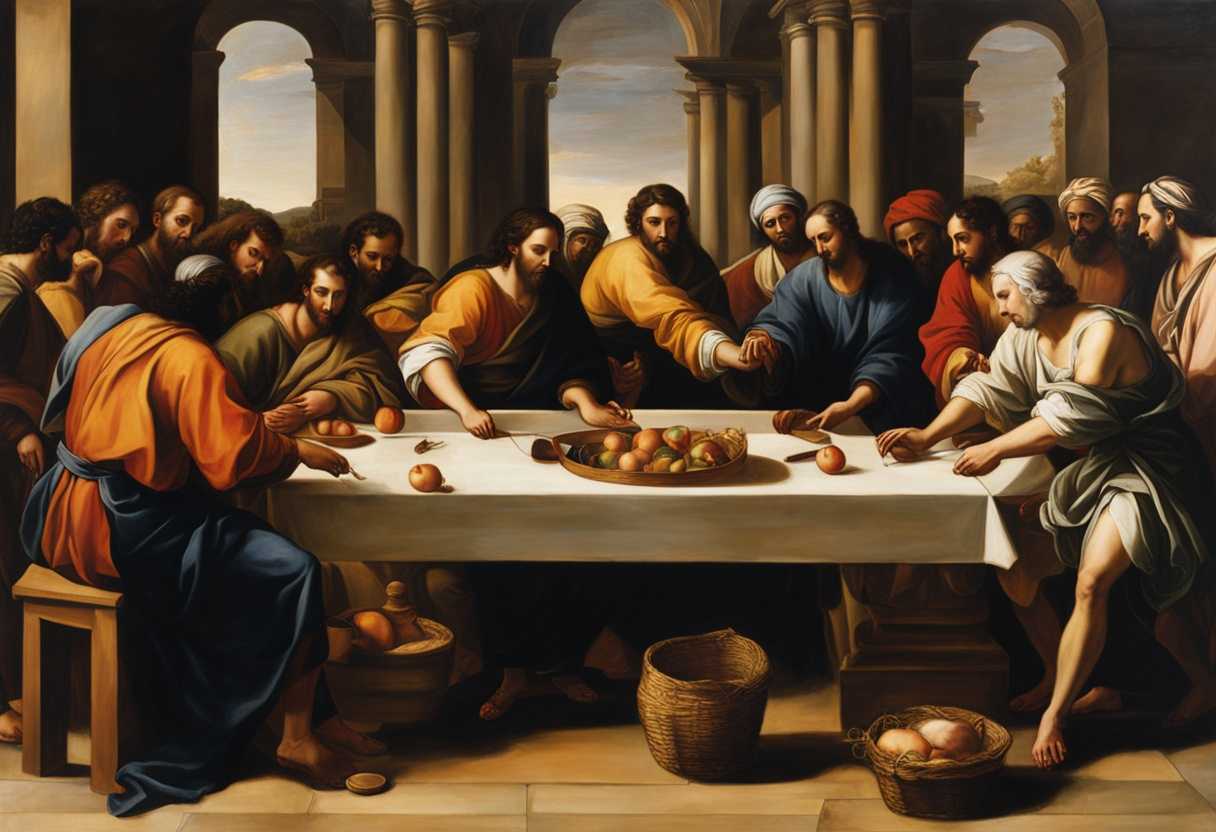
Setting the Scene for Ezra 3:9
In Ezra 3:9, we find a poignant scene unfolding in Jerusalem after the Israelites had returned from exile in Babylon. The exiles, led by Zerubbabel and Jeshua, had come back to their homeland with a burning desire to rebuild the temple of the Lord. As they arrived in Jerusalem, they wasted no time in getting to work on this monumental task.
The setting is the ruins of the once magnificent temple of Solomon, now reduced to rubble and desolation. The Israelites, filled with a mix of emotions – hope, determination, and perhaps a tinge of sadness at the sight before them – gather together to lay the foundation of the new temple. The scene is filled with a sense of purpose and unity as the people, young and old, rich and poor, work side by side in harmony to restore the worship of their God.
The sound of trumpets and cymbals fills the air as the priests, dressed in their sacred garments, lead the people in worship and thanksgiving. The scene is a powerful symbol of renewal and faith as the Israelites, against all odds, begin the monumental task of rebuilding their spiritual center. It is a moment of great significance, marking the beginning of a new chapter in the history of God’s people.
What is Ezra 3:9 about?
The people of Israel come together to rebuild the temple after years of exile in Babylon, as seen in Ezra 3:9. The act of laying the foundation with praise and thanksgiving is a symbol of the community’s faith and resilience in the face of adversity. The people are demonstrating their unwavering trust in God’s guidance and provision by choosing to start this monumental task with songs of gratitude and rejoicing.
Imagine the scene: a group of exiled individuals, returning to their homeland to rebuild a sacred place of worship. Despite the challenges they have faced and the uncertainty of the future, they gather together in unity to give thanks and praise for the opportunity to restore what was once lost. This verse serves as a powerful reminder that even in times of struggle and hardship, turning to God with thanksgiving and praise can lay the foundation for a brighter tomorrow.
So, as we reflect on Ezra 3:9, let us be inspired by the faith and determination of the Israelites. Starting with a heart full of gratitude and lifting our voices in praise can set the stage for miracles to unfold in our own journeys of rebuilding and restoration. May we find the strength and courage to lay our own foundations with thanksgiving, trusting in God’s plan for our lives.
Understanding what Ezra 3:9 really means
The Book of Ezra provides a historical account of the return of Jewish exiles from Babylon and the reconstruction of the Temple in Jerusalem. In Ezra 3:9, we witness the pivotal moment when the organization and commencement of the Temple’s rebuilding efforts take shape. The verse sheds light on the unity and cooperation among the people, particularly the Levites, as they embark on this sacred task.
“Jeshua with his sons and brothers” underscores the significance of family and community in serving God. It exemplifies how the rebuilding of the Temple was not an individual endeavor but a collective familial effort. The mention of “Kadmiel and his sons, the sons of Judah” highlights the involvement of various families and tribes, symbolizing the unity and solidarity among the people of Israel. Together, they supervised the workers on the house of God, emphasizing the crucial role of leadership and oversight in such a monumental project.
Drawing parallels from related biblical passages like Nehemiah 4:6 and 1 Corinthians 3:9, we see a consistent theme of collective effort and dedication in serving God. These verses echo the importance of working together towards a common goal, mirroring the essence of unity and cooperation exemplified in Ezra 3:9. In a world often consumed by individualism, this verse serves as a poignant reminder of the power of community and collaboration in achieving significant objectives, especially in matters of faith and communal progress.
Consider a scenario where a town ravaged by a calamity unites to rebuild its infrastructure and communal spaces. Each family contributes in diverse ways, showcasing a blend of labor, resources, and support. This collective endeavor not only restores physical structures but also strengthens the bonds within the community. Similarly, the reconstruction of the Temple in Ezra’s era transcended mere construction; it aimed at revitalizing the spiritual and communal fabric of the people.
In conclusion, Ezra 3:9 imparts timeless lessons on the value of unity, family, and community in fulfilling God’s work. It prompts us to embrace leadership roles and collaborate harmoniously for the greater good. This verse serves as a perpetual beacon, reminding us that remarkable accomplishments, particularly those that honor God, are best realized through collective faith and shared purpose.
How can we show reverence in rebuilding worship spaces?
One way to show reverence in rebuilding worship spaces is by acknowledging the significance and sacredness of the space itself. Individuals can approach the rebuilding process with a sense of awe and respect by understanding the importance of the worship space as a place for connecting with the Divine. This can be done through careful planning, attention to detail, and a commitment to creating a space that is conducive to spiritual growth and reflection.
Additionally, showing reverence in rebuilding worship spaces involves recognizing the history and traditions associated with the space. Understanding the cultural and religious significance of the site can help guide the rebuilding process in a way that honors the past while also looking towards the future. Individuals can create a space that is both meaningful and relevant to the community it serves by incorporating elements of tradition and history into the new design.
Lastly, demonstrating reverence in rebuilding worship spaces can be achieved by approaching the project with a sense of humility and gratitude. Recognizing the opportunity to participate in the restoration of a sacred space can inspire individuals to work diligently and conscientiously, ensuring that the final result is a testament to their dedication and reverence for the Divine. Individuals can create a worship space that not only honors the Divine but also serves as a source of inspiration and connection for all who enter its doors by approaching the rebuilding process with a heart full of gratitude and a spirit of service.
Application
Let’s be pillars of strength in the digital age, rebuilding the temple of our lives with dedication and commitment, just like the Israelites did in Jerusalem. Together, we can create a sanctuary of love and faith in the busy world we live in. Will you lend your hand in unity to this divine endeavor?

Reverend Michael Johnson is an experienced Church Minister with a profound expertise in spirituality and guidance. With a serene presence and a compassionate heart, he has faithfully served his congregation for over 20 years, leading them on a spiritual journey towards inner peace and enlightenment. Reverend Johnson’s extensive knowledge of religious philosophies and profound understanding of human nature have made him a trusted confidant and mentor to many, as he seamlessly weaves his profound wisdom into life teachings. Reverend Johnson’s calming demeanor and empathetic nature continue to uplift and heal souls, nurturing a sense of unity and tranquility within his community.