
1 After these things had been done, the officials approached me and said, “The people of Israel and the priests and the Levites have not separated themselves from the peoples of the lands with their abominations, from the Canaanites, the Hittites, the Perizzites, the Jebusites, the Ammonites, the Moabites, the Egyptians, and the Amorites.
2 For they have taken some of their daughters to be wives for themselves and for their sons, so that the holy race has mixed itself with the peoples of the lands. And in this faithlessness the hand of the officials and chief men has been foremost.”
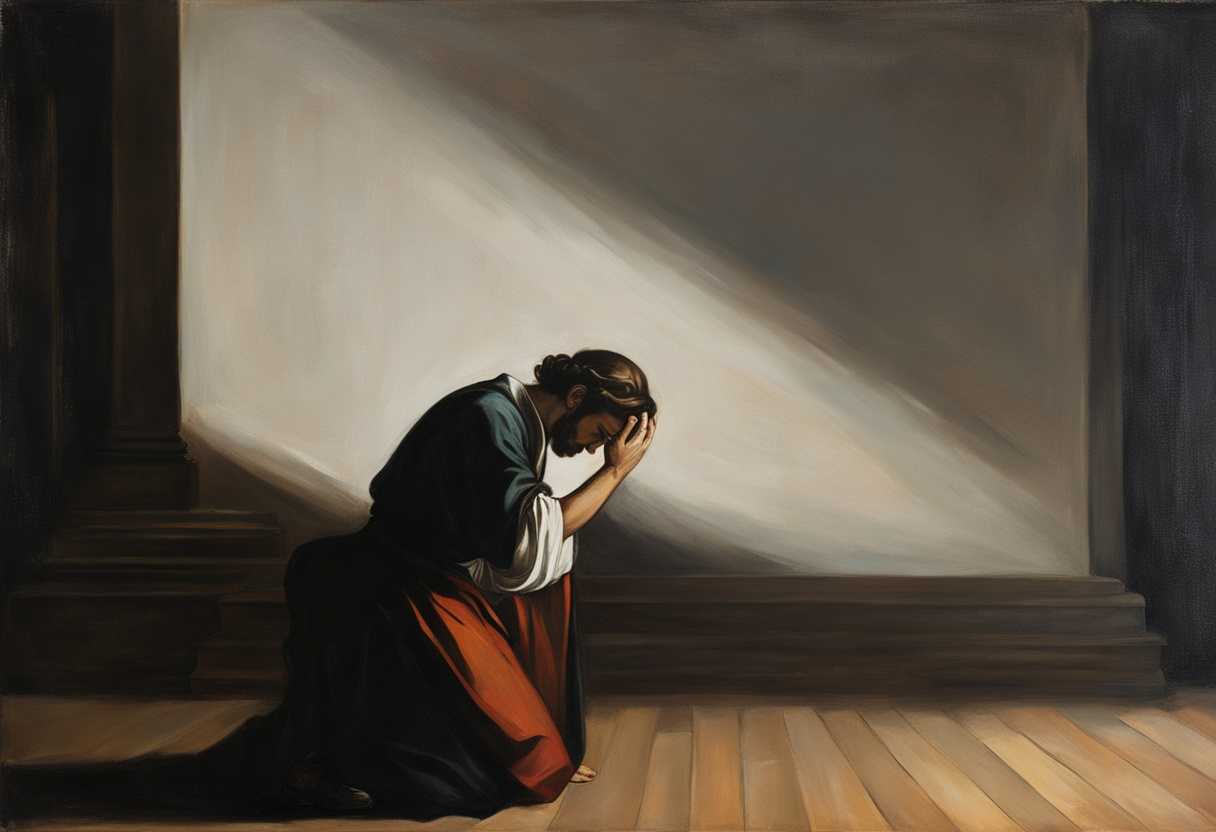
3 As soon as I heard this, I tore my garment and my cloak and pulled hair from my head and beard and sat appalled.
4 Then all who trembled at the words of the God of Israel, because of the faithlessness of the returned exiles, gathered around me while I sat appalled until the evening sacrifice.
5 And at the evening sacrifice I rose from my fasting, with my garment and my cloak torn, and fell upon my knees and spread out my hands to the Lord my God,
6 saying: “O my God, I am ashamed and blush to lift my face to you, my God, for our iniquities have risen higher than our heads, and our guilt has mounted up to the heavens.
7 From the days of our fathers to this day we have been in great guilt. And for our iniquities we, our kings, and our priests have been given into the hand of the kings of the lands, to the sword, to captivity, to plundering, and to utter shame, as it is today.
8 But now for a brief moment favor has been shown by the Lord our God, to leave us a remnant and to give us a secure hold within his holy place, that our God may brighten our eyes and grant us a little reviving in our slavery.
9 For we are slaves. Yet our God has not forsaken us in our slavery, but has extended to us his steadfast love before the kings of Persia, to grant us some reviving to set up the house of our God, to repair its ruins, and to give us protection in Judea and Jerusalem.
10 And now, O our God, what shall we say after this? For we have forsaken your commandments,
11 which you commanded by your servants the prophets, saying, ‘The land that you are entering, to take possession of it, is a land impure with the impurity of the peoples of the lands, with their abominations that have filled it from end to end with their uncleanness.
12 Therefore do not give your daughters to their sons, neither take their daughters for your sons, and never seek their peace or prosperity, that you may be strong and eat the good of the land and leave it for an inheritance to your children forever.
13 And after all that has come upon us for our evil deeds and for our great guilt, seeing that you, our God, have punished us less than our iniquities deserved and have given us such a remnant as this,
14 shall we break your commandments again and intermarry with the peoples who practice these abominations? Would you not be angry with us until you consumed us, so that there should be no remnant, nor any to escape?
15 O Lord, the God of Israel, you are just, for we are left a remnant that has escaped, as it is today. Behold, we are before you in our guilt, for none can stand before you because of this.”
The True Meaning of Ezra 9
The book of Ezra was written by the prophet Ezra, a scribe and priest who played a crucial role in the restoration of the Jewish people after their exile in Babylon. Ezra addresses a pressing issue that arose among the returned exiles in this chapter, shedding light on the challenges they faced as they sought to rebuild their lives and their relationship with God.
The chapter begins with Ezra receiving troubling news about the intermarriage of the Israelites with the surrounding pagan nations, a practice that was strictly forbidden by the Mosaic law (Deuteronomy 7:3-4). This revelation deeply distresses Ezra, who recognizes the spiritual and moral implications of such alliances. Ezra’s response reflects his deep commitment to the covenant between God and His people and his desire to see the nation of Israel remain faithful to their divine calling as he grapples with this situation.
The events described in this chapter echo the warnings found in the book of Nehemiah, where the prophet Nehemiah also confronts the issue of intermarriage and the need for the people to separate themselves from the surrounding nations (Nehemiah 13:23-27). Ezra’s actions in this chapter demonstrate the importance of maintaining spiritual purity and upholding the standards set forth by God, even in the face of societal pressures and personal relationships.
Ezra 9:1-4
Ezra, a scribe and priest, is deeply distressed upon hearing about the intermarriage between the Israelites and the surrounding pagan nations in Ezra 9:1-4. This was a direct violation of God’s command to not intermarry with these nations, as it would lead the Israelites into idolatry. Ezra’s immediate response to this news was one of profound grief and shock. This reaction highlights the seriousness of the situation and Ezra’s deep concern for the spiritual well-being of his people.
Ezra’s tearing of his garment and robe, pulling out his hair, and sitting desolate all day are physical manifestations of his inner turmoil and anguish over the disobedience of the people. This outward display reflects the gravity of the situation and serves as a public expression of repentance and mourning. It also shows Ezra’s genuine heart for God and his people, as he identifies with their sin and its consequences.
The mention of Ezra’s response being like that of the prophet Daniel when he saw the sins of his people is significant. This comparison aligns Ezra with a respected figure in Jewish history and emphasizes the severity of the current transgressions. It also highlights Ezra’s spiritual awareness and sensitivity to the importance of maintaining the purity of the Jewish community.
Ezra’s prayer of confession and acknowledgment of the sins of his people is a powerful moment in this passage. He not only identifies with the sins of the people but takes personal responsibility for them, despite not participating in them himself. This act of solidarity demonstrates Ezra’s humility, leadership, and compassion for his fellow Israelites. It also reflects a deep understanding of the importance of corporate repentance and the need for communal accountability. This passage from Ezra 9:1-4 serves as a poignant reminder of the consequences of disobedience to God’s commands, the importance of maintaining purity in worship and relationships, and the significance of genuine repentance and confession. It also showcases Ezra as a faithful leader who stands in the gap for his people, interceding on their behalf and seeking God’s mercy and forgiveness. Through his example, we are reminded of the value of humility, integrity, and unwavering devotion to God, even in the face of widespread sin and compromise.
Ezra 9:5-9
Ezra’s reaction upon learning about the intermarriage of the Israelites with the surrounding pagan nations is seen in Ezra 9:5-9. Let’s break this verse down into sections for a deeper analysis. Ezra is described as being completely overwhelmed and torn by the news of the people’s unfaithfulness in verse 5. He falls to his knees, spreads out his hands to God, and begins to pray. This reaction is significant as it shows Ezra’s deep care for the spiritual well-being of his people and his immediate turn to God in prayer when faced with such disheartening news. It also highlights the power of prayer as a response to crises or challenges.
Moving on to verse 6, Ezra acknowledges the sins and iniquities of the people, confessing not only their own guilt but also that of their ancestors. This admission of corporate sin is crucial in understanding the way the Bible often depicts the consequences of collective disobedience to God’s commands. Throughout the Bible, we see examples of how the actions of one generation can impact those who come after them, emphasizing the importance of repentance and seeking forgiveness for not only personal but also communal sins. Ezra reflects on God’s mercies in verse 7 despite the people’s wickedness, recognizing that God has not completely abandoned them despite their transgressions. This verse brings to light the concept of God’s grace and mercy, which are recurring themes throughout the Bible. It serves as a reminder that even in times of disobedience and spiritual distancing, God remains faithful to His people and is willing to forgive and show compassion to those who repent and turn back to Him.
Ezra’s plea for the restoration of the people in verse 8 demonstrates his deep concern for the future of the Israelites. He acknowledges that because of their sins, they deserved to be punished and destroyed, but he appeals to God’s mercy and asks for a remnant to be preserved. This plea reflects the biblical theme of intercession, where individuals like Ezra stand in the gap on behalf of others, seeking God’s mercy and intervention in dire situations. It underscores the power of prayer and the role of righteous individuals in influencing God’s judgment and mercy upon a group of people. Ezra acknowledges in the final verse of this passage, verse 9, that despite the sins of the people, God has preserved a remnant, albeit a small one. This reference to a remnant connects back to the historical preservation of a faithful few through whom God’s promises are fulfilled. Throughout the Bible, we see the theme of a remnant – a small, faithful group that God uses to bring about His plans and purposes despite the unfaithfulness of the majority. This verse serves as a glimmer of hope amidst the backdrop of sin and disobedience, reminding the reader of God’s faithfulness and sovereignty even in the midst of challenging circumstances. Ezra 9:5-9 offers valuable lessons on the power of prayer, the consequences of disobedience, the importance of corporate repentance, God’s grace and mercy, the role of intercession, and the preservation of a remnant. These timeless messages resonate throughout the Bible and continue to impact readers today, urging them to seek God’s forgiveness, turn away from sin, and remain faithful to Him in a world full of temptations and distractions.
Ezra 9:10-15
Ezra the scribe expresses his deep anguish and shame at the sins of the people of Israel in Ezra 9:10-15. He starts by acknowledging the mercy of God towards them, despite their grave sins, and the fact that they have been spared as a remnant. This is significant because it shows Ezra’s understanding of God’s mercy and his recognition of the people’s unworthiness. It also highlights the concept of remnant throughout the Bible. A remnant is a small portion of a larger group that remains faithful to God. It emphasizes that even in times of great apostasy, God always preserves a faithful remnant.
Ezra then goes on to detail the specific sins of the people, including intermarriage with nations that practiced abominations. This was a direct violation of the commandments of God, particularly regarding the purity of the Israelites and their exclusive worship of Him. Intermarriage with pagan nations often led the Israelites astray, causing them to compromise their beliefs and engage in idolatry. This was a recurring issue throughout the Old Testament, as the Israelites struggled to maintain their separation from the surrounding pagan cultures.
Ezra’s reaction to these sins is one of sorrow and deep repentance. He tears his garment and pulls hair from his beard in mourning, displaying a tangible outward expression of his inner turmoil. This act symbolizes the seriousness of the situation and Ezra’s heartfelt contrition on behalf of the people. It also reflects the prophetic tradition of using dramatic actions to convey a message to the people and to God.
Ezra ends his prayer with a plea for mercy from God, acknowledging that the sins of their ancestors have brought them to this point of desolation. Despite the people’s unfaithfulness, Ezra appeals to the character of God as a God of mercy and righteousness. This shows Ezra’s deep faith in God’s willingness to forgive and restore His people when they repent and turn back to Him. It also underscores the importance of confession, repentance, and seeking God’s mercy in times of spiritual waywardness. Ezra 9:10-15 serves as a poignant reminder of the consequences of disobedience, the necessity of repentance, and the faithfulness of God in spite of human failings. It challenges readers to reflect on their own lives, consider areas of compromise or sin, and seek God’s forgiveness and restoration. The timeless message here is that God’s mercy is always available to those who humble themselves, confess their sins, and turn back to Him in repentance.
After Ezra 9
The people of Israel had fallen into sin, marrying foreign women and adopting their pagan ways. When Ezra heard of this, he was devastated. He tore his clothes, pulled out his hair, and sat in anguish. The people gathered around him, weeping bitterly. Ezra rose to his feet as the sun began to set. He knew that drastic action was needed to restore the people’s relationship with God. With a heavy heart, he called the people to repentance. The people responded, agreeing to send away their foreign wives and children.
Though the path ahead would be difficult, Ezra knew that the Lord would be faithful to those who turned back to Him. Ezra could not help but wonder what challenges they would face in the days to come as the people made their way home. He knew that their obedience would be tested, but he also knew that the Lord would be with them, guiding and strengthening them every step of the way.

Reverend Michael Johnson is an experienced Church Minister with a profound expertise in spirituality and guidance. With a serene presence and a compassionate heart, he has faithfully served his congregation for over 20 years, leading them on a spiritual journey towards inner peace and enlightenment. Reverend Johnson’s extensive knowledge of religious philosophies and profound understanding of human nature have made him a trusted confidant and mentor to many, as he seamlessly weaves his profound wisdom into life teachings. Reverend Johnson’s calming demeanor and empathetic nature continue to uplift and heal souls, nurturing a sense of unity and tranquility within his community.