
1 These are the generations of the sons of Noah, Shem, Ham, and Japheth. Sons were born to them after the flood.
Setting the Scene for Genesis 10:1
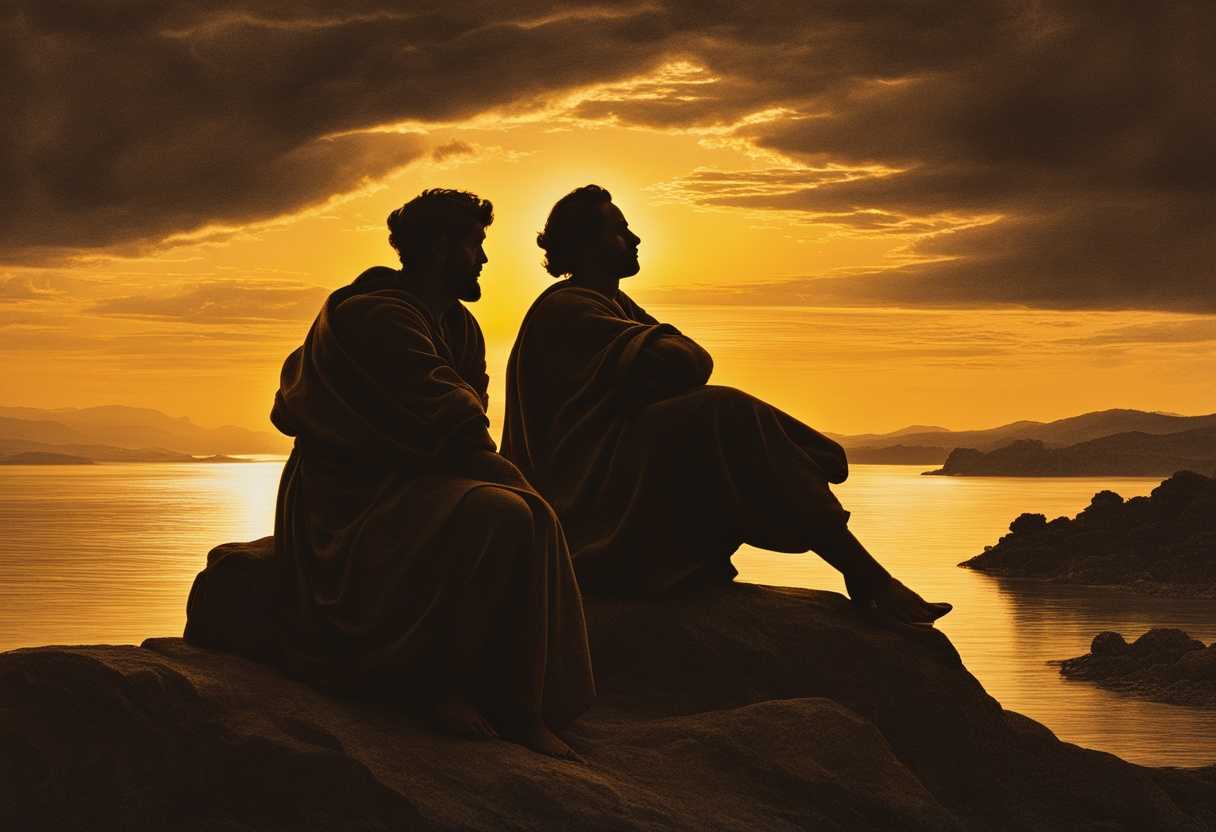
In Genesis chapter 10, we find ourselves in a bustling city square in the ancient land of Mesopotamia. The scene is filled with a diverse group of people from different tribes and nations, all gathered together for various reasons. Among them are Japheth, Shem, and Ham, the three sons of Noah, along with their descendants. They have come together to discuss their families, lands, and the future ahead of them.
Japheth, Shem, and Ham, along with their children and grandchildren, have traveled far and wide, settling in different regions and establishing their own communities. As they meet in this city square, there is a sense of unity and curiosity among them as they share stories of their journeys and experiences. The air is filled with the sounds of different languages being spoken, colorful garments from various cultures, and the aroma of spices and foods from different lands.
The city square is surrounded by ancient buildings made of clay bricks, with intricate carvings and symbols adorning the walls. In the distance, the Euphrates and Tigris rivers flow, providing water and sustenance to the fertile lands around them. As the descendants of Noah gather in this vibrant and diverse setting, they are reminded of the promise made to their ancestor and the responsibility they have to multiply and fill the earth.
What is Genesis 10:1 about?
Ah, the genealogy found in Genesis 10:1! This verse serves as a crucial link between the great flood and the spread of humanity across the earth. It traces the lineage of Noah’s sons—Shem, Ham, and Japheth—and sets the stage for the formation of various nations and peoples. Have you ever paused to ponder the significance of tracing familial lines in the Bible? We gain insight into the diverse tapestry of humanity and how different cultures and civilizations came to be by understanding the origins of these nations.
Imagine standing at the crossroads of history, witnessing the unfolding of nations and civilizations as they branch out from one common ancestor. The genealogy in Genesis 10:1 acts as a roadmap, guiding us through the intricate web of human relationships and the formation of distinct cultural identities. It prompts us to reflect on our own roots and connections to those who came before us. How does knowing where we come from shape our understanding of who we are today? Contemplate the grandeur of God’s plan for humanity and the interconnectedness of all people as we delve into the depths of this verse.
Understanding what Genesis 10:1 really means
Structure for the Commentary:
- Introduction and Context
- Analysis of Key Phrases
- Cross-References and Related Passages
- Contemporary Relevance
- Personal Reflection and Anecdote
- Invitation to Reflection
Introduction and Context
Genesis 10:1 sets the stage for the “Table of Nations,” detailing the descendants of Noah’s three sons—Shem, Ham, and Japheth. This genealogical record is not just a list of names but an interwoven tapestry that speaks to the origins of numerous people groups and nations. It provides a vital link in understanding human history from a biblical perspective.
Analysis of Key Phrases
- “Descendants of Noah’s sons”: This phrase underlines the continuity from the flood narrative to the expansion of humanity across the earth. It highlights the idea of survival and renewal.
- “After the flood”: This indicates a new beginning, a fresh start for humanity under God’s covenant.
Cross-References and Related Passages
Examining other biblical texts can deepen our understanding of this verse. For instance, looking at Genesis 9:1, where God blesses Noah and his sons and commands them to “be fruitful and multiply, and fill the earth.” This mandate frames the genealogies in Genesis 10, showing how Noah’s descendants fulfilled this divine command.
Similarly, Acts 17:26 asserts that God “made from one man every nation of mankind to live on all the face of the earth,” reinforcing the unity and common origin of humanity. These passages together call for seeing all people as part of one extended family. The genealogies in Genesis 10 remind us of our shared heritage in today’s fragmented world. Despite our differences in language, culture, or nationality, we all trace our origins back to the same source. This can be a powerful antidote to the divisions and strife we often witness.
Personal Reflection and Anecdote
I recall a time when my congregation partnered with a local mosque for a community service day. At first, there was some apprehension on both sides due to our differing beliefs. However, as we worked together to serve our community, we discovered shared values and common ground. Reflecting on Genesis 10:1, it became evident to me that our divisions often stem from forgetting that we all come from the same human family. This realization led to better understanding and more profound respect for one another.
Invitation to Reflection
I invite you to reflect on your own life and communities. How often do we create unnecessary divisions? How can we, in light of our shared ancestry, foster unity and collaboration instead? Genesis 10:1 serves as a reminder of our shared roots and the interconnected nature of humanity. Let’s consider how we can live out this truth in our daily interactions, seeking unity and peace in our divided world.
How can we embrace diversity and unity as one family?
Embracing diversity and unity as one family is a beautiful expression of God’s creation. Just as the descendants of Noah were diverse and spread out among different nations, we too should celebrate the various backgrounds, cultures, and identities that make up humanity. Each person is uniquely crafted by God and brings a valuable perspective to the table. When we come together in unity, despite our differences, we reflect the intricate design of creation and honor the beauty of God’s plan for diversity. We, as one family, can embrace diversity by seeking to understand and appreciate the unique qualities that each individual brings. We can come together in unity to create a harmonious and loving community by recognizing and valuing the differences among us. Just as the descendants of Noah were dispersed across different lands but remained connected through their shared heritage, we can find strength in our diversity while fostering a sense of togetherness. Let us strive to build bridges of understanding and respect, treating each other as equals and celebrating the rich tapestry of humanity that God has created.
Application
Think of your life as a family photo album—each page filled with stories that shape who you are. By exploring your family history, you’re adding depth and meaning to the picture. Learn from the past, draw strength from it, and let it guide your future steps. How will you honor your ancestors and build on their legacy in your own journey?

Reverend Michael Johnson is an experienced Church Minister with a profound expertise in spirituality and guidance. With a serene presence and a compassionate heart, he has faithfully served his congregation for over 20 years, leading them on a spiritual journey towards inner peace and enlightenment. Reverend Johnson’s extensive knowledge of religious philosophies and profound understanding of human nature have made him a trusted confidant and mentor to many, as he seamlessly weaves his profound wisdom into life teachings. Reverend Johnson’s calming demeanor and empathetic nature continue to uplift and heal souls, nurturing a sense of unity and tranquility within his community.