
1 Now the whole earth had one language and the same words.
Setting the Scene for Genesis 11:1
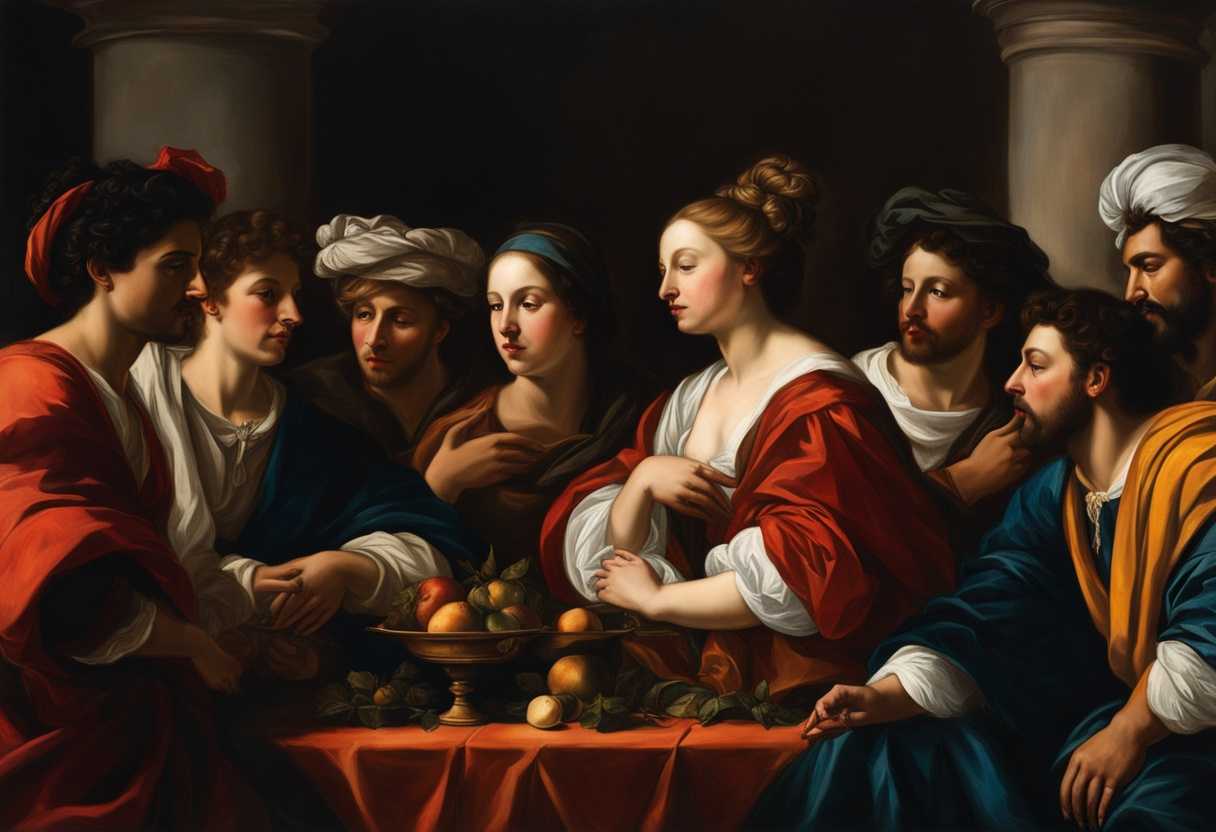
In Genesis chapter 11, we find a bustling scene in the land of Shinar where a group of people have gathered together. Among them are Nimrod, a mighty hunter, and a man named Terah, who is the father of Abram (later known as Abraham). These individuals, along with many others, have come together with a common goal in mind – to build a great city and a tower that reaches the heavens.
The surroundings are filled with the sounds of hammers striking stone and the shouts of workers as they labor together on this ambitious project. The city is beginning to take shape, with buildings rising up and the tower growing taller by the day. The people are united in their efforts, speaking the same language and working towards a shared vision of greatness.
As the city and tower continue to grow, tensions begin to rise among the people. God sees their pride and arrogance in trying to reach the heavens, and decides to intervene by confusing their language. Suddenly, the once-unified group finds themselves unable to communicate with one another, leading to chaos and the eventual scattering of the people across the earth.
What is Genesis 11:1 about?
The story of the Tower of Babel in Genesis 11:1 teaches us about the consequences of human pride and arrogance. The people in the story aimed to build a tower that would reach the heavens, a symbol of their desire to elevate themselves to the level of God. This act of hubris led to a division amongst the people when God confused their languages, causing them to scatter and preventing them from completing their ambitious project.
Have you ever pondered on how the pursuit of excessive pride and self-importance can lead to discord and chaos in our lives and communities? The Tower of Babel serves as a poignant reminder of the dangers of arrogance and the importance of humility. It prompts us to reflect on the consequences of placing ourselves above others and forgetting our interconnectedness as human beings. How can we apply the lessons from this story to our own lives and strive for unity and cooperation rather than division and confusion? Let us consider how we can cultivate humility, understanding, and collaboration in our interactions with others as we contemplate the story of the Tower of Babel. We can work towards building bridges instead of walls by recognizing the value of diversity and embracing our shared humanity. Let us heed the cautionary tale of the Tower of Babel and strive to foster harmony and unity in our relationships and communities, rather than allowing pride to sow seeds of discord and division.
Understanding what Genesis 11:1 really means
We uncover layers of significance relevant both to the ancient context and our modern day interactions in our exploration of Genesis 11:1, which notes that the whole earth used the same language and the same words. This phenomenon of a unified language speaks profoundly about human unity and the potential it embodies.
Initially, the verse sets us in a time of deep and effective communication, where misunderstanding was minimized and shared objectives could be pursued with remarkable coordination. Imagine a society where every person could directly understand one another; the level of collaboration and mutual understanding could potentially transform individual relationships and community projects. This scenario prompts the reflection: How are we, in our diverse and often divided communities, called to seek and foster understanding?
This concept of unity in language directly contrasts with events later in the chapter, the Tower of Babel, where this unity is fragmented. This development invites us to reflect on the power dynamics and pride that often drive human endeavors. Just as the builders of Babel attempted to make a name for themselves, pushing the boundaries of their capabilities in possibly prideful ways, we too can be tempted to use our abilities not for common good but for personal aggrandizement.
Furthermore, the narrative calls attention to a spiritual parallel found in the New Testament, particularly at Pentecost (Acts 2), where the Holy Spirit enables the disciples to speak in various tongues. This miraculous event, reversing Babel’s fragmentation, emphasizes God’s desire for the gospel to be accessible to all, transcending linguistic and cultural barriers. It challenges us today to consider how inclusively we are communicating the transformative message of the gospel.
Why is this relevant now? Understanding the importance of striving for a common language, in the metaphorical sense, can help bridge divides in a world rife with miscommunication and division. It’s about more than just words; it’s about shared meanings and values. An anecdote comes to mind involving a community project in a culturally diverse neighborhood. The organizers initially faced misunderstandings due to different cultural expressions of punctuality and decision-making. However, when they took the time to understand these differences, respecting and adapting to them, the project succeeded beyond their expectations.
Let this verse remind us of the power of shared language. Reflect on how you can contribute to building understanding in your own communities. Are there barriers that can be broken down through patient and sincere dialogue? How can the spirit of Pentecost inform your interactions, empowering you to communicate across divides? The calling is clear: to build, not just towers of pride, but bridges of understanding.
How can we balance unity with diversity in society?
Balancing unity with diversity in society is essential to creating a harmonious and inclusive community. Unity forms the foundation upon which people can come together to achieve common goals, while diversity brings forth a range of perspectives, ideas, and experiences that enrich the collective understanding. Individuals from different backgrounds and with varying abilities unite to work towards a shared vision, contributing their unique strengths to the collective whole.
To strike a balance between unity and diversity, it is important to cultivate an environment of respect, acceptance, and understanding. Embracing diversity necessitates acknowledging and appreciating the differences among individuals, recognizing the value that each person brings to the community. We can create a society where everyone feels welcomed and valued by fostering a culture that celebrates diversity while also emphasizing the shared values that unite us. We can build a society that thrives on both unity and diversity by ultimately recognizing the inherent worth and dignity of every individual. When we come together with a spirit of acceptance and inclusivity, we can harness the power of our differences to create a more vibrant, compassionate, and resilient community.
Application
Imagine if every voice in your local coffee shop or your team at work sang in harmony, aiming for the same high notes of compassion and cooperation. Just like in Genesis 11:1, with one language and a united vision, monumental things can be built—today’s towers might be sturdier communities and stronger families. Channel that power of unity in your daily interactions. Choose to be the builder who uses bricks of kindness and mortar made of mutual respect. How will you lay the foundation for a united front in your world today?

Reverend Michael Johnson is an experienced Church Minister with a profound expertise in spirituality and guidance. With a serene presence and a compassionate heart, he has faithfully served his congregation for over 20 years, leading them on a spiritual journey towards inner peace and enlightenment. Reverend Johnson’s extensive knowledge of religious philosophies and profound understanding of human nature have made him a trusted confidant and mentor to many, as he seamlessly weaves his profound wisdom into life teachings. Reverend Johnson’s calming demeanor and empathetic nature continue to uplift and heal souls, nurturing a sense of unity and tranquility within his community.