
27 Now these are the generations of Terah. Terah fathered Abram, Nahor, and Haran; and Haran fathered Lot.
28 Haran died in the presence of his father Terah in the land of his kindred, in Ur of the Chaldeans.
29 Abram and Nahor took wives. The name of Abram’s wife was Sarai, and the name of Nahor’s wife, Milcah, the daughter of Haran the father of Milcah and Iscah.
30 Now Sarai was barren; she had no child.
31 Terah took Abram his son and Lot the son of Haran, his grandson, and Sarai his daughter-in-law, his son Abram’s wife, and they went forth together from Ur of the Chaldeans to go into the land of Canaan, but when they came to Haran, they settled there.
32 The days of Terah were 205 years, and Terah died in Haran.
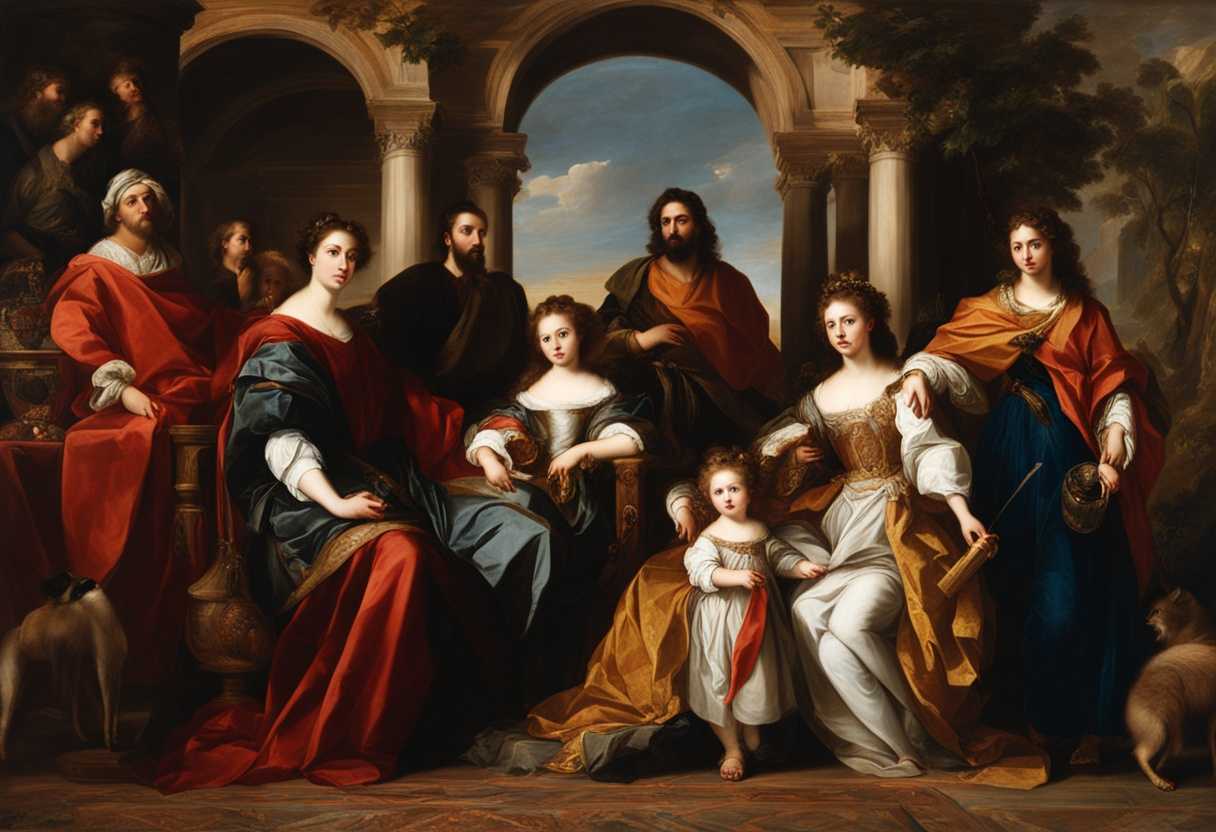
Setting the Scene for Genesis 11:27-32
In Genesis chapter 11, we find the scene set in the ancient city of Ur in Mesopotamia. The main characters in this passage are Terah, his son Abram (later known as Abraham), his grandson Lot, and Abram’s wife Sarai (later known as Sarah). Terah, Abram, Sarai, and Lot had all left Ur and were on their way to the land of Canaan. They had set out from Ur with the intention of settling in the land of Canaan, as instructed by God.
The surroundings are a stark contrast from the bustling city of Ur, as they journey through the vast desert landscapes of the ancient Near East. The group travels with their belongings and livestock, navigating the harsh terrain as they make their way towards their destination. Along the way, they face challenges and obstacles, but their faith in God’s promise sustains them on their journey. The scene is one of a family embarking on a significant journey of faith and obedience, leaving behind the familiar comforts of their homeland to follow God’s call to a new land.
What is Genesis 11:27-32 about?
The genealogy of Abram’s family in this verse eventually leads to the death of Terah in Haran. Genealogy is the study of family history and lineage, tracing connections between generations. Here, the verse provides us with a glimpse into the ancestral lineage of Abram, showing us how his family tree took shape and evolved over time. The verse also signifies a significant event in Abram’s family history by mentioning the death of Terah in Haran, marking the end of one chapter and the beginning of another.
Have you ever wondered about your own family’s genealogy and the stories that lie within your ancestors’ lives? Genealogy not only helps us understand our roots but also provides insights into the struggles, triumphs, and experiences of those who came before us. Just like Abram’s family history is documented in this verse, our family stories shape our identities and give us a sense of belonging and continuity. Reflecting on genealogy can be a powerful way to honor our ancestors and gain a deeper appreciation for the journey that has led us to where we are today.
Understanding what Genesis 11:27-32 really means
Structure for Commentary
- Introduction and Context
- Verse Breakdown and Key Phrases
- Theological Implications
- Connection to Other Biblical Passages
- Relevance to Today’s Readers
- Anecdote and Personal Application
- Conclusion and Reflection
Introduction and Context
Genesis 11:27-32 introduces us to Terah and his family, setting the stage for God’s call to Abram (later known as Abraham). It’s important because it marks the transition from the early chapters of Genesis, dealing with creation, the fall, and the flood, to the specifically chosen family through whom God will enact His redemptive plan.
Verse Breakdown and Key Phrases
Significant phrases in this passage include “And Terah took Abram his son,” and “They set out together from Ur of the Chaldeans to go into the land of Canaan.” These phrases highlight Terah’s initiative and the family’s initial journey towards Canaan, although they settled in Haran instead. “Terah lived 205 years, and he died in Haran” closes this introductory narrative, signaling a period of transition and incomplete fulfillment of their intended journey.
Theological Implications
This passage is rich in theological implications. One important theme is the idea of setting out on a journey without knowing the final destination, which is a recurring theme in the Bible. It underscores God’s call to trust Him even when the path isn’t fully revealed. The halfway stop in Haran can symbolize moments in life when we pause, reassess, or encounter unexpected delays.
Connection to Other Biblical Passages
This passage ties closely with Genesis 12:1-4, where God calls Abram to continue the journey to Canaan. It connects with Hebrews 11:8-10, emphasizing faith in God’s promises. The mention of Sarai being barren adds depth, directly linking to God’s later promise to make Abram’s descendants numerous (Genesis 15:5).
Relevance to Today’s Readers
The relevance of this passage today can’t be overstated. Many of us can relate to feeling like we’re in a “Haran,” a place of pause or delay. Perhaps you’re waiting for a career breakthrough, a relationship resolution, or spiritual clarity. This passage encourages us to trust God’s timing and direction, even when it seems slow or uncertain.
Anecdote and Personal Application
Years ago, a close friend of mine felt a strong call to become a missionary. However, just as they began their training, a family crisis required them to return home. This pause felt like a setback. Yet, in that “Haran,” they discovered ways to minister locally, honing their skills and deepening their faith. Years later, they resumed their mission with an enriched perspective and more profound impact.
Conclusion and Reflection
Genesis 11:27-32 invites us to see our own lives in the light of Terah’s journey. Are there areas where you feel stagnant or delayed? God is at work, even in the pauses. Reflect on how this passage speaks to your journey. Are you ready to hear and respond to God’s call as Abram did, despite the uncertainties? We can deepen our faith journey by pondering these questions, trusting in God’s perfect timing and direction for our lives.
How can we remain faithful during times of hardship?
During times of hardship, we can remain faithful by looking to the example of our forefathers in the faith. Just as they faced trials and tribulations, yet remained steadfast in their trust in God, we too can draw strength from their stories. Their perseverance through hardships serves as a testament to the faithfulness of God and His ability to see His people through difficult times.
When facing challenges, it is important to remember that our faith is not based on our circumstances but on God’s unchanging character. Even amidst trials, we can hold onto the promises of God and trust in His unfailing love and provision. We can find the strength and grace to press on through difficulties with hope and assurance in His faithfulness by clinging to our faith and seeking God in prayer and meditation on His Word.
Furthermore, remembering that our trials are temporary and that God works all things together for the good of those who love Him can provide us with the perspective needed to endure faithfully. We can navigate through hardships with a spirit of perseverance and trust in God’s ultimate plan for our lives by keeping our focus on the eternal hope we have in Christ and allowing His peace to guard our hearts and minds.
Application
Look closely at the story of Terah and his family. Your decisions today will build the foundations for your family’s future. Are you shaping a legacy that your children and grandchildren will be proud of? Take action now to pave a path of faith and righteousness. How will you ensure that the choices you make today create a lasting positive impact on those who come after you?

Reverend Michael Johnson is an experienced Church Minister with a profound expertise in spirituality and guidance. With a serene presence and a compassionate heart, he has faithfully served his congregation for over 20 years, leading them on a spiritual journey towards inner peace and enlightenment. Reverend Johnson’s extensive knowledge of religious philosophies and profound understanding of human nature have made him a trusted confidant and mentor to many, as he seamlessly weaves his profound wisdom into life teachings. Reverend Johnson’s calming demeanor and empathetic nature continue to uplift and heal souls, nurturing a sense of unity and tranquility within his community.