
Genesis 14:1-4 is about the historical account of a battle between four kings and five kings in the region of Sodom and Gomorrah, illustrating the consequences of greed, pride, and conflict, as well as the importance of alliances and leadership in times of crisis.
1 In the days of Amraphel king of Shinar, Arioch king of Ellasar, Chedorlaomer king of Elam, and Tidal king of Goiim,
2 these kings made war with Bera king of Sodom, Birsha king of Gomorrah, Shinab king of Admah, Shemeber king of Zeboiim, and the king of Bela (that is, Zoar).
3 All these joined forces in the Valley of Siddim (that is, the Salt Sea).
4 Twelve years they had served Chedorlaomer, but in the thirteenth year they rebelled.
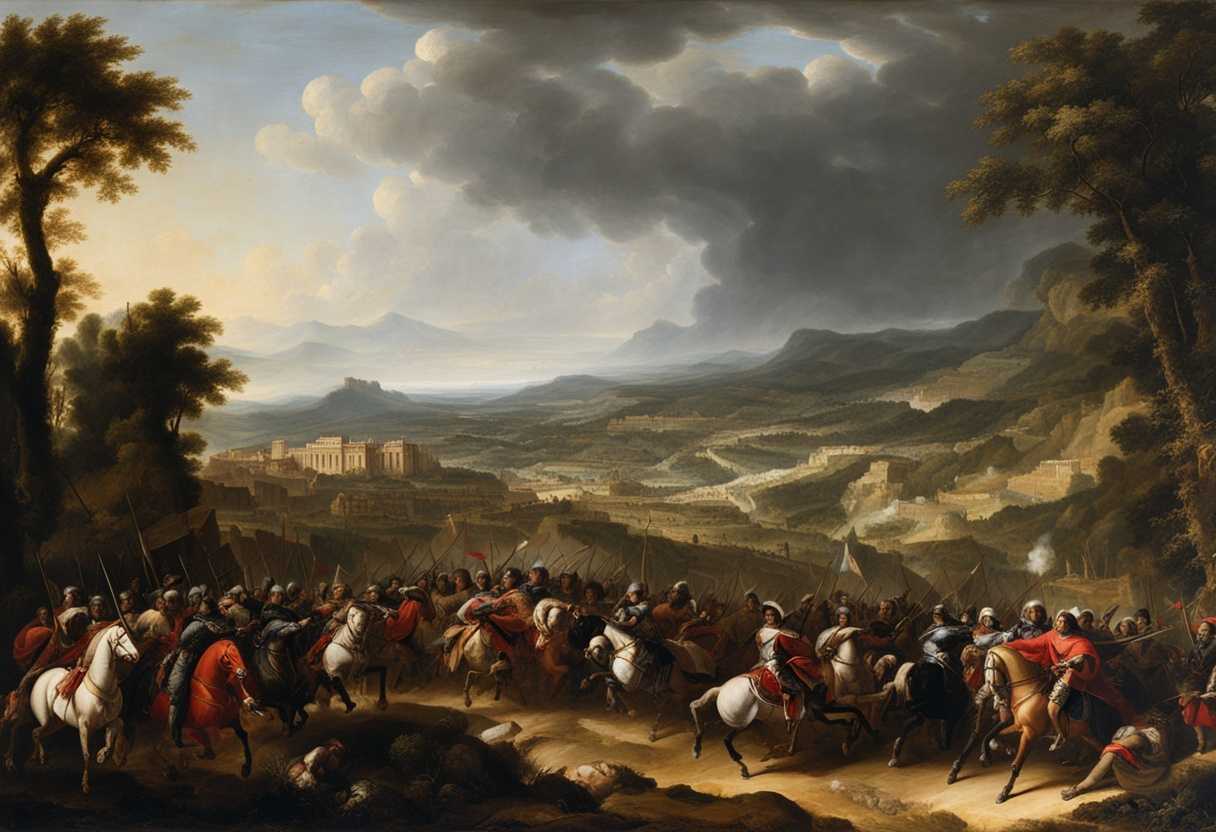
Setting the Scene for Genesis 14:1-4
In Genesis chapter 14, we find a scene set in the midst of a tumultuous time in the ancient Near East. The region is filled with city-states and kings vying for power and control over territories. Among these rulers is King Chedorlaomer, a powerful and ruthless monarch who has established dominance over several other kings, including the kings of Sodom, Gomorrah, Admah, Zeboiim, and Bela (or Zoar).
As tensions rise and conflicts escalate, a rebellion brews among the vassal kings under Chedorlaomer’s rule. In this scene, we see the kings of Sodom, Gomorrah, Admah, Zeboiim, and Bela coming together to form an alliance against their oppressive overlord. They gather in a strategic location, perhaps a desert oasis or a fortified city, to discuss their plans and muster their forces for the impending confrontation with King Chedorlaomer and his allies.
The atmosphere is tense as these kings, who were once subjugated and oppressed, now stand united in defiance, determined to break free from the shackles of their oppressor. The scene is filled with a sense of anticipation and courage as these rulers prepare to face off against a formidable enemy, setting the stage for a dramatic showdown that will have far-reaching consequences in the ancient world.
What is Genesis 14:1-4 about?
Abram fearlessly goes to rescue his nephew Lot from kings who had captured him, showcasing his courage and loyalty in action in this verse. Imagine the risks and challenges Abram must have faced to stand up against powerful rulers in order to save his family member. His actions illustrate the deeper importance of familial bonds and the lengths to which one might go to protect their loved ones. Through his courageous act of rescue, Abram sets a powerful example of selflessness and loyalty that inspires us to reflect on our own relationships with our family and friends. We are prompted to consider our own capacity for bravery and sacrifice as we ponder Abram’s unwavering determination to rescue Lot. How far would we go to help someone in need, especially a family member? What does it mean to truly put others before ourselves, as Abram did in this scenario? This verse encourages us to reflect on the values of loyalty, courage, and selflessness in our own lives, inspiring us to take action when faced with adversity and stand up for what we believe in. Abram’s rescue of Lot serves as a reminder of the power of familial love and the importance of being willing to go above and beyond for those we care about.
Understanding what Genesis 14:1-4 really means
Genesis 14:1-4 delves into a tumultuous period where kings and city-states clashed in a battle for power and control. The narrative introduces us to a coalition of four formidable kings, including Amraphel, Arioch, Chedorlaomer, and Tidal, who engage in warfare against the cities of the plain, notably Sodom and Gomorrah. On the opposing side, we see a coalition of five kings, led by Bera of Sodom and Birsha of Gomorrah, setting the stage for a significant conflict in the Valley of Siddim, near the Salt Sea.
The mention of these powerful kings and their alliances underscores the magnitude of the conflict and the strategic importance of the battleground. This historical context sheds light on the dynamics of power struggles and territorial disputes prevalent in ancient times. As we delve deeper into the passage, we encounter related biblical texts that further enrich the narrative. Genesis 19:1-29 portrays the eventual destruction of Sodom and Gomorrah, linking back to the events in Genesis 14 and emphasizing the consequences of sin and disobedience.
Hebrews 7:1-2 and Psalm 110:4 provide theological connections to Melchizedek, who emerges as a significant figure in Genesis 14. These references offer insights into the priesthood and kingship of Christ, highlighting the eternal nature of His reign and the significance of spiritual leadership. The narrative in Genesis 14 resonates with themes of conflict, alliance, and divine intervention, reflecting the complexities of human relationships and the enduring relevance of faith and righteousness in navigating turbulent times.
In a modern context, we can draw parallels between the ancient alliances and conflicts described in Genesis 14 and contemporary challenges. Imagine a community facing a formidable threat, akin to a small group confronting a powerful conglomerate of corporations. In such scenarios, the need for wise and just leadership becomes apparent, mirroring the intervention of Abram on behalf of his nephew Lot. This analogy underscores the timeless nature of seeking justice, support, and guidance in times of adversity.
As we reflect on Genesis 14:1-4, we are prompted to consider the importance of alliances, the role of leadership in times of conflict, and the enduring values of faith and righteousness. The transient nature of worldly power is juxtaposed with the enduring significance of spiritual principles, urging us to seek guidance from higher truths in navigating personal and communal challenges. By delving into the historical context, key phrases, related passages, and modern relevance of Genesis 14:1-4, we uncover profound insights that resonate with our lives today.
How do we respond when our loved ones are in danger?
We should respond with immediate action and protection in times of danger or when our loved ones are threatened. We must not hesitate to come to the aid of those we care about, just as Abram did when his nephew Lot was captured. We should be willing to gather our resources and rally support in order to protect and rescue our loved ones from harm or danger. We should also be quick to act and not delay in helping those in need, just as Abram did not think twice about going after Lot to save him. Our instinct should be to defend and support those we love, even if it means facing risks or challenges. It is important to show courage, determination, and a willingness to go to great lengths to ensure the safety and well-being of our loved ones when they are in danger.
Application
In the daily grind of our modern life, we often face battles that test our resolve. Just like in our work or family life, staying strong and unwavering in our faith is crucial. Let us take inspiration from the ancient tales of triumph and let our faith be our shield in facing the challenges of today. Will you boldly step into the fray, armed with the unwavering belief in God’s promises guiding your way?

Reverend Michael Johnson is an experienced Church Minister with a profound expertise in spirituality and guidance. With a serene presence and a compassionate heart, he has faithfully served his congregation for over 20 years, leading them on a spiritual journey towards inner peace and enlightenment. Reverend Johnson’s extensive knowledge of religious philosophies and profound understanding of human nature have made him a trusted confidant and mentor to many, as he seamlessly weaves his profound wisdom into life teachings. Reverend Johnson’s calming demeanor and empathetic nature continue to uplift and heal souls, nurturing a sense of unity and tranquility within his community.