
10 The angel of the Lord also said to her, “I will surely multiply your offspring so that they cannot be numbered for multitude.”
11 And the angel of the Lord said to her, “Behold, you are pregnant and shall bear a son. You shall call his name Ishmael, because the Lord has listened to your affliction.
12 He shall be a wild donkey of a man, his hand against everyone and everyone’s hand against him, and he shall dwell over against all his kinsmen.”
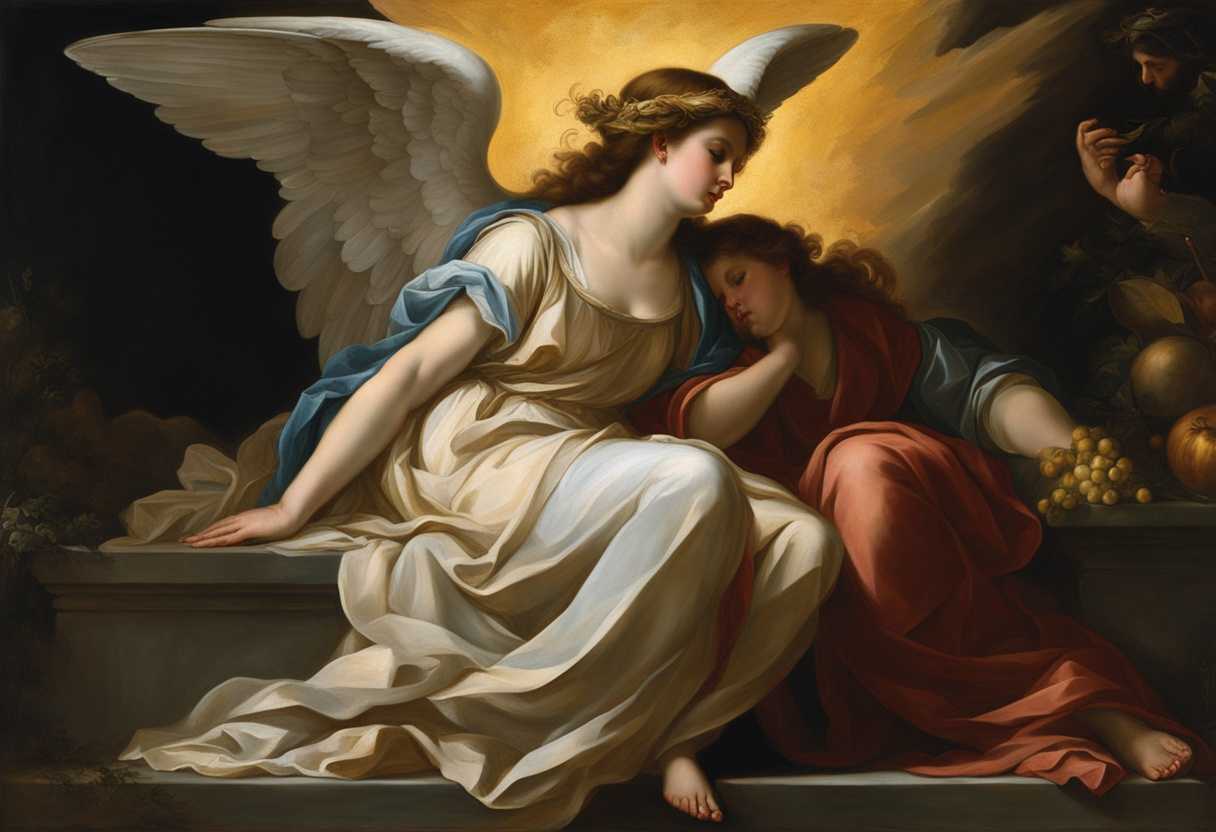
Setting the Scene for Genesis 16:10-12
In Genesis chapter 16, we find Hagar, the Egyptian maidservant of Sarai, the wife of Abram (later known as Abraham). Sarai, who was unable to bear children, suggested that Abram have a child with Hagar so that they could build a family through her. Hagar became pregnant, but tensions arose between her and Sarai, leading to mistreatment and Hagar fleeing into the wilderness.
The scene described in Genesis 16:10-12 takes place as Hagar is alone in the wilderness, having fled from Sarai’s harsh treatment. It is in this desolate and barren setting that the angel of the Lord appears to Hagar, bringing her a message of hope and promise. The angel reassures Hagar that she will have a son named Ishmael, who will become the father of a great nation. Despite her difficult circumstances, Hagar is comforted by the angel’s words and returns to Sarai’s household.
This moment in the wilderness is a pivotal one for Hagar, as she encounters the divine presence and receives a promise that will shape the course of her life and the future of her descendants. It is a reminder that even in the midst of hardship and isolation, God sees and cares for the marginalized and oppressed, offering them hope and a future.
What is Genesis 16:10-12 about?
This verse showcases God’s endless mercy and compassion towards Hagar, a marginalized woman who was mistreated and cast out by society. Despite her difficult circumstances, God reassures Hagar that she is not alone and that He has a plan for her and Ishmael. The promise of a multitude of descendants is a symbol of hope and redemption, demonstrating God’s ability to turn even the most challenging situations into blessings.
Have you ever felt like Hagar – lost, rejected, and alone? This verse reminds us that God sees our struggles and has a plan for us, even when we may not see it ourselves. It serves as a reminder that no matter how dire our circumstances may seem, God’s promises are always true and He is always faithful to fulfill them. The story of Hagar and Ishmael is a powerful testament to God’s love and care for all of His children, no matter who they are or where they come from.
Understanding what Genesis 16:10-12 really means
Structure of Commentary:
- Introduction and Context
- Key Phrases and Their Meanings
- Reference to Other Biblical Passages
- Relevance to Modern Readers
- Anecdote
- Engaging the Reader with Questions
- The Angel of the Lord speaks to Hagar, Sarai’s maidservant, in a crucial moment in Genesis 16:10-12. This passage occurs after Sarai’s desperation for a child leads her to suggest that Abram have a child with Hagar. The interaction provides profound insights into God’s plans and presence even in complex human situations.
Key Phrases and Their Meanings
The phrase where the Angel of the Lord says, “I will so increase your descendants that they will be too numerous to count,” is an example of God’s blessing amid suffering. Hagar, an Egyptian slave, finds herself in a desperate situation, yet God promises her a multitude of descendants. This echoes the promise made to Abram about his descendants, indicating Hagar’s important role in God’s larger plan.
The description of Ishmael as “a wild donkey of a man” and the foretelling that he will live in hostility towards his brethren visually portrays the nature of his future lineage. The wild donkey symbolizes freedom and untamed spirit, suggesting Ishmael’s descendants will embody an independent and resilient nature.
Reference to Other Biblical Passages
Another relevant passage is Genesis 21:17-18, where God reassures Hagar again, this time in the desert after she has been sent away. “Do not be afraid; God has heard the boy crying,” He promises to make Ishmael into a great nation. This reinforces that God’s compassion and plans extend beyond the immediate chosen line of Isaac. This passage reminds us in today’s context that God sees and hears us in our distress, even when we feel marginalized or outcast. Many people face situations where they feel they have no voice or power, akin to Hagar’s plight. This story assures us that God’s promises are not limited by our social statuses or circumstances. Consider how a single mother struggles to provide for her children. Day after day, she works tirelessly, often feeling overlooked and underappreciated. However, through small acts of kindness and unexpected opportunities, she discovers that she and her children are never truly alone. Much like Hagar, she finds that there is a greater plan and purpose, even if it isn’t immediately visible.
Engaging the Reader with Questions
Have you ever felt like Hagar, mistreated or forgotten by those around you? How did you find solace or encouragement in those moments? Do you think that the struggles you face could be part of a larger plan that you may not fully understand yet?
Conclusion and Reflection
Reflecting on Genesis 16:10-12 invites us to observe God’s boundless compassion and intricate plans. It encourages trust in divine guidance, especially during tumultuous times. It also beckons us to show empathy and support to those around us who might be enduring their own personal wilderness. By aligning ourselves with God’s compassion, we not only become instruments of His enduring promises.
What does it mean to trust God’s promises?
Trusting God’s promises means having faith in His protection, provision, and guidance even when circumstances seem uncertain or challenging. God promises Hagar in the story from Genesis 16:10-12 that He will multiply her descendants so much that they cannot be counted. Trusting in God’s promise would have required Hagar to believe in His faithfulness and power to fulfill what seemed impossible at that moment.
Trusting God’s promises also involves surrendering control and choosing to rely on His wisdom and timing rather than our own. Hagar had to relinquish her fears and doubts and place her trust in God’s plan despite the circumstances she found herself in. This act of trust not only required belief in God’s promises but also a willingness to wait for His perfect timing to see them fulfilled. Trusting God’s promises in this context ultimately means holding onto the hope and assurance that He is faithful to His word and will bring about what He has declared. It involves placing our confidence in His character and ability to bring about His purposes, even when our human understanding may struggle to comprehend how or when those promises will come to pass.
Application
Think about the way you juggle your busy life—balancing work, family, and everything in between. Remember God’s promise to Hagar in Genesis 16:10-12, multiplying her descendants beyond measure. Just as He was faithful to her, He is faithful to you too. When life feels overwhelming, trust that He’s got your back, guiding you through every twist and turn. Step out in faith, believing in His provision during your busiest and hardest times. Will you choose to trust His promises and stride confidently on the path He has for you?

Reverend Michael Johnson is an experienced Church Minister with a profound expertise in spirituality and guidance. With a serene presence and a compassionate heart, he has faithfully served his congregation for over 20 years, leading them on a spiritual journey towards inner peace and enlightenment. Reverend Johnson’s extensive knowledge of religious philosophies and profound understanding of human nature have made him a trusted confidant and mentor to many, as he seamlessly weaves his profound wisdom into life teachings. Reverend Johnson’s calming demeanor and empathetic nature continue to uplift and heal souls, nurturing a sense of unity and tranquility within his community.