
20 Then the Lord said, “Because the outcry against Sodom and Gomorrah is great and their sin is very grave,
21 I will go down to see whether they have done altogether according to the outcry that has come to me.
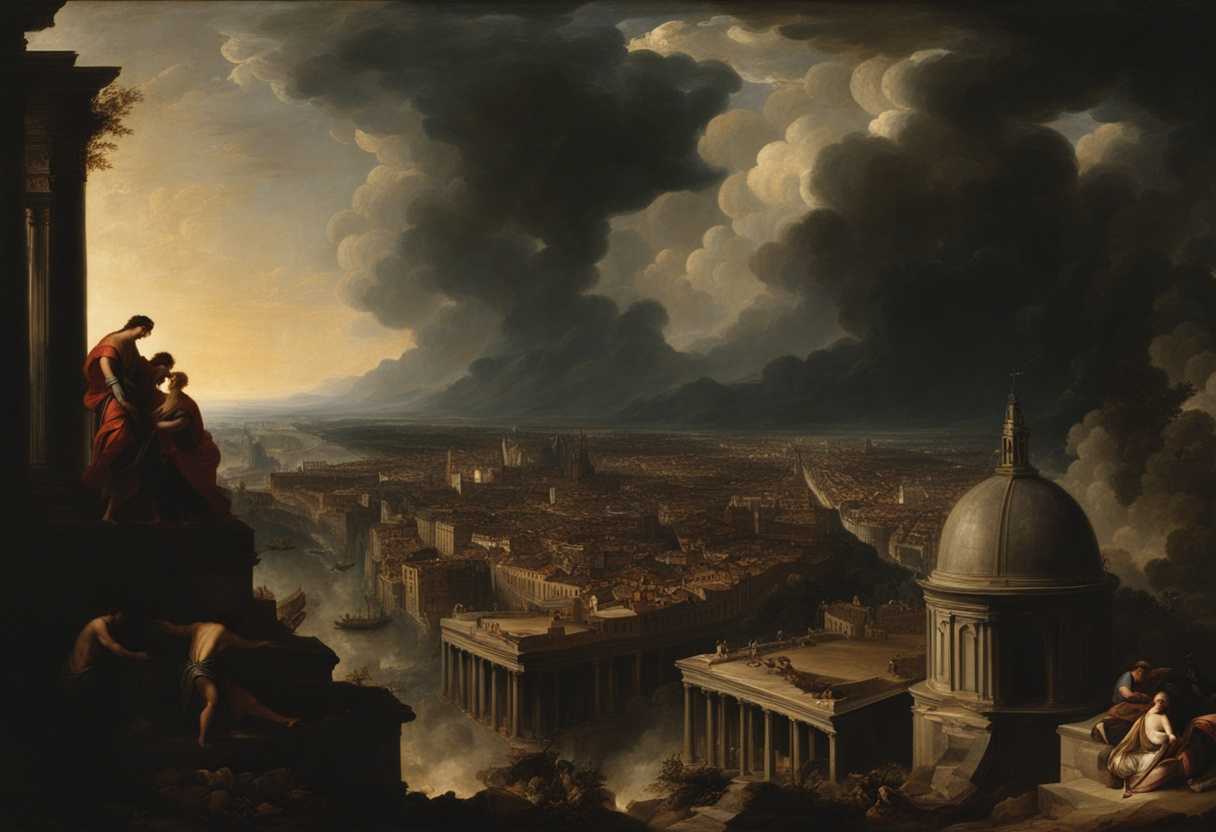
Setting the Scene for Genesis 18:20-21
In Genesis chapter 18, we find Abraham sitting at the entrance of his tent during the heat of the day. As he looks up, he sees three men standing nearby. These men are actually angels of the Lord, though Abraham does not yet know this. The scene is set in the plains of Mamre, where Abraham had set up his tent under the great trees.
Abraham, known for his hospitality, quickly runs to greet the men and invites them to rest and have a meal. He instructs Sarah, his wife, to prepare bread while he chooses a tender calf to be prepared for their guests. As the men sit and eat, they reveal to Abraham that Sarah will have a son within the year, a promise that both surprises and delights the elderly couple.
The setting is peaceful and serene, with the shade of the trees providing a cool respite from the heat. Abraham and Sarah are filled with joy and wonder at the news they have received, and the angels bring a sense of divine presence to the scene. This encounter marks a pivotal moment in the lives of Abraham and Sarah, as it sets in motion the fulfillment of God’s promise to make them the ancestors of a great nation.
What is Genesis 18:20-21 about?
God is communicating His intentions to Abraham regarding the cities of Sodom and Gomorrah in this verse from the Bible. Through this revelation, we see God’s justice and righteousness in action. It showcases His willingness to involve His chosen people in His plans and to keep them informed about His actions. God is also giving Abraham the opportunity to intercede on behalf of the cities and their inhabitants by sharing His plans with him.
Have you ever thought about the significance of God sharing His plans with His followers? It reveals His desire for a personal relationship with us and invites us to participate in His work. God not only demonstrates His faithfulness and transparency but also highlights the importance of prayer and intercession in His divine plans by involving Abraham in His decision-making process. So, as we reflect on this verse, let’s remember that God desires to involve us in His work and is always open to our prayers and petitions on behalf of others.
Understanding what Genesis 18:20-21 really means
God reveals His intention to Abraham regarding Sodom and Gomorrah in Genesis 18:20-22. This passage not only speaks about divine justice but also highlights the important theme of intimate communication between God and humanity. This interplay offers rich insights into how we, as believers, might perceive our relationship with the Divine and our role in the intercession.
The phrase “the outcry against Sodom and Gomorrah is so great and their sin so grievous” underscores the seriousness with which God views the sins of these cities. It’s a stark reminder of the consequences of rampant injustice and moral decay. Here, ‘outcry’ likely refers to the cries of victims of the cities’ depravities, reaching God’s ears and provoking divine intervention. This challenges us to reflect on how we respond to injustice and whether the ‘outcries’ in our society reach our ears or move us to action in our times.
Following this, God says, “I will go down and see if what they have done is as bad as the outcry that has reached me.” This statement reveals a God who is involved and verifies facts before executing judgment. This point is crucial; it dispels any notions of a detached or arbitrary deity and instead introduces us to a God of righteous judgment and grace. The notion that God Himself “will go down” to inspect the situation tells us that God is deeply personal and intimately involved in the affairs of humanity. This episode in Genesis directly ties to other instances where God interacts with his creation in the broader biblical narrative, notably, Moses interceding for Israel (Exodus 32:11-14) and Jonah’s mission to Nineveh (Jonah 3:1-10). Each of these stories includes a theme of divine justice tempered with mercy, a feature that should continually inform our understanding of justice today.
How might this apply to us? Imagine a community leader like Abraham in our modern cities, someone who dialogues with God about the fate of his city, pleading for mercy, yet standing firm on justice. This imagery can inspire current believers to not only pray for their cities but to actively engage in addressing the injustics present, ensuring their actions contribute to justice and mercy, rather than indifference.
Thus, by examining these verses in Genesis, we as participants in a faith community gain a deeper understanding of our call to justice, the intimacy of God’s concern for human affairs, and the importance of our intercessory role for the world. Reflect on this: Are we attentive to the ‘outcries’ around us? Are we partnering with God to bring about justice and mercy, as exemplified by Abraham? This passage invites us into this transformative dialogue and action.
How can we live with righteousness and justice?
Living with righteousness and justice means actively pursuing what is right and fair in all aspects of our lives. It involves treating others with kindness and respect, standing up against injustices, and following ethical principles. We contribute to a more just and righteous society by being honest, fair, and compassionate in our actions. The verse from Genesis highlights the importance of recognizing and addressing wrongdoing. When we see injustice or oppression, it is our responsibility to take a stand and seek to rectify the situation. This may involve speaking out against injustice, advocating for those who are marginalized or oppressed, and working towards creating a more just and equitable world for all.
Living with righteousness and justice requires us to be proactive in seeking out and fighting against injustice, rather than turning a blind eye to it. It is a continual effort to uphold moral values and principles in all that we do, and to seek justice for those who are disadvantaged or oppressed. We can contribute to a more just and equitable society for all by living with righteousness and justice at the forefront of our actions.
Application
Imagine you’re at a crossroads in the bustling city of life. To one side, the road is paved with silence and apathy, leading to a world that turns a blind eye to those in need. On the other side, there’s a path that demands bravery—a call to stand alongside the downtrodden and oppressed, echoing the compassion that resonated through Genesis. As you stand there, briefcase in hand, think of the legacy you wish to leave. Will you merely clock in and out of your responsibilities, or will you strive to embed justice and kindness into the very fabric of your community? Will you be the voice that speaks up when the echoes of injustice are deafening? Are you ready to walk the path of righteousness and leave footprints of compassion in your wake? What story will you tell with the steps you choose today?

Reverend Michael Johnson is an experienced Church Minister with a profound expertise in spirituality and guidance. With a serene presence and a compassionate heart, he has faithfully served his congregation for over 20 years, leading them on a spiritual journey towards inner peace and enlightenment. Reverend Johnson’s extensive knowledge of religious philosophies and profound understanding of human nature have made him a trusted confidant and mentor to many, as he seamlessly weaves his profound wisdom into life teachings. Reverend Johnson’s calming demeanor and empathetic nature continue to uplift and heal souls, nurturing a sense of unity and tranquility within his community.