
11 And God said, “Let the earth sprout vegetation, plants yielding seed, and fruit trees bearing fruit in which is their seed, each according to its kind, on the earth.” And it was so.
12 The earth brought forth vegetation, plants yielding seed according to their own kinds, and trees bearing fruit in which is their seed, each according to its kind. And God saw that it was good.
13 And there was evening and there was morning, the third day.
14 And God said, “Let there be lights in the expanse of the heavens to separate the day from the night. And let them be for signs and for seasons, and for days and years,
15 and let them be lights in the expanse of the heavens to give light upon the earth.” And it was so.
16 And God made the two great lights—the greater light to rule the day and the lesser light to rule the night—and the stars.
17 And God set them in the expanse of the heavens to give light on the earth,
18 to rule over the day and over the night, and to separate the light from the darkness. And God saw that it was good.
19 And there was evening and there was morning, the fourth day.
20 And God said, “Let the waters swarm with swarms of living creatures, and let birds fly above the earth across the expanse of the heavens.”
21 So God created the great sea creatures and every living creature that moves, with which the waters swarm, according to their kinds, and every winged bird according to its kind. And God saw that it was good.
22 And God blessed them, saying, “Be fruitful and multiply and fill the waters in the seas, and let birds multiply on the earth.”
23 And there was evening and there was morning, the fifth day.
24 And God said, “Let the earth bring forth living creatures according to their kinds—livestock and creeping things and beasts of the earth according to their kinds.” And it was so.
25 And God made the beasts of the earth according to their kinds and the livestock according to their kinds, and everything that creeps on the ground according to its kind. And God saw that it was good.
26 Then God said, “Let us make man in our image, after our likeness. And let them have dominion over the fish of the sea and over the birds of the heavens and over the livestock and over all the earth and over every creeping thing that creeps on the earth.”
27 So God created man in his own image,
in the image of God he created him;
male and female he created them.
28 And God blessed them. And God said to them, “Be fruitful and multiply and fill the earth and subdue it, and have dominion over the fish of the sea and over the birds of the heavens and over every living thing that moves on the earth.”
29 And God said, “Behold, I have given you every plant yielding seed that is on the face of all the earth, and every tree with seed in its fruit. You shall have them for food.
30 And to every beast of the earth and to every bird of the heavens and to everything that creeps on the earth, everything that has the breath of life, I have given every green plant for food.” And it was so.
31 And God saw everything that he had made, and behold, it was very good. And there was evening and there was morning, the sixth day.
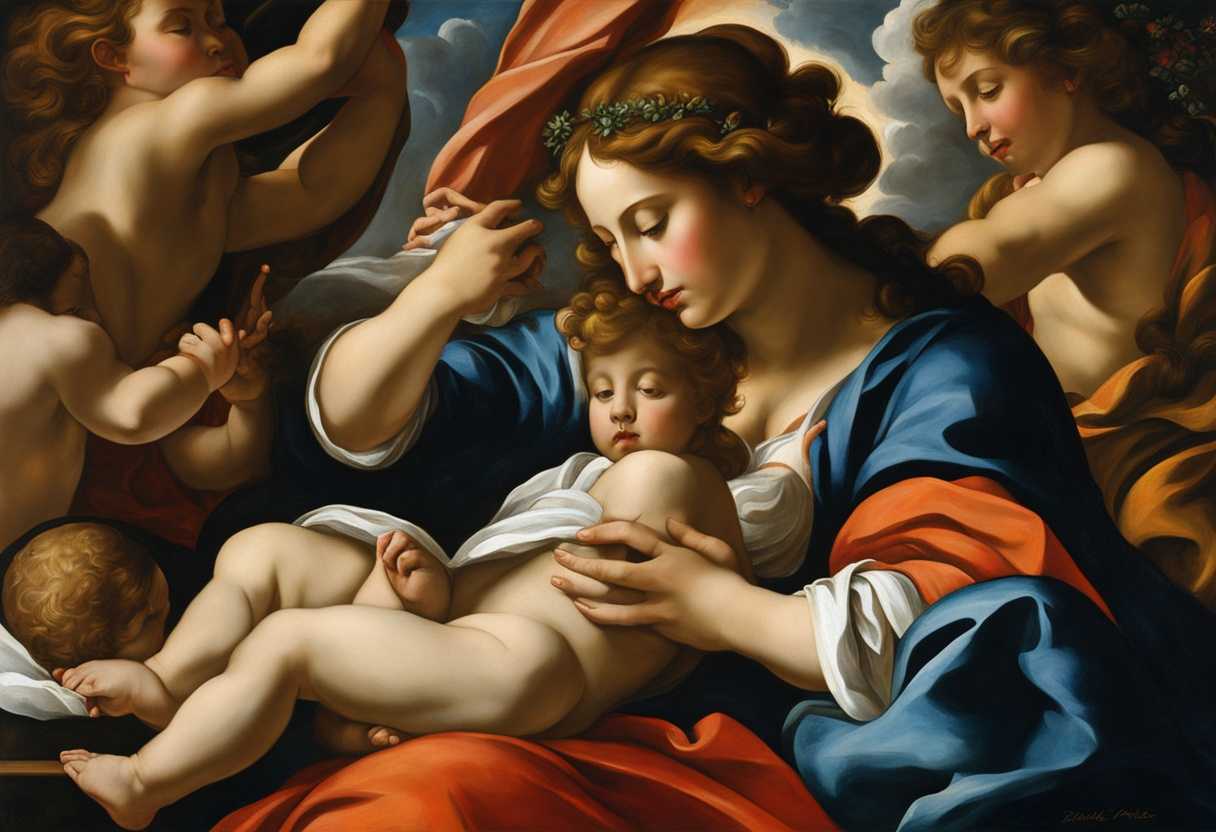
Setting the Scene for Genesis 1:11-31
In Genesis chapter 1, the scene opens with God creating the heavens and the earth. The setting is a vast expanse of darkness and void, with the Spirit of God hovering over the waters. As God speaks, light bursts forth, separating the darkness from the light. He then goes on to create the sky, land, seas, plants, and trees, each according to its kind. The atmosphere is filled with the sound of God’s powerful voice bringing forth life and order from chaos.
Among those present in this scene are God, the ultimate Creator, and the various forms of life He brings into existence. The plants and trees spring up from the earth at His command, each bearing seed according to its kind. The scene is teeming with life as God populates the earth with vegetation, birds, fish, and animals, each created with unique characteristics and purposes. The beauty and diversity of creation are on full display as God declares everything He has made to be good.
As the chapter progresses, God creates humankind in His image, male and female, giving them dominion over the earth and all its creatures. The scene is filled with the wonder of God’s creation, as humanity is set apart as the pinnacle of His creative work. The stage is now set for the unfolding story of God’s relationship with His creation and His plan for redemption and restoration.
What is Genesis 1:11-31 about?
God displays the power and creativity in this verse through the act of creation. God’s ability to bring forth life in various forms over a period of six days showcases His intricate design and attention to detail. God emphasizes the unique significance of each element by dividing the act of creation into distinct stages, whether it be plants, animals, or humans. Through this process, God establishes order and purpose in the world, demonstrating His sovereignty over all living beings. We are invited to contemplate the awe-inspiring nature of God’s creative power as we reflect on this verse. Imagine the vast array of plants, animals, and humans that populate our world today, all stemming from the intentional act of creation described in these verses. God designed each living creature with precision and care, considering their complexity and beauty. Through this lens, we can appreciate the interconnectedness of all life forms and recognize the inherent value and purpose that God has bestowed upon each one.
Understanding what Genesis 1:11-31 really means
We explore the rich text from Genesis 1:11-31, delving into the narrative of God’s creation, emphasizing not only the power and sovereignty of God but also His purposeful design in creating a world teeming with life. This passage, encapsulating the sprouting of plants, the creation of animals, and the climax of humanity’s formation, holds profound implications for our understanding of both our origin and our stewardship responsibilities.
The text initiates this understanding with the command, “Let the earth sprout vegetation.” This command highlights the inherent power of God’s word to bring forth life, a theme pivotal to the entirety of creation. It underscores God’s sovereignty and the intentionality in creation, where every plant and tree is designed to bear fruit containing its seed. This detail is not merely botanical; it implies a planned, self-sustaining order. Instantly, it raises a fundamental question about our role: How are we interacting with and sustaining the natural order intended by God? An escalating pattern of life culminates with humans, created in God’s own image, as the passage progresses to the creation of animal life and ultimately to humanity. This is pivotal: being made in God’s image invests in us not only a unique identity but a profound responsibility. We’re called to ‘rule over’ and ‘subdue’ the earth — phrases that have historically sparked considerable debate. Importantly, these terms in their original context urge us to govern and cultivate the earth responsibly, ensuring its fruitfulness and health. This stewardship is an extension of God’s own care and creativity, not a license for exploitation.
This narrative arc from plants to humans underlines a connectivity and interdependence in all of God’s creation. God cares so wonderfully for flowers that are here today and thrown into the fire tomorrow, as Jesus later points out in Matthew 6:28-30, so won’t He more surely care for us? This reassurance should elicit not only gratitude but a sense of duty towards all creation.
Considering the relevance today, we live in an age where environmental issues and ethical treatment of all life forms are increasingly paramount. This passage calls us back to our foundational role as caretakers and protectors of God’s creation. It serves as a reminder that our development and use of Earth’s resources should align with God’s original design and purpose.
Reflecting on these verses should provoke a personal reflection: Are we aligning our actions with a stewardship that honors God’s creation and design? Our daily choices, whether it’s reducing waste, supporting sustainable practices, or simply appreciating and preserving the natural beauty around us, are all reflections of our adherence to the divine mandate established in Genesis.
What does creation teach us about God’s nature?
Creation teaches us about God’s nature through the immense variety, beauty, and order that is displayed in the world. The verse highlights how God created each kind of living creature according to its own kind, showcasing His wisdom and intentionality in designing every aspect of creation. This demonstrates God’s power and creativity in bringing forth such a diverse and intricate world.
Furthermore, the act of God declaring everything He created as good reveals His goodness and perfection. It shows that God takes delight in His creation and desires for it to flourish and thrive. This attribute of God’s goodness is reflected in the harmony and balance found in nature, where each component works together in perfect unity. Creation points to God’s sovereignty, creativity, wisdom, goodness, and orderliness. It reveals His glory and splendor, inviting us to marvel at His greatness and to recognize His handiwork in the world around us. Through creation, we come to know more about God’s nature and character, deepening our understanding and appreciation of who He is.
Application
Imagine yourself as a gardener in the vast expanse of this world, planted by the ultimate Craftsman. Each tree, bird, and river was intricately woven together with precision and purpose. As custodians of this global garden, it’s our sacred duty to nurture and protect the masterpiece we’ve been handed. Consider your daily life as an opportunity to show reverence for this divine artistry. Whether you’re tending to your family, contributing at work, or simply interacting with nature, every action contributes to the preservation of this gift. How will you paint your part in the grand tapestry of creation today?

Reverend Michael Johnson is an experienced Church Minister with a profound expertise in spirituality and guidance. With a serene presence and a compassionate heart, he has faithfully served his congregation for over 20 years, leading them on a spiritual journey towards inner peace and enlightenment. Reverend Johnson’s extensive knowledge of religious philosophies and profound understanding of human nature have made him a trusted confidant and mentor to many, as he seamlessly weaves his profound wisdom into life teachings. Reverend Johnson’s calming demeanor and empathetic nature continue to uplift and heal souls, nurturing a sense of unity and tranquility within his community.