
11 And God said, “Let the earth sprout vegetation, plants yielding seed, and fruit trees bearing fruit in which is their seed, each according to its kind, on the earth.” And it was so.
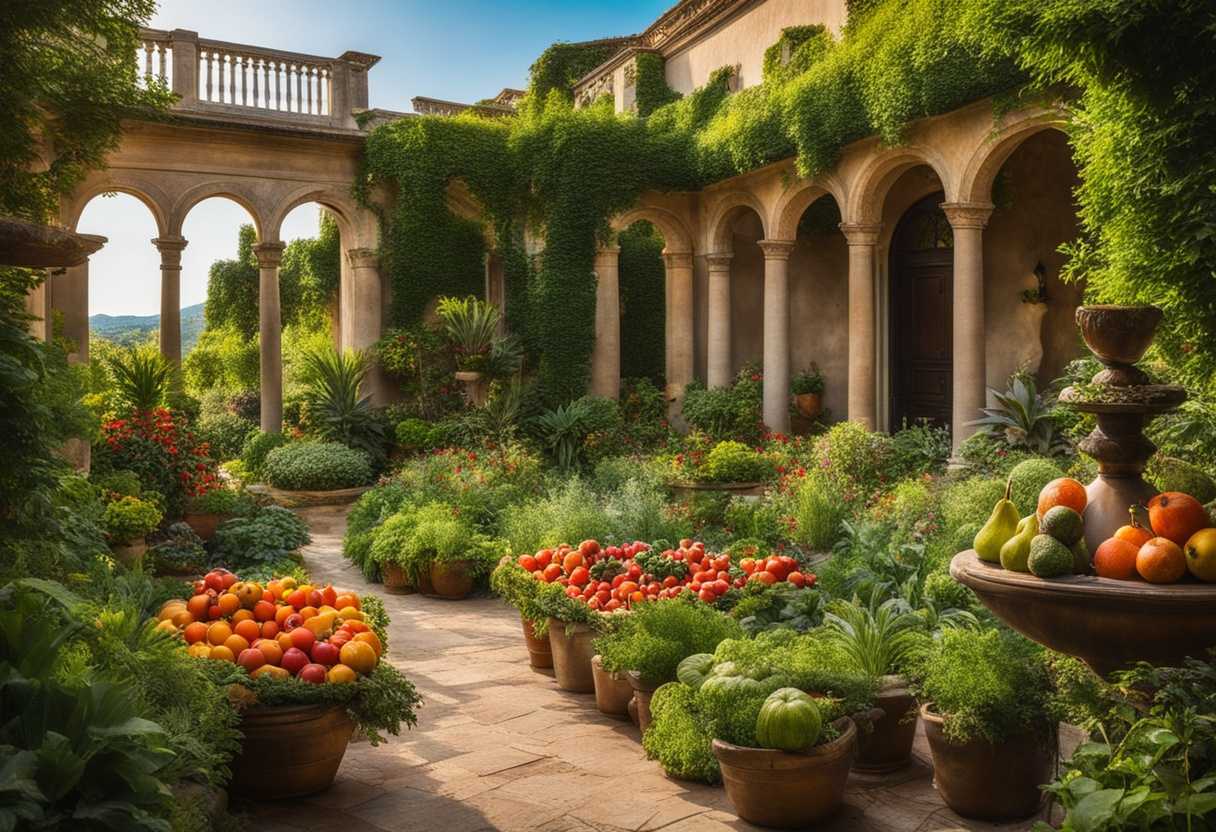
Setting the Scene for Genesis 1:11
In Genesis chapter 1, we find ourselves at the very beginning of time, where God has just created the heavens and the earth. The scene is set in a lush and vibrant garden, teeming with life and beauty. The air is filled with the sweet scent of blooming flowers, and the gentle rustling of leaves can be heard as a soft breeze sweeps through the garden.
In this particular moment, God speaks into existence the plants and trees, each bearing fruit according to its kind. Adam, the first man, stands in awe as he witnesses the miraculous creation unfolding before him. He marvels at the intricate design of each plant and tree, recognizing the handiwork of his Creator.
As Adam gazes around the garden, he is joined by Eve, the first woman, who approaches with a sense of wonder and curiosity. Together, they walk among the newly formed vegetation, taking in the beauty and abundance that surrounds them. The scene is one of harmony and perfection, a glimpse of the paradise that God has created for His beloved children.
What is Genesis 1:11 about?
God brings forth vegetation on the third day of creation, showcasing his power and divine creativity in this verse. Just imagine the sheer magnitude of this act – the flourishing of plants, trees, and all manner of greenery that adorn our Earth. It’s a testament to God’s abundant love and care for every living thing on this planet. Have you ever marveled at the intricate beauty of a flower or the towering presence of a tree? These are not mere coincidences but deliberate creations by a loving Creator. This verse reminds us of the interconnectedness of all life on Earth as we reflect on it. Plants and trees provide us with oxygen, food, and shelter. They sustain ecosystems and offer us beauty and tranquility. They are a vital part of the intricate web of life that God has designed. So when we witness the lushness of a forest or the simplicity of a flower, let us remember that it is all part of God’s grand plan for creation. Let us appreciate and care for these gifts that we have been bestowed.
Understanding what Genesis 1:11 really means
Structure for Commentary:
- Introduction and Context
- Breakdown of Key Phrases
- Cross-References and Supplementary Texts
- Relevance to Contemporary Life
- Anecdotal Illustration
- Conclusion and Reflection
Introduction and Context
Genesis 1:11 forms part of the creation narrative contained in the first chapter of Genesis. It describes the third day of creation when God commands the land to produce vegetation. This verse is significant because it marks a moment where the earth begins to fill with life, establishing the basis for ecosystems and food supply. Understanding this verse helps us comprehend how God’s creative power is meticulous and purposeful. The land produces vegetation.” The command denotes God’s intention for the earth to be fertile and lush. The verse highlights the inherent capability of plants to reproduce and sustain life across generations by specifying “seed-bearing plants and trees on the land that bear fruit with seed in it.” This implies a designed order and self-sustaining system, facilitating an ecosystem prepared for future inhabitants.
Cross-References and Supplementary Texts
To deepen our understanding, consider Isaiah 55:10-11, which speaks of God’s word achieving the purpose for which it was sent, paralleling the generative power seen in Genesis 1:11. Similarly, Matthew 13:31-32 uses the metaphor of a mustard seed growing into a tree, reflecting themes of growth, potential, and the fruition of God’s plans. These passages underscore that God’s commands are fertile grounds for life, growth, and flourishing.
Relevance to Contemporary Life
How does this ancient text resonate with us today? We live in an age where ecological concerns are front and center. Recognizing that the earth’s capacity to produce is a divine gift compels us to steward our environment responsibly. The verse also encourages us to see the potential for growth and fruitfulness within ourselves and our communities. Are we nurturing the positive seeds in our lives, ensuring they bear fruit?
Anecdotal Illustration
Imagine a community garden project. Initially, it’s just a plot of barren land. Volunteers come together, and with effort and collaboration, the garden begins to produce vegetables and fruits. This transformation is reminiscent of God’s call for the land to bring forth vegetation. Each seed planted represents hope and the promise of nourishment. This tangible manifestation of Genesis 1:11 teaches us the value of diligent care and the beauty of collective effort in achieving growth and sustenance.
Conclusion and Reflection
Genesis 1:11 is not just about God’s command for the earth to produce vegetation; it’s a reminder of the intentionality and foresight in God’s creation. It challenges us to appreciate and care for our environment, recognizing it as a divine provision. Reflecting on this verse invites us to consider our roles as stewards and cultivators, both of nature and of the various seeds—of hope, wisdom, and action—that God plants in our lives. How are you nurturing the seeds that God has entrusted to you?
What aspects of creation reflect the Creator’s character?
The verse reflects the Creator’s character in the aspects of creativity and abundance. The verse shows the creativity of God in designing a vast array of plants with unique characteristics and purposes by creating different kinds of vegetation. This reflects the creativity and diversity within the nature of God, who brings forth a multitude of forms and functions in His creation.
Furthermore, the abundance of vegetation described in the verse reveals the generosity and provision of the Creator. God demonstrates His desire for life to flourish abundantly on the earth by producing plants bearing seeds according to their kinds. This abundance reflects the bountiful and nurturing nature of God, who provides generously for all living creatures and sustains them with His provision. The verse from Genesis highlights how creation reflects the character of the Creator in terms of creativity, diversity, abundance, generosity, and provision in these ways. It reveals God’s intention for life to thrive and showcases His loving care and attention to detail in the design of the natural world.
Application
Genesis 1:11 commands the earth to bring forth vegetation. Just like in our daily grind, God’s word creates life and sustains it. Let’s take action—nurture your surroundings, in work, in family, in every corner of your life. Plant seeds of love, kindness, and growth. How will you contribute to this divine call for abundance today?

Reverend Michael Johnson is an experienced Church Minister with a profound expertise in spirituality and guidance. With a serene presence and a compassionate heart, he has faithfully served his congregation for over 20 years, leading them on a spiritual journey towards inner peace and enlightenment. Reverend Johnson’s extensive knowledge of religious philosophies and profound understanding of human nature have made him a trusted confidant and mentor to many, as he seamlessly weaves his profound wisdom into life teachings. Reverend Johnson’s calming demeanor and empathetic nature continue to uplift and heal souls, nurturing a sense of unity and tranquility within his community.