
Genesis 21:30 is about the solemn oath and covenant made between Abraham and Abimelek to settle a dispute over a well, demonstrating the importance of honesty, trust, and peaceful resolutions in maintaining good relationships.
30 He said, “You shall take these seven ewe lambs from my hand, so that you may be a witness for me that I dug this well.”
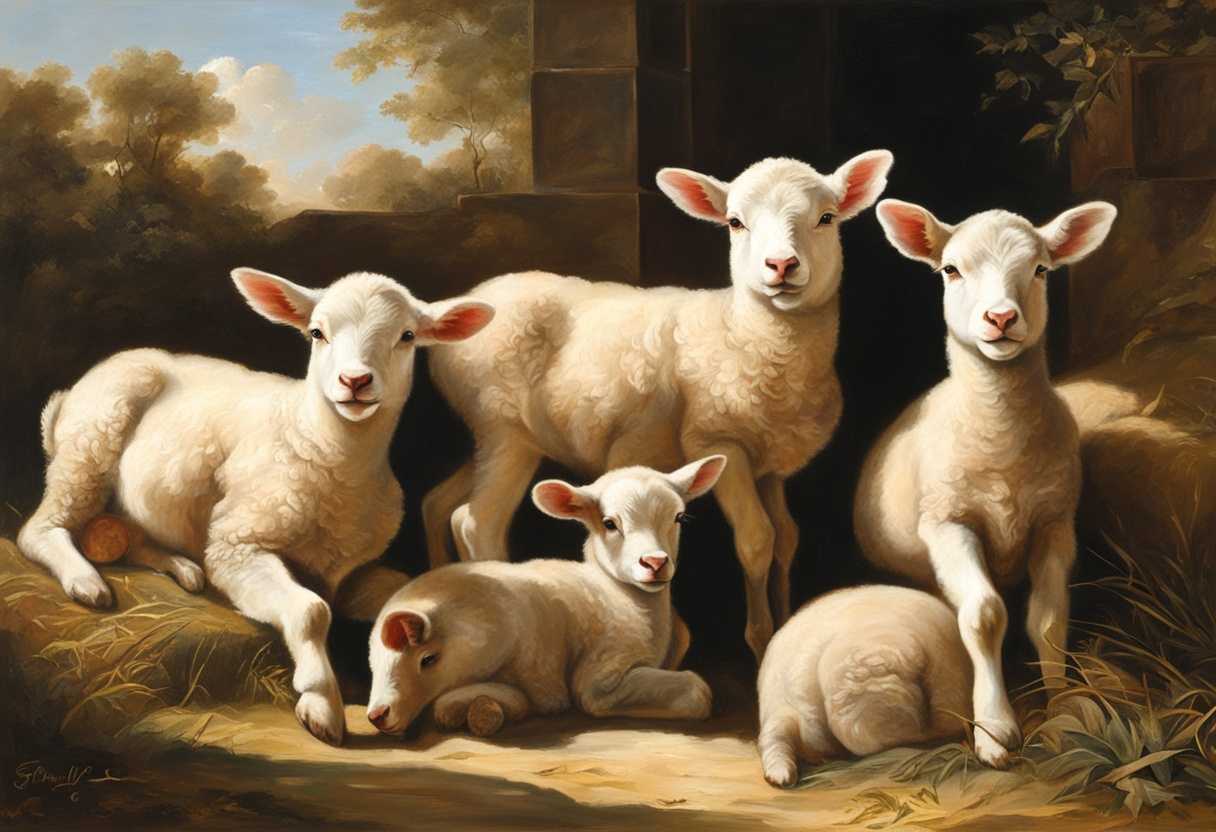
Setting the Scene for Genesis 21:30
In Genesis 21:30, we find Abraham and Abimelech making a covenant at Beersheba. The scene is set in the ancient city of Beersheba, a significant location in biblical history. Abraham, the patriarch of the Israelites, had settled in the region with his wife Sarah and their son Isaac. Abimelech, the king of Gerar, had come to Abraham with his chief of staff, Phicol, to make a treaty regarding a well that Abraham had dug.
The atmosphere is tense yet respectful as the two leaders come together to solidify their agreement. The desert landscape of Beersheba provides a stark backdrop to the meeting, with the well symbolizing a precious resource in the arid region. Abraham, a man of faith, seeks to establish peace with his neighbors, showcasing his diplomatic skills and desire for harmony. Abimelech, recognizing Abraham’s favor with God, acknowledges the patriarch’s authority and agrees to the terms of the covenant. The exchange serves as a testament to the importance of trust and cooperation in biblical narratives.
What is Genesis 21:30 about?
Abraham gives seven ewe lambs as a witness of his ownership of the well in Genesis 21:30 during a significant moment with Abimelech. This act serves as a symbol of the agreement and peace between the two parties. Abraham is not only declaring his ownership of the well but also establishing a tangible and lasting bond of trust with Abimelech by giving these lambs. The act of giving the ewe lambs signifies a deep sense of commitment and integrity in their relationship.
So, what can we learn from this verse? It teaches us the importance of honoring agreements and commitments in our relationships with others. Abraham and Abimelech solidified their covenant by using a physical symbol like the seven ewe lambs in a way that words alone could not express. We can strive to follow this example in our own lives by being true to our word and upholding our promises to others. We can find ways to demonstrate our trustworthiness and loyalty in our interactions with those around us, just as Abraham offered the ewe lambs as a witness.
Understanding what Genesis 21:30 really means
In Genesis 21:30, we witness a pivotal moment where Abraham and Abimelech come together to solidify a covenant at Beersheba. This act of agreement is not merely a historical event but a timeless lesson in the significance of clear communication and the acknowledgment of rightful ownership. The exchange of seven ewe lambs by Abraham to Abimelech serves as a tangible witness to the fact that Abraham had indeed dug a well at that location, emphasizing the importance of providing evidence to support claims and agreements.
The narrative in Genesis 21:30 is not an isolated incident in the Bible. In Genesis 26:28-31, we see Isaac, Abraham’s son, following in his father’s footsteps by making a covenant with Abimelech, highlighting the continuity of peaceful agreements and mutual respect across generations. This theme of honoring agreements and fostering understanding is further echoed in Hebrews 6:13-15, emphasizing the significance of faith and patience in God’s promises. The teachings of Jesus in Matthew 5:37 also align with the principles demonstrated in Abraham’s covenant, stressing the value of clear and honest communication in all aspects of life.
The relevance of Genesis 21:30 extends beyond its historical context, resonating with people today in various spheres of life. In a world where conflicts and misunderstandings are prevalent, this verse serves as a poignant reminder of the importance of transparency, trust, and mutual respect in relationships. By reflecting on the essence of this covenant, individuals are encouraged to prioritize open communication and establish firm foundations of trust in their interactions, be it personal, professional, or spiritual.
Consider a modern-day scenario where two neighbors find themselves at odds over a property boundary. Instead of resorting to hostility, they emulate the spirit of Abraham and Abimelech by engaging in honest dialogue and reaching a mutual agreement. This contemporary parallel underscores the enduring relevance of making covenants as a means to promote peace, understanding, and harmony in our communities.
The symbolic significance of the “seven ewe lambs” in Genesis 21:30 conveys a message of completeness and perfection, underscoring the gravity of the covenant between Abraham and Abimelech. The term “a witness” emphasizes the necessity of providing testimony or evidence to validate agreements, ensuring clarity and mutual understanding. Furthermore, the phrase “That I have dug this well” not only acknowledges Abraham’s labor but also highlights the importance of recognizing and appreciating each other’s contributions, a fundamental aspect of fostering healthy relationships.
By delving into the nuances of Genesis 21:30 and its interconnected themes with other biblical passages, we gain a deeper appreciation for the principles of trust, respect, and clear communication embedded within this narrative. As we navigate our own journeys, may we draw inspiration from the covenant at Beersheba to cultivate relationships built on transparency, integrity, and mutual understanding.
What does it mean to swear by God’s name?
Swearing by God’s name refers to making a solemn vow or promise that is backed by the divine authority of God. It signifies a commitment or assertion that one is speaking the truth or will fulfill a certain obligation. Abraham swears by God’s name to confirm his ownership of a well to Abimelek in Genesis 21:30. Abraham emphasizes the seriousness and truthfulness of his declaration by invoking God’s name in his oath, ensuring that his claim is acknowledged and respected.
Throughout the Bible, swearing by God’s name is a significant act that carries a heavy moral and spiritual weight. It is a way of invoking God as a witness to a statement or a pledge, showing reverence for His authority and truth. Individuals who swear by God’s name are held accountable to uphold their word, as God’s name represents the ultimate standard of honesty and integrity. It underscores the sacredness of the commitment being made and signifies that the individual is willing to accept divine judgment if they fail to fulfill their oath.
Application
Are you ready to be a beacon of integrity in a world that values trustworthiness? Let’s commit to honoring our word and upholding our promises like Abraham did with Abimelech. Let’s show the world the strength of our character by being people of honesty and dependability, no matter the circumstances. It’s time to embrace the challenge of being true to our word in every aspect of our lives. Will you rise to the occasion and make integrity your guiding principle today?

Reverend Michael Johnson is an experienced Church Minister with a profound expertise in spirituality and guidance. With a serene presence and a compassionate heart, he has faithfully served his congregation for over 20 years, leading them on a spiritual journey towards inner peace and enlightenment. Reverend Johnson’s extensive knowledge of religious philosophies and profound understanding of human nature have made him a trusted confidant and mentor to many, as he seamlessly weaves his profound wisdom into life teachings. Reverend Johnson’s calming demeanor and empathetic nature continue to uplift and heal souls, nurturing a sense of unity and tranquility within his community.