
Genesis 23:3-6 is about Abraham requesting to purchase a burial plot for his wife Sarah, signifying his respect for her in death and demonstrating the significance of honoring loved ones properly even in the midst of grief.
3 And Abraham rose up from before his dead and said to the Hittites,
4 “I am a sojourner and foreigner among you; give me property among you for a burying place, that I may bury my dead out of my sight.”
5 “And the Hittites answered Abraham,”
6 “Hear us, my lord; you are a prince of God among us. Bury your dead in the choicest of our tombs. None of us will withhold from you his tomb to hinder you from burying your dead.”
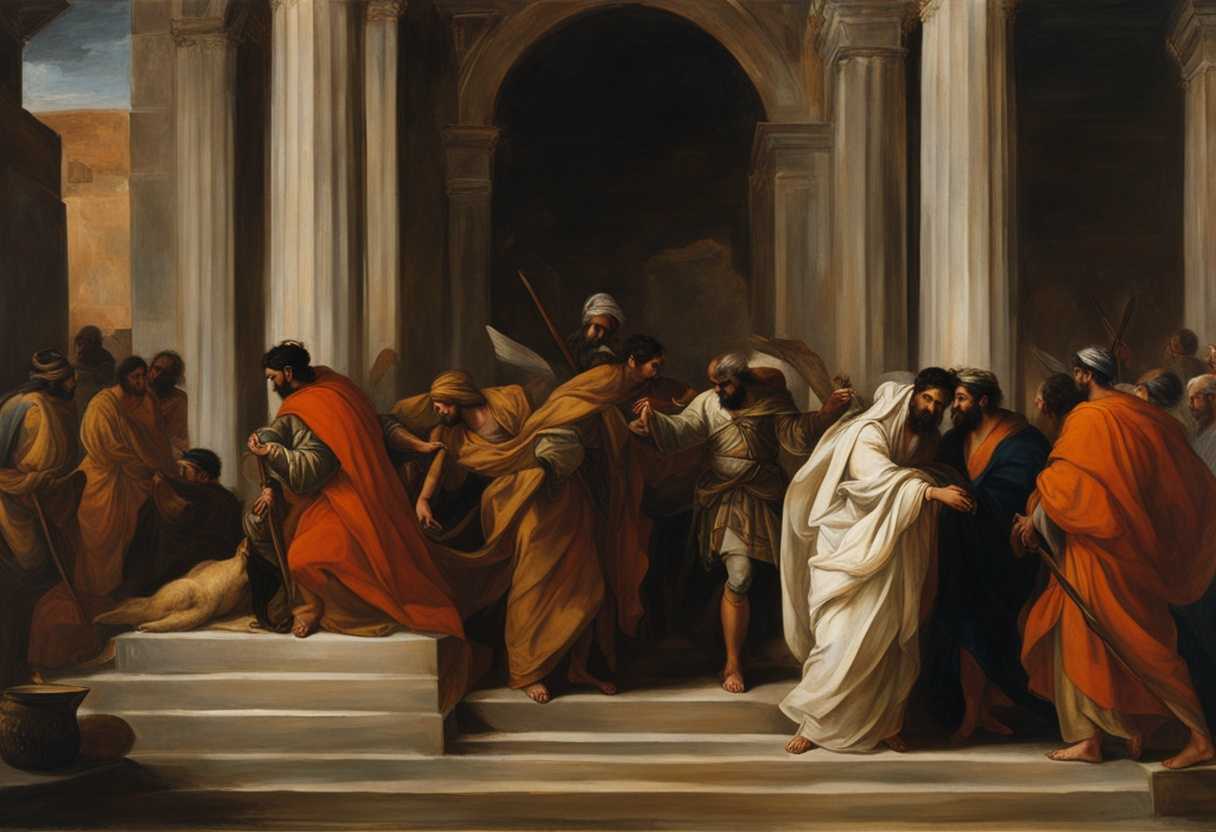
Setting the Scene for Genesis 23:3-6
In Genesis chapter 23, we find Abraham mourning the death of his wife, Sarah. The scene is set in the land of Canaan, specifically in Hebron. The atmosphere is heavy with grief as Abraham is devastated by the loss of his beloved wife. Sarah was not just his wife but also his partner in faith and the mother of his promised son, Isaac.
Surrounded by his servants and possibly some of his closest allies, Abraham is seen negotiating with the Hittites to purchase a burial site for Sarah. The Hittites were a prominent people in the region, and their leader, Ephron the Hittite, is present during the negotiations. The conversation is respectful but also strategic, as Abraham seeks to secure a proper burial place for Sarah, showing his love and respect for her even in death. The setting is solemn, with the sun casting long shadows over the ancient land as Abraham navigates this important transaction.
What is Genesis 23:3-6 about?
Abraham is faced with the loss of his beloved wife, Sarah, in this verse, marking a profound moment in his life. The act of mourning her death and seeking to buy a burial site in Canaan shows the depth of Abraham’s love and respect for Sarah. This moment highlights the importance of honoring the deceased and providing a dignified resting place for them. It also reflects the cultural and religious significance of burial practices in ancient times.
Have you ever experienced the pain of losing someone close to you? Imagine the emotions Abraham must have felt as he grieved the loss of Sarah. Abraham honored and remembered Sarah by purchasing a burial site for her, just as we naturally seek ways to do the same for our loved ones in times of loss. This verse reminds us of the power of love and the importance of honoring the memory of those who have passed on.
Understanding what Genesis 23:3-6 really means
In Genesis 23:3-6, we witness a poignant moment in Abraham’s life as he grapples with the loss of his beloved wife, Sarah. The passage opens with the striking image of Abraham rising from his place of mourning before his deceased wife. This action symbolizes a shift from grief to action, showcasing Abraham’s deep respect and love for Sarah. It also highlights his sense of responsibility to ensure that she receives a proper burial, a testament to the honor he held for her in life and death.
Abraham’s poignant words, “I am a foreigner and stranger among you,” resonate with a profound humility that transcends time. In acknowledging his outsider status among the Hittites, Abraham not only recognizes his own transient existence but also underscores the universal truth of human impermanence on earth. This acknowledgment of his temporary sojourn serves as a powerful reminder for us all to approach life with humility and gratitude, recognizing the fleeting nature of our time here.
The request Abraham makes to the Hittites to sell him a piece of land for a burial site reveals the importance of having a designated place to honor and remember our departed loved ones. This act of seeking a proper resting place for Sarah reflects Abraham’s deep love and respect for her, emphasizing the significance of honoring the memory of those who have passed on. It prompts us to consider how we honor and remember our own loved ones, recognizing the value of creating spaces for remembrance and reflection.
The response of the Hittites to Abraham’s request, acknowledging him as a “mighty prince among us,” speaks to the respect and esteem they held for him. This recognition of Abraham’s integrity and the blessings he had received from God serves as a testament to the impact of a life lived with honor and righteousness. It reminds us of the importance of conducting ourselves in a manner that earns the respect and admiration of those around us, regardless of our status or background.
Drawing parallels to contemporary life, the themes of humility, respect for the deceased, and the transient nature of existence remain universally relevant. In a world where many grapple with feelings of alienation or experience the loss of loved ones, this passage offers solace and guidance on navigating such challenges with grace and faith. It encourages us to approach life with humility, to honor the memory of those who have passed on, and to conduct ourselves in a manner that garners respect and admiration from others.
In reflecting on Genesis 23:3-6, we are reminded of the enduring lessons it imparts about the importance of humility, respect, and the recognition of our temporary sojourn on earth. It prompts us to honor our loved ones, to navigate life’s challenges with grace and faith, and to strive to earn the respect of those around us, embodying the virtues exemplified by Abraham in his interactions with the Hittites.
How do we show respect and honor to others?
Abraham’s respectful behavior towards others is learned in the passage from Genesis. He approaches the Hittites with humility and kindness, showing a deep level of respect. Abraham chooses to address them in a polite manner, through bowing down, acknowledging their authority, and expressing his desire to purchase a burial site. This gesture of respect sets the tone for the interaction and emphasizes the importance of honoring others.
To show respect and honor to others, we can follow Abraham’s example by approaching them with humility and kindness. We should acknowledge their worth and treat them with dignity, recognizing their authority and position. We can create a positive and harmonious relationship with those around us by showing respect in our words and actions, fostering mutual understanding and goodwill. Treating others with respect and honor upholds their dignity and reflects our own character. Respect is a fundamental value that strengthens relationships and creates a sense of unity and harmony within our communities. Through our attitudes and actions, we can demonstrate our reverence for others and cultivate a culture of mutual respect and understanding.
Application
Let’s be like Abraham, showing our loved ones respect and honor, both in life and in memory. Let’s cherish them deeply, not just with words, but through our actions. How will you demonstrate love and respect to your family today?

Reverend Michael Johnson is an experienced Church Minister with a profound expertise in spirituality and guidance. With a serene presence and a compassionate heart, he has faithfully served his congregation for over 20 years, leading them on a spiritual journey towards inner peace and enlightenment. Reverend Johnson’s extensive knowledge of religious philosophies and profound understanding of human nature have made him a trusted confidant and mentor to many, as he seamlessly weaves his profound wisdom into life teachings. Reverend Johnson’s calming demeanor and empathetic nature continue to uplift and heal souls, nurturing a sense of unity and tranquility within his community.