
Genesis 25:1-2 is about the genealogy of Abraham’s second wife Keturah and the birth of their children, showing that even in his old age, Abraham continued to fulfill God’s promise of becoming the father of many nations.
1 Abraham took another wife, whose name was Keturah.
2 She bore him Zimran, Jokshan, Medan, Midian, Ishbak, and Shuah.
Setting the Scene for Genesis 25:1-2
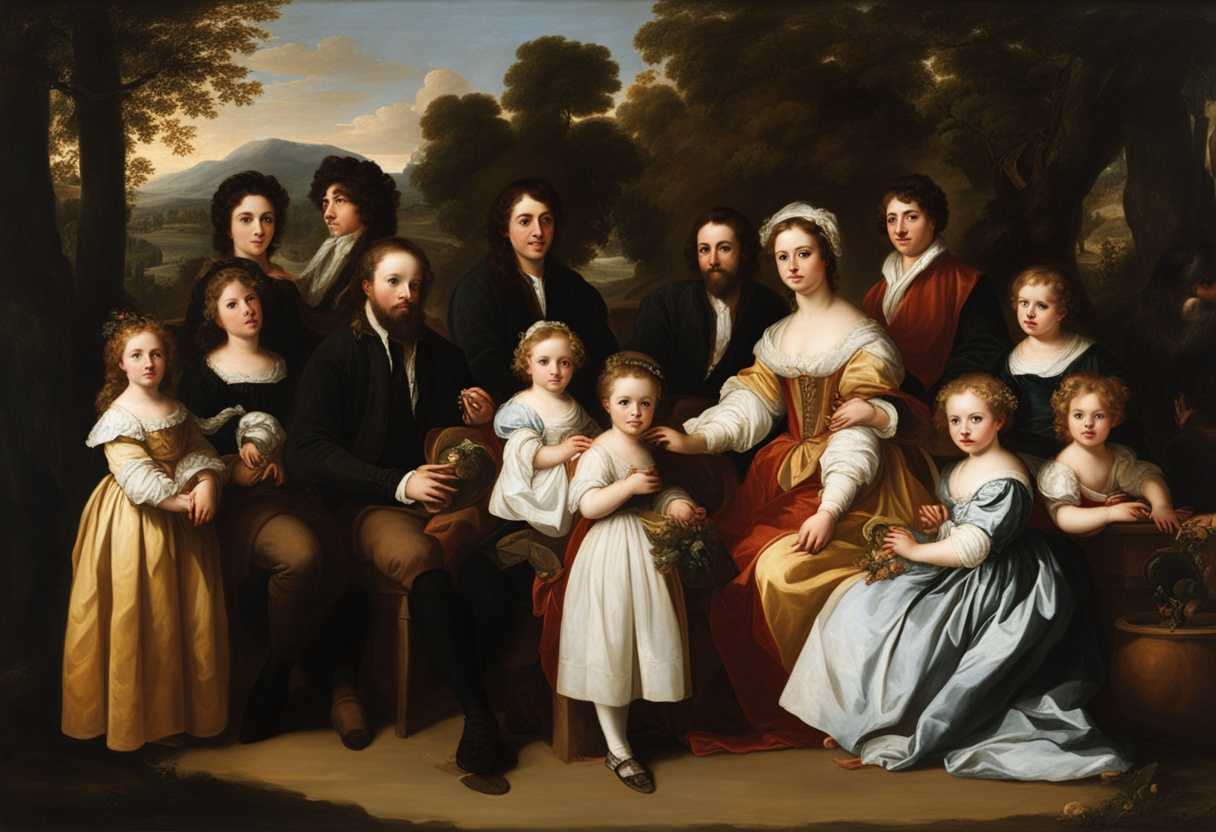
In Genesis 25:1-2, the scene is set in the later years of Abraham’s life. Abraham, the patriarch of the Israelites, has taken a wife named Keturah after the passing of his beloved Sarah. Keturah bore Abraham six children, adding to his lineage. The setting is a peaceful and prosperous time in Abraham’s life, as he enjoys the blessings of God in his old age.
Surrounded by his loyal servants and family members, Abraham is depicted as a respected and revered figure, with his descendants already beginning to multiply. The scene exudes a sense of contentment and fulfillment as Abraham’s legacy is being secured through his offspring. The atmosphere is one of gratitude and reflection on the promises that God had made to Abraham, which are now coming to fruition through the birth of his children with Keturah.
As Abraham’s descendants gather around him, the scene symbolizes the continuation of God’s covenant with Abraham and the fulfillment of his promise to make him the father of many nations. The setting is one of familial love and unity, as Abraham’s household expands and his descendants prepare to carry on his legacy.
What is Genesis 25:1-2 about?
Abraham enters a new phase of his life after the death of his wife, Sarah, in Genesis 25:1-2. The mention of him taking another wife, Keturah, and having children with her shows us that life goes on even after a great loss. It emphasizes the continuation of life, love, and family despite moments of sorrow and change.
This verse reminds us that relationships and families can evolve and grow, even in the face of loss and hardship. It prompts us to reflect on how we navigate transitions and find joy and purpose in new beginnings. It teaches us about the enduring nature of hope and the possibilities that come with embracing change by portraying Abraham’s resilience and capacity to love again.
Have you ever experienced a major life transition that led to unexpected blessings or opportunities? How do you think Abraham’s decision to marry Keturah speaks to the resilience and strength of the human spirit? Reflecting on this verse, how can we learn to embrace change and find joy in new chapters of our lives?
Understanding what Genesis 25:1-2 really means
Genesis 25:1-2 provides us with a glimpse into a pivotal moment in the life of Abraham, a prominent figure in the Bible. Following the passing of his wife Sarah, Abraham marries Keturah and expands his family. This passage holds significance as it showcases the continuation of Abraham’s lineage and the fulfillment of God’s promise to make him the father of many nations.
In Genesis 17:4-5, we witness God’s assurance to Abraham that he will be the father of numerous nations, a promise that unfolds through his offspring with Keturah. The connection between these passages underscores the faithfulness of God in fulfilling His promises over time. Similarly, in Romans 4:18-21, Paul reflects on Abraham’s unwavering faith and the realization of God’s pledges, emphasizing the pivotal role of faith in aligning with God’s divine plans.
The relevance of this passage extends to contemporary audiences by emphasizing the significance of unwavering faith and trust in God’s promises, even amidst life’s inevitable changes. It serves as a reminder of the potential for new beginnings and the perpetuation of God’s work through various life stages. Consider individuals who, like Abraham, discover fresh purpose and blessings following significant losses or transitions, illustrating the enduring message of hope and renewal through faith and perseverance.
The phrase “Abraham took another wife, whose name was Keturah” signifies a new chapter in Abraham’s journey, symbolizing that life progresses and unexpected blessings can emerge following profound losses. The enumeration of Abraham’s children with Keturah – Zimran, Jokshan, Medan, Midian, Ishbak, and Shuah – underscores the realization of God’s covenant to make Abraham the father of many nations. Each name represents a continuation of Abraham’s legacy and a testament to God’s unwavering faithfulness.
This passage prompts readers to lean into God’s timing and plans, even when faced with unforeseen circumstances. It serves as a poignant reminder that God’s promises transcend our current situations and that opportunities for fresh starts are ever-present. Reflect on instances in your life where God has ushered in new blessings and possibilities following periods of upheaval or loss, reinforcing the enduring themes of hope and faith encapsulated in this passage.
How can we cultivate forgiveness and reconciliation with others?
One way to cultivate forgiveness and reconciliation with others is by practicing empathy. We can strive to understand the perspectives and experiences of those who have wronged us, allowing us to see the situation from their point of view and find compassion in our hearts. We may be able to forgive them and work towards reconciliation by doing so.
Another important aspect is having humility and recognizing our own faults and shortcomings. Acknowledging our own mistakes can make it easier to extend forgiveness to others and approach reconciliation with a sense of humility and understanding. We create a more open and accepting atmosphere for reconciliation to take place by demonstrating a willingness to admit our own imperfections.
Furthermore, communication plays a crucial role in cultivating forgiveness and reconciliation. It is important to engage in open and honest dialogue with the person we are seeking to reconcile with, expressing our feelings, listening to their perspective, and working together towards finding common ground and moving forward in a positive and constructive manner. Effective communication can help build trust, understanding, and ultimately foster forgiveness and reconciliation.
Application
Reflect on your family heritage as if it is the most valuable treasure left for you. Your roots are not just stories but the foundation that shapes who you are today. Take the time to honor the faith and values that have been passed down through generations. Embrace this legacy as a gift that enriches your life. Will you seize this opportunity to dive deep into your family history and discover the spiritual inheritance waiting to be claimed?

Reverend Michael Johnson is an experienced Church Minister with a profound expertise in spirituality and guidance. With a serene presence and a compassionate heart, he has faithfully served his congregation for over 20 years, leading them on a spiritual journey towards inner peace and enlightenment. Reverend Johnson’s extensive knowledge of religious philosophies and profound understanding of human nature have made him a trusted confidant and mentor to many, as he seamlessly weaves his profound wisdom into life teachings. Reverend Johnson’s calming demeanor and empathetic nature continue to uplift and heal souls, nurturing a sense of unity and tranquility within his community.