
14 The name of the third river is the Tigris, which flows east of Assyria. And the fourth river is the Euphrates.
Setting the Scene for Genesis 2:14
In Genesis chapter 2, we find ourselves in the Garden of Eden, a lush and bountiful paradise created by God. The scene is set with Adam, the first man created by God, wandering through the garden, marveling at the beauty of the plants and animals around him. He is in awe of the perfect harmony and peace that surrounds him in this idyllic setting.
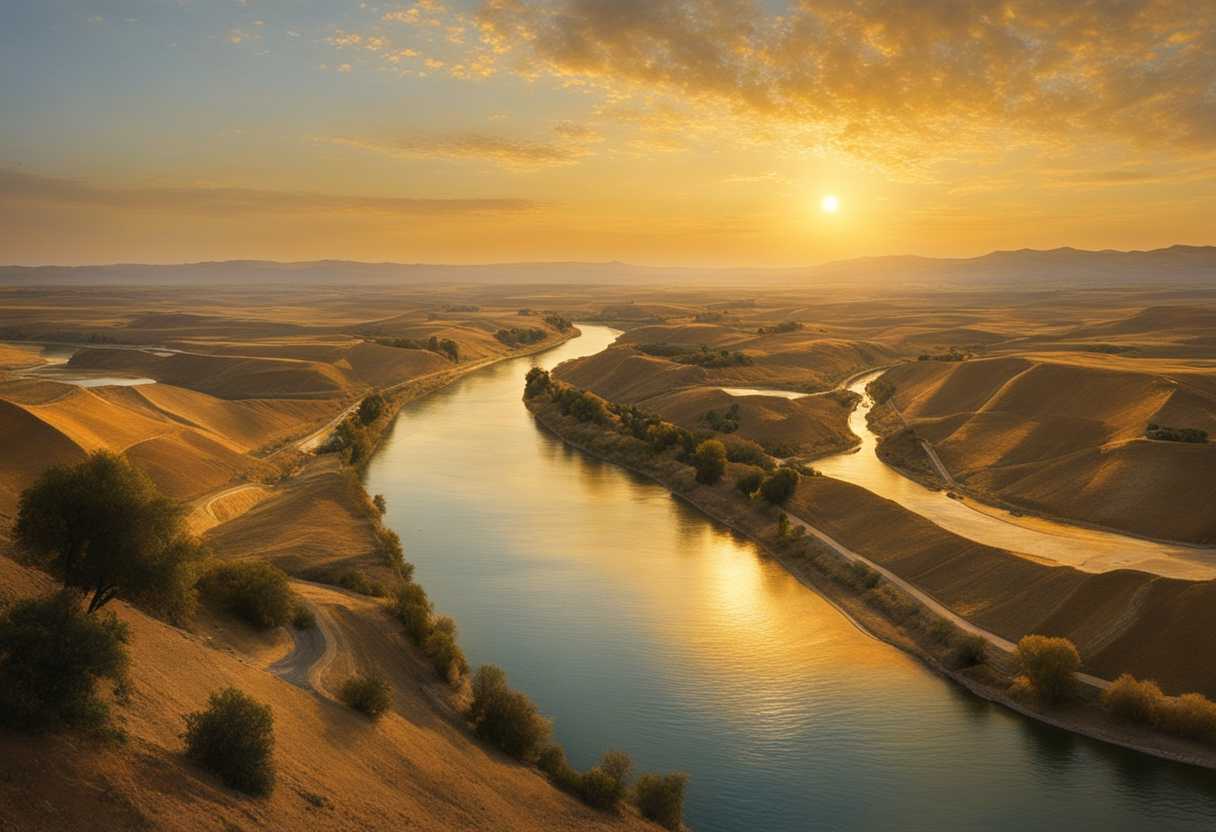
As Adam explores the garden, he comes across a river that flows through the land, providing water and life to all the vegetation. The river is named the Euphrates, one of the four rivers that watered the Garden of Eden according to the Bible. The sound of the water flowing gently creates a soothing atmosphere, adding to the tranquility of the garden.
In this serene moment, Adam is filled with gratitude and wonder at the magnificence of God’s creation. He is at peace, surrounded by the beauty of nature and the presence of his Creator. The Garden of Eden is a place of perfection and harmony, where man and God coexist in perfect unity.
What is Genesis 2:14 about?
The Bible mentions the names of four rivers in Genesis 2:14: the Pishon, the Gihon, the Tigris, and the Euphrates. These rivers are associated with the mysterious location of the Garden of Eden, a paradise where Adam and Eve first lived according to biblical teachings. The rivers are used as geographical markers to help us understand the general area where Eden may have been located, even though the exact location remains unknown. We can ponder the significance of rivers in the Bible as we reflect on this verse. Rivers are often seen as symbols of life, abundance, and sustenance. They represent the flowing of God’s blessings and the provision of essential resources for humanity. The Bible emphasizes the idyllic nature of the Garden and the harmonious relationship between humanity and creation by including the names of these rivers in the description of Eden. The verse invites us to contemplate the beauty and perfection of the world as God intended it to be, before sin entered and disrupted this harmony.
When we consider the rivers flowing out of Eden, we are reminded of the interconnectedness of all creation and our responsibility to care for the environment. The verse prompts us to reflect on the origins of humanity and our place in God’s design for the world. It challenges us to strive for a restoration of that original harmony and to seek ways to protect and preserve the precious resources that sustain life. Genesis 2:14 ultimately encourages us to appreciate the beauty of God’s creation and to be good stewards of the environment in which we have been placed.
Understanding what Genesis 2:14 really means
Structure for Commentary:
- Introduction: Set the context of the verse within the larger narrative of Genesis.
- Verse Breakdown: Discuss the specific phrases in the verse and their meanings.
- Related Scriptures: Reference other Bible passages that complement or expand on the themes of this verse.
- Modern Relevance: Explain why this verse is relevant to people’s lives today.
- Anecdote: Share a personal story or relatable scenario to illustrate the verse’s application.
- Conclusion: Summarize key points and encourage reflection.
Commentary:
Introduction
Genesis 2:14 is part of the Creation narrative, which describes how God created the heavens, the earth, and everything within them. This particular verse is nestled in the passage detailing the location and significance of the Garden of Eden, a physical space imbued with spiritual meaning. Understanding the context of Eden gives us deeper insights into God’s intention for humanity and the environment.
Verse Breakdown
The verse mentions four rivers flowing out of Eden, including the Tigris and Euphrates. “The name of the third river is Tigris; it is the one that flows east of Assyria.” This specific mention of geographical details demonstrates the physicality and reality of the locations described, grounding the spiritual truths in tangible, historical places. The Tigris and Euphrates are known rivers even today, reminding us of the enduring nature of God’s creation.
Related Scriptures
Psalm 46:4, “There is a river whose streams make glad the city of God, the holy place where the Most High dwells,” echoes the same symbolism of a life-giving river flowing from a divine source. Similarly, Revelation 22:1 speaks of “the river of the water of life” flowing from the throne of God in the New Jerusalem. These parallels enrich our understanding of the rivers in Genesis not merely as physical features but as symbols of God’s provision and sustenance. This passage can remind us of our connection to the earth and our responsibility for its stewardship in today’s context. Just as the rivers provided life and sustenance to Eden, so too do our natural resources sustain us today. How we care for these resources impacts not only our own lives but future generations. Reflect on this: How do we live in a way that honors the creation God has entrusted to us? A community garden thrives in a bustling city. Often, these small patches of green become a sanctuary for urban dwellers, a place to reconnect with nature and each other. Just like the rivers in Eden, which provided sustenance, these gardens offer more than just food; they provide a sense of community, purpose, and connection to creation. I once visited such a garden and saw firsthand how it transformed lives, bringing joy and renewal to those involved.
Conclusion
Genesis 2:14 may seem like a mere geographical detail, but it’s rich with meaning. It points us to God’s meticulous design and care in creation. Reflecting on this, we are called to recognize and honor the life-sustaining gifts around us. Take a moment to consider: Are we living in harmony with God’s creation? How can we better steward the natural blessings we often take for granted? Let this verse be a reminder of our place in God’s grand, interconnected creation.
What role does water play in spiritual symbolism?
Water has long been a powerful symbol in spiritual and religious contexts, often representing purification, life, renewal, and rebirth. Water is mentioned as a central element in defining the boundaries of lands and civilizations in the verse from Genesis 2:14. This can be seen as a reflection of the role water plays in establishing the physical and spiritual connections between different regions and peoples. Water is also often associated with the divine and the source of all life. Many spiritual traditions consider water a symbol of God’s presence and a means by which individuals can connect with the divine. The act of immersing oneself in water, such as through baptism or ritual purification, is believed to wash away sins and impurities, allowing for spiritual rebirth and renewal. Water in spiritual symbolism serves to convey deeper meanings about the cyclical nature of life, the importance of purification, and the potential for transformation and spiritual growth. It is a reminder that just as water sustains physical life, it also has the power to nourish and cleanse the soul, leading to spiritual enlightenment and growth.
Application
Think of Genesis 2:14 as the blueprint for our daily hustle. It reminds us of God’s intricate design in our hectic lives, just like balancing work and family. Feel the awe and gratitude for every detail around you. How can you preserve and cherish these gifts, like nurturing your career or family? What steps will you take today to respect and care for this beautiful world?

Reverend Michael Johnson is an experienced Church Minister with a profound expertise in spirituality and guidance. With a serene presence and a compassionate heart, he has faithfully served his congregation for over 20 years, leading them on a spiritual journey towards inner peace and enlightenment. Reverend Johnson’s extensive knowledge of religious philosophies and profound understanding of human nature have made him a trusted confidant and mentor to many, as he seamlessly weaves his profound wisdom into life teachings. Reverend Johnson’s calming demeanor and empathetic nature continue to uplift and heal souls, nurturing a sense of unity and tranquility within his community.