
9 And out of the ground the Lord God made to spring up every tree that is pleasant to the sight and good for food. The tree of life was in the midst of the garden, and the tree of the knowledge of good and evil.
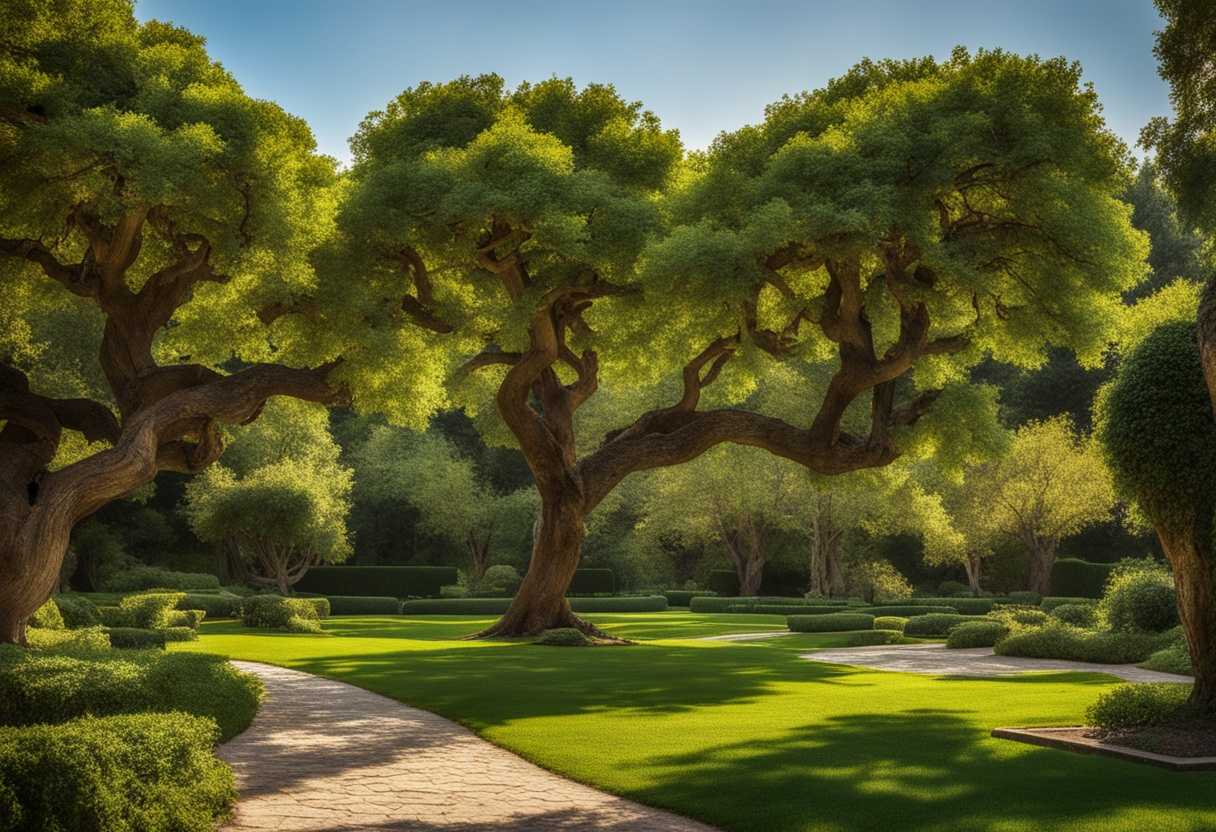
Setting the Scene for Genesis 2:9
In Genesis chapter 2, we find ourselves in the Garden of Eden, a lush and bountiful paradise created by God. The scene is set with Adam, the first man created by God, wandering through the garden, marveling at the beauty of the various trees and plants that God has placed there. The air is filled with the sweet fragrance of flowers, and the sound of birds chirping can be heard in the distance.
As Adam explores the garden, he comes across the Tree of Life and the Tree of the Knowledge of Good and Evil. These two trees hold great significance, as God has instructed Adam not to eat from the Tree of the Knowledge of Good and Evil, warning him that he will surely die if he does. The scene is serene and peaceful, with Adam enjoying the companionship of the animals and birds that God has created to keep him company.
In this idyllic setting, Adam’s curiosity is piqued as he contemplates the forbidden fruit on the Tree of the Knowledge of Good and Evil. The scene is filled with a sense of innocence and wonder, as Adam grapples with the choice before him, unaware of the consequences that will follow his decision.
What is Genesis 2:9 about?
God created the Garden of Eden with meticulous care and intentionality, as highlighted in Genesis 2:9. The mention of the tree of life symbolizes God’s provision of sustenance and vitality to humanity. Furthermore, the placement of the tree in the midst of the garden emphasizes its central importance and significance in God’s plan for mankind. God’s abundant generosity and His desire for us to live in harmony with Him and nature invite us to ponder as we reflect on this verse. This verse serves as a reminder of the beauty of God’s creation and His loving provision for us. It prompts us to consider how we can cultivate and nurture the gifts and blessings that God has entrusted to us, just as He carefully tended to the Garden of Eden.
Why did God choose to place the tree of life in the center of the garden? What does this reveal about His priorities and intentions for humanity? How can we draw parallels between God’s provision in the Garden of Eden and His ongoing care and sustenance in our lives today? We can uncover profound truths about God’s character and His plans for us by delving deeper into the symbolism and implications of this verse.
Understanding what Genesis 2:9 really means
Certainly! Let’s break down the structure for commenting on the verse from Genesis 2:9.
- Introduction
- Context within Genesis
- Explanation of Key Phrases
- Connections to Other Biblical Passages
- Relevance to Modern Life
- Anecdote for Illustration
- Conclusion and Reflection
Introduction
Genesis 2:9 is a verse that holds rich significance in the creation narrative. It’s a pivotal moment that sets the stage for humankind’s relationship with God and the environment He created. Understanding the subtle nuances of this passage can reveal profound truths about our existence and responsibilities. This verse falls within the second chapter of Genesis, which deals specifically with the creation of man and the Garden of Eden. This chapter serves to highlight the unique relationship between humans and the divine, as well as the world God has intricately designed for them.
Explanation of Key Phrases
The verse notes that God made “all kinds of trees grow out of the ground—trees that were pleasing to the eye and good for food.” This indicates the abundance and aesthetic beauty of God’s creation, designed to be both functional and beautiful. The trees are not just utilitarian but also meant to bring joy and wonder. Then, it mentions “the tree of life” and “the tree of the knowledge of good and evil.” These are not merely physical trees but symbolic of deeper spiritual truths. The tree of life represents eternal life and communion with God, while the tree of knowledge represents the boundaries of human autonomy and the potential for disobedience.
Connections to Other Biblical Passages
The themes introduced here are echoed throughout Scripture. For example, Revelation 22:2 speaks of the tree of life, emphasizing its eternal significance. The struggle for wisdom and boundaries that begins with the tree of the knowledge of good and evil finds echoes in Proverbs 3:18, where wisdom is described as a “tree of life” to those who take hold of her. These connections tie back to the core message that wisdom and life are inherently linked to our relationship with God.
Relevance to Modern Life
Today, the symbols of these trees can still resonate deeply with us. The tree of knowledge of good and evil reminds us of the consequences of our actions and decisions in a world filled with choices. It calls us to seek wisdom and make ethical choices. On the other hand, the tree of life offers a vision of hope and an invitation to communion with God. We often overlook the essential need for a relationship with the Creator who provides true life and joy in our quest for knowledge and progress. A young professional, in the pursuit of success and knowledge, feels increasingly estranged from a sense of purpose and fulfillment. Despite acquiring material gains and intellectual accolades, there remains a void that achievements cannot fill. This person represents many of us today, caught between the fruits of labor and the lack thereof of spiritual nourishment. The trees in the Garden of Eden are metaphors for the choices we face: ones that could lead to life, wisdom, and peace, or to confusion and a lack of fulfillment.
Conclusion and Reflection
Genesis 2:9 serves as a profound reminder of God’s intention for beauty, sustenance, and moral boundaries in our lives. These biblical truths urge us to look beyond mere appearances and seek a deeper, more meaningful connection with our Creator as we navigate through our daily choices. Are we prioritizing the fruits that lead to eternal life, or are we captivated by the allure of knowledge devoid of wisdom? Contemplating this verse invites us to reflect on our own lives and the choices we make. Let us seek to nourish not only our bodies but also our souls, fostering a relationship with the One who provides all good things.
What is the significance of the Tree of Life?
The significance of the Tree of Life in Genesis 2:9 lies in its representation of immortality and eternal life. The Tree of Life is planted in the Garden of Eden in the context of the verse, symbolizing a source of perpetual sustenance and vitality. It is a powerful symbol of divine life and connection to God, offering the promise of living forever in a state of grace and communion with the Creator.
The Tree of Life serves as a reminder of humanity’s potential for spiritual growth and transformation. It symbolizes the harmonious relationship between humans and God, emphasizing the importance of following divine guidance and living in alignment with God’s will. Partaking of the Tree of Life can help one attain spiritual nourishment and achieve a state of grace that transcends the limitations of mortal existence. It stands as a symbol of hope, redemption, and the promise of eternal life for those who seek to live according to God’s divine purpose.
Application
Imagine your faith as a hidden garden amid the concrete jungle of work and family. Just as you balance your schedules and care for loved ones, your spiritual garden needs attention. Feed it with prayer, study, and community like sunlight and water. Watch as your dedication brings it to life, bearing fruits of peace and strength. Are you ready to take that first step to nurture your spiritual garden today?

Reverend Michael Johnson is an experienced Church Minister with a profound expertise in spirituality and guidance. With a serene presence and a compassionate heart, he has faithfully served his congregation for over 20 years, leading them on a spiritual journey towards inner peace and enlightenment. Reverend Johnson’s extensive knowledge of religious philosophies and profound understanding of human nature have made him a trusted confidant and mentor to many, as he seamlessly weaves his profound wisdom into life teachings. Reverend Johnson’s calming demeanor and empathetic nature continue to uplift and heal souls, nurturing a sense of unity and tranquility within his community.