
Genesis 49:13-15 is about the prophetic blessings Jacob gives to his son Zebulun, highlighting his future role as a seafaring tribe that will thrive through trade and commerce, while also reflecting themes of strength, adaptability, and the importance of embracing one’s destiny in a diverse and challenging environment.
13 “Zebulun shall dwell at the shore of the sea; he shall become a haven for ships, and his border shall be at Sidon.
14 “Issachar is a strong donkey, lying down between the sheepfolds.
15 He saw that a resting place was good, and that the land was pleasant, so he bowed his shoulder to bear, and became a servant at forced labor.
Setting the Scene for Genesis 49:13-15
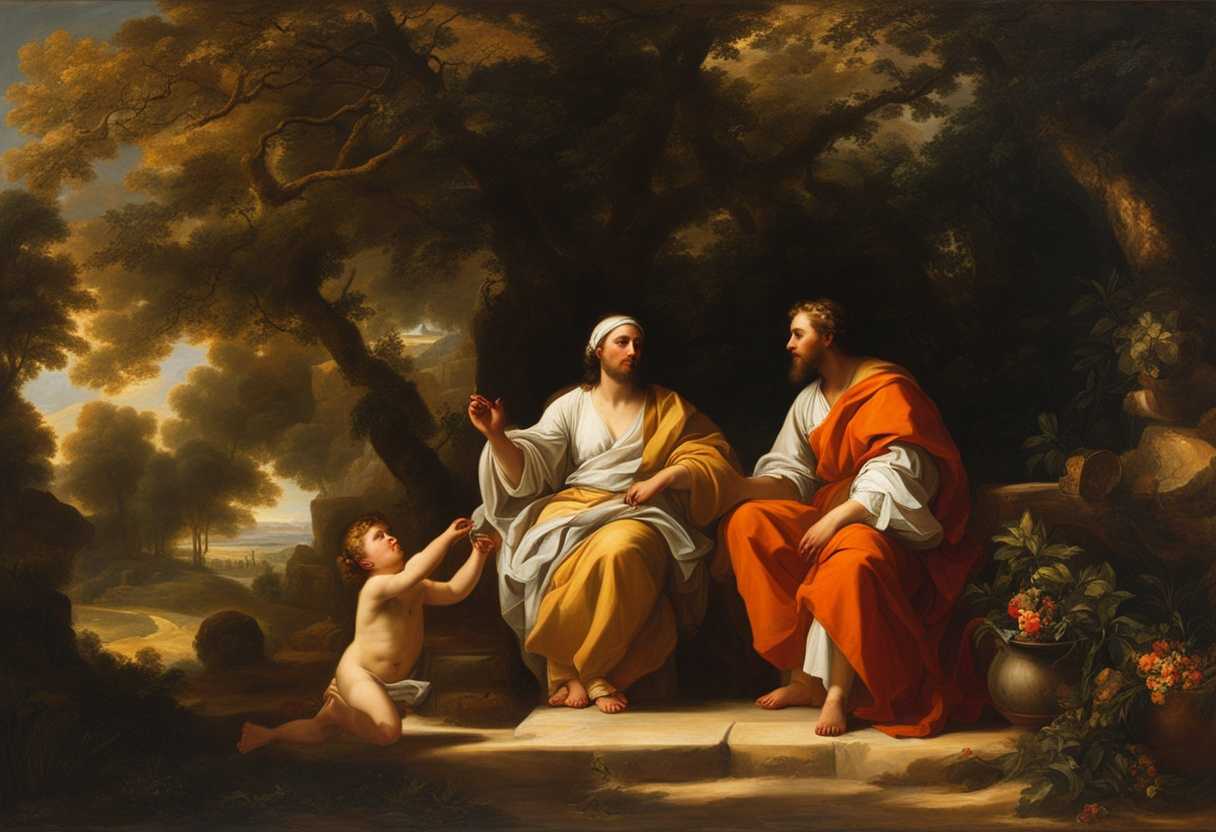
In the twilight of his life, Jacob, the patriarch of the Israelite tribes, gathers his sons around him in a solemn moment of blessing and prophecy. The air is thick with anticipation as the twelve brothers, each representing a distinct tribe, come together in the dimly lit tent that has served as their family home. The flickering flames of a nearby fire cast dancing shadows on the canvas walls, illuminating the weathered faces of the men who have journeyed through trials and triumphs together. Jacob, now frail and aged, sits on a low mat, his eyes reflecting both wisdom and weariness, as he prepares to impart his final words to each of his sons.
As Jacob begins to speak, he turns his gaze toward Zebulun, the sixth son, who stands with a mixture of pride and apprehension. Zebulun, known for his strength and resilience, has spent his life navigating the challenges of their nomadic existence. Jacob recalls the days when Zebulun would venture into the bustling markets by the sea, trading goods and forging connections with distant peoples. The salty breeze from the nearby coast seems to whisper through the tent, a reminder of the land that lies ahead for Zebulun and his descendants. Jacob’s voice, though frail, carries the weight of a father’s love and the authority of a patriarch as he speaks of Zebulun’s future, foretelling that he will dwell by the sea and become a haven for ships, a place of commerce and prosperity.
The scene is imbued with a sense of destiny as Jacob continues, his words weaving a tapestry of blessings and warnings for each son. The brothers listen intently, their hearts heavy with the knowledge that this moment marks a turning point in their family history. As Jacob speaks of Issachar, the fifth son, and his character as a hardworking and steadfast man, the atmosphere shifts, filled with a mix of hope and trepidation. The tent, once a sanctuary of familial bonds, now feels like a stage where the future of the tribes of Israel is being unveiled. The surrounding landscape, dotted with the rugged hills of Canaan, serves as a backdrop to this pivotal moment, a reminder of the land promised to their forefathers. In this sacred space, the legacy of Jacob and his sons is being etched into the annals of history, a moment that will resonate through generations to come.
What is Genesis 49:13-15 about?
Jacob’s blessings bestowed upon Zebulun in Genesis 49:13-15 reveal a promising future for this tribe, characterized by prosperity and engagement in trade and maritime activities. When Jacob states that Zebulun will dwell by the seashore and become a haven for ships, he underscores the strategic significance of maritime trade in an ancient context. Have you ever considered how vital coastal access was for trade and cultural exchange? Through trade, Zebulun not only became economically prosperous but also served as a bridge between different cultures and communities, highlighting the importance of connection and cooperation.
The imagery of Zebulun being a “haven for ships” reflects not only physical prosperity but an underlying theme of adaptability and resilience. Is there a lesson here for us today? We too can learn the value of recognizing and seizing the opportunities that come our way, even in challenging circumstances, just as Zebulun embraced the opportunities offered by their environment. The reference to Zebulun’s “strength” might suggest that resilience stems from understanding one’s unique position and leveraging that for growth. Could we adopt a mindset similar to Zebulun’s, where we look beyond our present situations and imagine how we might create pathways to success through innovation, collaboration, and strategic thinking? This passage invites us to reflect on our identities and contributions to our communities. Perhaps Zebulun’s role in trade invites us to consider our individual gifts and how we can share them with others. What unique resources do we possess that can enrich the lives of those around us? Zebulun serves as a powerful reminder of how our choices and actions can foster prosperity not just for ourselves, but also for those within our spheres of influence. Therefore, as we ponder Zebulun’s legacy, let us ask ourselves: how can we emulate their spirit of trade and connection in our own lives?
Understanding what Genesis 49:13-15 really means
In Genesis 49:13-15, we encounter Jacob’s blessings to his sons, specifically focusing on Zebulun and Issachar. This passage is rich with imagery and meaning, offering insights into the future roles of these tribes. Zebulun is described as dwelling by the sea, while Issachar is likened to a strong donkey. These metaphors not only highlight their characteristics but also provide a framework for understanding the values of hard work and community support.
The phrase “Zebulun shall dwell at the shore of the sea” suggests a life intertwined with trade and commerce. This connection to the sea symbolizes prosperity and abundance, indicating that Zebulun’s descendants would thrive in maritime activities. Have you ever considered how our environments shape our opportunities? The coastal setting of Zebulun represents not just a geographical location but a lifestyle that embraces the potential for growth and success through trade.
Moreover, the statement “He shall become a haven for ships” emphasizes the importance of community. A haven is a place of safety and refuge, which speaks to the need for support during challenging times. In our own lives, how often do we find ourselves in need of a safe space? The idea of Zebulun as a supportive community encourages us to reflect on our roles in fostering environments where others can find solace and assistance.
On the other hand, Issachar is described as “a strong donkey,” a metaphor that illustrates the hardworking nature of his descendants. This imagery evokes a sense of perseverance and dedication. In a world that often glorifies quick success, the value of hard work can sometimes be overlooked. Proverbs 10:4 reminds us that “lazy hands make for poverty, but diligent hands bring wealth.” How can we cultivate a spirit of diligence in our daily lives?
The relevance of these blessings extends beyond ancient times. In today’s fast-paced society, the principles of hard work and community support are more crucial than ever. We are called to find our place within our communities, whether through trade, service, or simply being there for one another. Consider the example of a small coastal town thriving on fishing and trade. When storms damage boats, the community rallies together to repair them, embodying the spirit of Zebulun. This illustrates how collective effort can lead to resilience and prosperity.
In conclusion, the blessings of Zebulun and Issachar serve as a powerful reminder of the importance of hard work and community. As we navigate our lives, let us strive to embody these values, becoming diligent in our efforts and a safe haven for those around us. Reflecting on this passage encourages us to think critically about our contributions to our communities and the support we offer to one another. How can we be a light in our world, shining brightly through our actions and relationships?
How can I balance my strengths and weaknesses?
Balancing strengths and weaknesses involves recognizing that both are integral parts of our character and can influence our life journey. The passage reflects the idea that each person’s unique qualities can shape their path and ultimately contribute to their success or struggles. It suggests embracing one’s strengths while being aware of how weaknesses can affect outcomes. Individuals can make better decisions about how to navigate challenges and leverage their abilities by understanding both aspects.
To achieve this balance, it’s essential to practice self-awareness. This involves taking stock of what you excel at and where you may face limitations. Acknowledging strengths can build confidence and pursue opportunities that allow you to thrive. At the same time, recognizing weaknesses provides a chance for personal growth. It’s about cultivating an attitude that views challenges not as deterrents but as opportunities for development. This approach fosters resilience and equips you to handle setbacks with grace.
Additionally, collaboration and support from others can be invaluable in this balancing act. Engaging with those who complement your skills can enhance your strengths and help address your weaknesses. Surrounding yourself with a diverse group of people allows you to gain different perspectives and solutions that you might not have considered. Embracing both your strengths and weaknesses ultimately allows for a more holistic development of character, enabling you to navigate life’s complexities more effectively.
Application
Think of your life like a ship navigating through work and family. Just as Zebulun’s destiny connects with both the sea and land, your calling ties into your community and beyond. What role do you play in this vast ocean of life—are you serving, supporting, or leading? It’s time to wake up to your unique purpose and chase it with the fire it deserves. Are you ready to steer your ship toward your true calling?

Reverend Michael Johnson is an experienced Church Minister with a profound expertise in spirituality and guidance. With a serene presence and a compassionate heart, he has faithfully served his congregation for over 20 years, leading them on a spiritual journey towards inner peace and enlightenment. Reverend Johnson’s extensive knowledge of religious philosophies and profound understanding of human nature have made him a trusted confidant and mentor to many, as he seamlessly weaves his profound wisdom into life teachings. Reverend Johnson’s calming demeanor and empathetic nature continue to uplift and heal souls, nurturing a sense of unity and tranquility within his community.