
8 “Judah, your brothers shall praise you;
your hand shall be on the neck of your enemies;
your father’s sons shall bow down before you.
9 Judah is a lion’s cub;
from the prey, my son, you have gone up.
He stooped down; he crouched as a lion
and as a lioness; who dares rouse him?
10 The scepter shall not depart from Judah,
nor the ruler’s staff from between his feet,
until tribute comes to him;
and to him shall be the obedience of the peoples.
Setting the Scene for Genesis 49:8-10
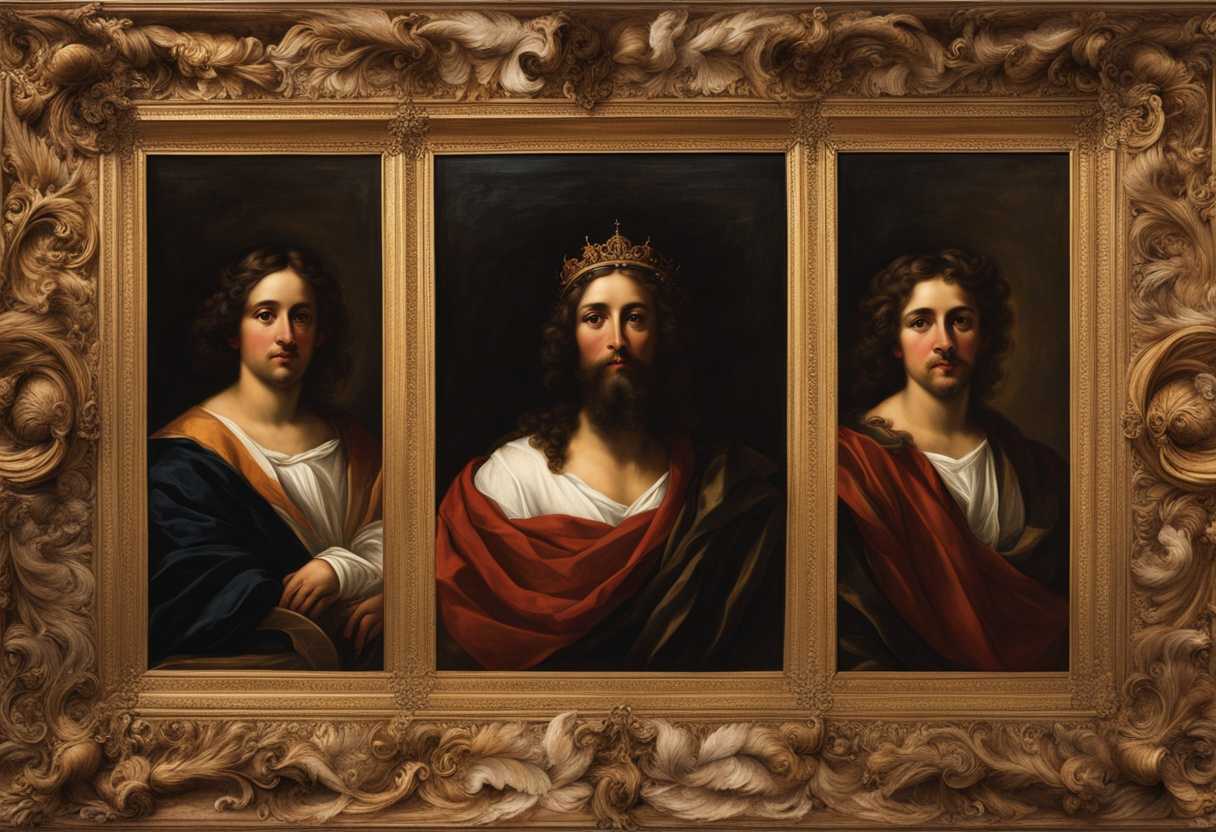
In Genesis 49:8-10, we find Jacob, also known as Israel, gathered with his twelve sons on his deathbed. The scene is set in Egypt, where Jacob and his family had settled during a time of famine. As Jacob is about to pass away, he calls his sons to his side to bless them and prophesy about their future.
The twelve sons present are Reuben, Simeon, Levi, Judah, Issachar, Zebulun, Dan, Naphtali, Gad, Asher, Joseph, and Benjamin. Each son represents one of the twelve tribes of Israel, and Jacob’s blessings and prophecies over them in this chapter foretell the future of these tribes.
Surrounded by his sons, Jacob speaks words of blessing and prophecy over each one, including the famous prophecy about Judah in verses 8-10, where Jacob foretells that the scepter will not depart from Judah until Shiloh comes, a reference to the future Messiah, Jesus Christ. This poignant scene captures the passing of the patriarchal blessing from Jacob to his sons, setting the stage for the future of the nation of Israel.
What is Genesis 49:8-10 about?
This verse from the book of Genesis encapsulates a significant moment in the biblical narrative, where Jacob bestows a special blessing upon his son Judah. This blessing not only speaks to Judah’s future leadership role among his brothers but also carries a profound prophetic message about the coming of the Messiah. Jacob is foreshadowing the establishment of the tribe of Judah as a central and influential tribe in Israel’s history by highlighting Judah’s position of honor and authority within the family. This verse invites us to consider the power of blessings and prophecies in shaping the course of our lives and the unfolding of divine plans as we reflect on it. Through Jacob’s words, we witness the intricate way in which God’s promises and purposes are woven into the lives of individuals and the broader scope of salvation history. This verse serves as a reminder of God’s sovereignty and faithfulness in orchestrating His redemptive plan through the lineage of Judah, culminating in the ultimate fulfillment of these prophecies in the person of Jesus Christ. Jacob’s blessing to Judah encourages us to contemplate the ways in which God’s promises are at work in our own lives as we meditate. Just as Judah was called to a position of leadership and significance, we too are called to embrace our unique roles in God’s plan and to anticipate the fulfillment of His promises in our lives. We can draw inspiration from this verse to walk in faith and expectation, knowing that God’s plans for us are good and that He is faithful to bring them to fruition in His perfect timing.
Understanding what Genesis 49:8-10 really means
Structure:
1. Introduction and overview of the context
2. Explanation of meaningful phrases and themes
3. Cross-references with other biblical passages
4. Relevance to modern readers
5. Anecdote to illustrate the message
6. Conclusion with a call to reflect and apply
Commentary:
Introduction and Overview of the Context:
Genesis 49:8-10 contains Jacob’s blessings to his sons, specifically Judah in this passage. At this juncture, Jacob, nearing the end of his life, prophesies the future destinies of his sons and their descendants. His words to Judah are particularly prophetic and messianic.
Explanation of Meaningful Phrases and Themes:
The phrases “your brothers shall praise you,” “your father’s sons shall bow down before you,” and “the scepter shall not depart from Judah” highlight key themes of leadership, authority, and a coming ruler from Judah’s lineage. The term “scepter” symbolizes royal authority, foretelling a lineage of kings, ultimately pointing to the future King, the Messiah. Jesus is referred to as the “Lion of the tribe of Judah” in Revelation 5:5, directly linking the prophecy in Genesis to the New Testament fulfillment. Psalms 2:9 and 110:1-2 also discuss the scepter and Messiah, reinforcing the prophecy of a perpetual kingship.
Relevance to Modern Readers:
These verses speak to the enduring promise and certainty of God’s word. Despite immediate circumstances, God’s plan unfolds faithfully. These promises offer believers hope and assurance that God’s purposes are steadfast in a world of uncertainty.
Anecdote to Illustrate the Message:
I recall a friend who, facing a challenging period, drew immense comfort from the idea of God’s immovable promises. Despite job loss and health issues, the hope in a faithful God who orchestrates history gave her strength. She often quoted this prophecy, reminding herself that if God could fulfill His promises through millennia, He could undoubtedly handle her life’s details. Let’s consider how God’s unfailing promises impact our lives as we reflect on Genesis 49:8-10. How do we draw strength and hope from them in our everyday struggles? Let Judah’s prophecy remind us of God’s unwavering faithfulness and spark a deeper trust in His sovereign plan. Reflect on areas where you need to trust God’s ultimate control and let this prophecy bolster your faith.
What is the significance of the scepter and ruler?
The scepter refers to a symbol of authority and leadership in this verse. It represents the power to rule and make decisions. The ruler mentioned is a figure who holds this authority and is in a position of leadership. This imagery suggests that the one holding the scepter and the ruler is given a divine mandate to guide and govern.
Furthermore, the mention of the scepter and ruler in these verses signifies the establishment of a lineage or a line of descendants who will hold this position of leadership. It implies a line of succession where the scepter of authority will be passed down through generations to the ruler chosen by God. This recognition of a specific family line to hold authority underscores a sense of continuity and stability in the leadership of a community or a people. The significance of the scepter and ruler in this verse points towards the idea of divine appointment and the passing down of leadership responsibilities from one generation to the next. It highlights the importance of having a designated leader who is chosen and empowered by God to guide and govern the community according to His will.
Application
Imagine your life as a bustling workplace or a busy home. In the midst of daily chaos, there’s a leader waiting to bring order and purpose. Jesus, the prophesied ruler from Judah, stands ready to be that leader. Embrace Him as your ultimate CEO or head of the family. Will you let His leadership guide your steps and transform your path?

Reverend Michael Johnson is an experienced Church Minister with a profound expertise in spirituality and guidance. With a serene presence and a compassionate heart, he has faithfully served his congregation for over 20 years, leading them on a spiritual journey towards inner peace and enlightenment. Reverend Johnson’s extensive knowledge of religious philosophies and profound understanding of human nature have made him a trusted confidant and mentor to many, as he seamlessly weaves his profound wisdom into life teachings. Reverend Johnson’s calming demeanor and empathetic nature continue to uplift and heal souls, nurturing a sense of unity and tranquility within his community.