
25 When Methuselah had lived 187 years, he fathered Lamech.
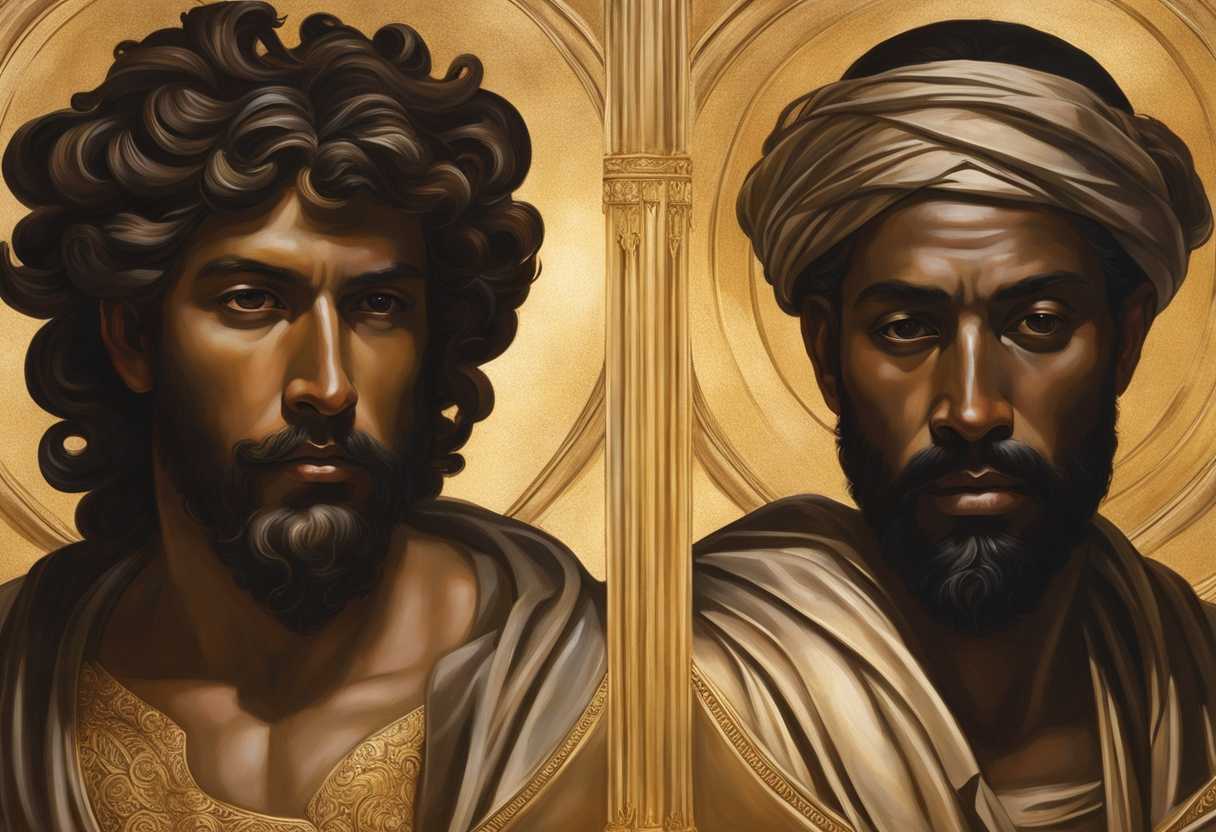
Setting the Scene for Genesis 5:25
In Genesis chapter 5, we find ourselves in the midst of a genealogy that traces the descendants of Adam. The scene is set in a time when people lived significantly longer lives than they do now. One of the key figures in this chapter is Methuselah, who is known for living the longest recorded lifespan in the Bible – 969 years. Methuselah’s father, Enoch, is also highlighted in this genealogy as a man who walked faithfully with God and was taken by God without experiencing death.
The surroundings are likely simple and pastoral, reflecting an ancient setting with a focus on family and lineage. The individuals mentioned in this chapter are connected through their bloodline, each one representing a link in the chain of humanity’s early history. As the names and ages are listed, it becomes evident that these individuals were part of a lineage that would eventually lead to significant figures in biblical history, such as Noah.
The scene is solemn and reflective, emphasizing the passing of time and the continuity of generations. The mention of Methuselah’s extraordinary lifespan serves as a reminder of the mysterious and miraculous elements present in the early chapters of Genesis, setting the stage for the unfolding narrative of God’s plan for humanity.
What is Genesis 5:25 about?
Isn’t it fascinating to think about Methuselah and his incredible 969-year lifespan? This verse from the Bible not only showcases the longevity of Methuselah but also serves as a reminder of the mysterious and awe-inspiring aspects of the scriptures. Imagine the wisdom and experiences Methuselah must have accumulated over nearly a millennium of life. What lessons could we learn from someone who lived for so long? We may also reflect on the significance of time, mortality, and the passage of generations as we contemplate Methuselah’s extraordinary lifespan. This verse can prompt us to consider the brevity of our own lives and the importance of making the most of the time we have. Additionally, it can inspire us to reflect on the complexities of faith, history, and the narratives that shape our understanding of the world. How does Methuselah’s story challenge our perceptions of age, longevity, and the divine? And what deeper meanings or teachings can we draw from his unparalleled existence? As we delve into the richness of biblical narratives and the enduring lessons they offer, let us ponder these questions.
Understanding what Genesis 5:25 really means
We encounter a verse in Genesis 5:25 that, while succinct, offers profound insights into the themes of longevity, legacy, and divine purpose within the biblical narrative. Dissecting the significance of these themes not only enriches our understanding of the text but also enhances our spiritual journey as religious scholars and believers.
The verse mentions Methuselah, who is often celebrated as the oldest man in the Bible, having lived 969 years. This extraordinary longevity can be seen as a symbol of God’s blessing and favor. Long life is frequently associated with righteousness and divine approval in biblical terms. Think, for instance, of Psalm 91:16, where God promises, “With long life I will satisfy him and show him my salvation.” What does Methuselah’s age imply about his spiritual status, and what message does it convey to us today about God’s blessings?
Furthermore, Methuselah’s life span bridges the gap between Adam and the Flood, underscoring his role in the unfolding human saga that Genesis narrates. This inserts a layer of continuity and divine oversight into the narrative, where each generation is a link in the chain of God’s salvific plan. Reflect on this: how often do we consider our lives as part of a larger divine narrative?
The timing of Methuselah’s death, which occurs just before the Flood, is also symbolically significant. It suggests a closure to one epoch and the ominous commencement of another. This transition marks a divine response to human morality and sets the stage for renewal. This prompts us to ponder the transitions in our own lives and the world at large—how do we see God’s hand at work in these changes?
Importantly, while the mention in Genesis might be brief, focusing solely on his age and offspring, the powerful undercurrent of his story invites us to reflect on our own legacies. What are we known for? What will we leave behind? These questions about legacy resonate deeply in today’s fast-paced world as we consider the impact of our lives on future generations. This verse, though compact, opens a window into broader theological and existential reflections. Consider how you play out the concepts of longevity, legacy, and divine purpose in your own life. Are we, like Methuselah, merely counting days, or are we making our days count in the grand narrative that God scripts for each of us? Reflect on this and discuss: How can we contribute meaningfully to the story that extends beyond us?
How can we ensure our lives honor God’s plan?
To ensure our lives honor God’s plan, we can strive to live in obedience to His teachings and commandments. We can align our actions and decisions with God’s plan for us by following His will and seeking His guidance through prayer and studying the scriptures. This includes showing love and compassion to others, practicing forgiveness, and serving those in need, as these actions reflect God’s character and will for us.
Additionally, it is important to trust in God’s timing and providence, even when things may not go according to our plans. We can find peace and contentment by having faith that God has a purpose for each of us and that He is in control of all things. Striving to live a life of faithfulness, humility, and gratitude allows us to honor God’s plan and bring glory to Him in all that we do.
Application
Imagine your life as a bustling office where every task, big or small, matters. Now, think of walking with God as the ultimate partnership that streamlines your priorities, clears your agenda, and focuses your energy on what truly matters—your spiritual growth and connection with the Divine. In a world brimming with distractions, choosing to walk closely with God is like selecting the perfect teammate in the complex game of life. It’s about turning each decision, each moment, into an act of faith and obedience. So, as you map out your daily tasks, ask yourself: How can I make room for God today? How will this choice bring me closer to Him?

Reverend Michael Johnson is an experienced Church Minister with a profound expertise in spirituality and guidance. With a serene presence and a compassionate heart, he has faithfully served his congregation for over 20 years, leading them on a spiritual journey towards inner peace and enlightenment. Reverend Johnson’s extensive knowledge of religious philosophies and profound understanding of human nature have made him a trusted confidant and mentor to many, as he seamlessly weaves his profound wisdom into life teachings. Reverend Johnson’s calming demeanor and empathetic nature continue to uplift and heal souls, nurturing a sense of unity and tranquility within his community.