
12 And God said, “This is the sign of the covenant that I make between me and you and every living creature that is with you, for all future generations:
Setting the Scene for Genesis 9:12
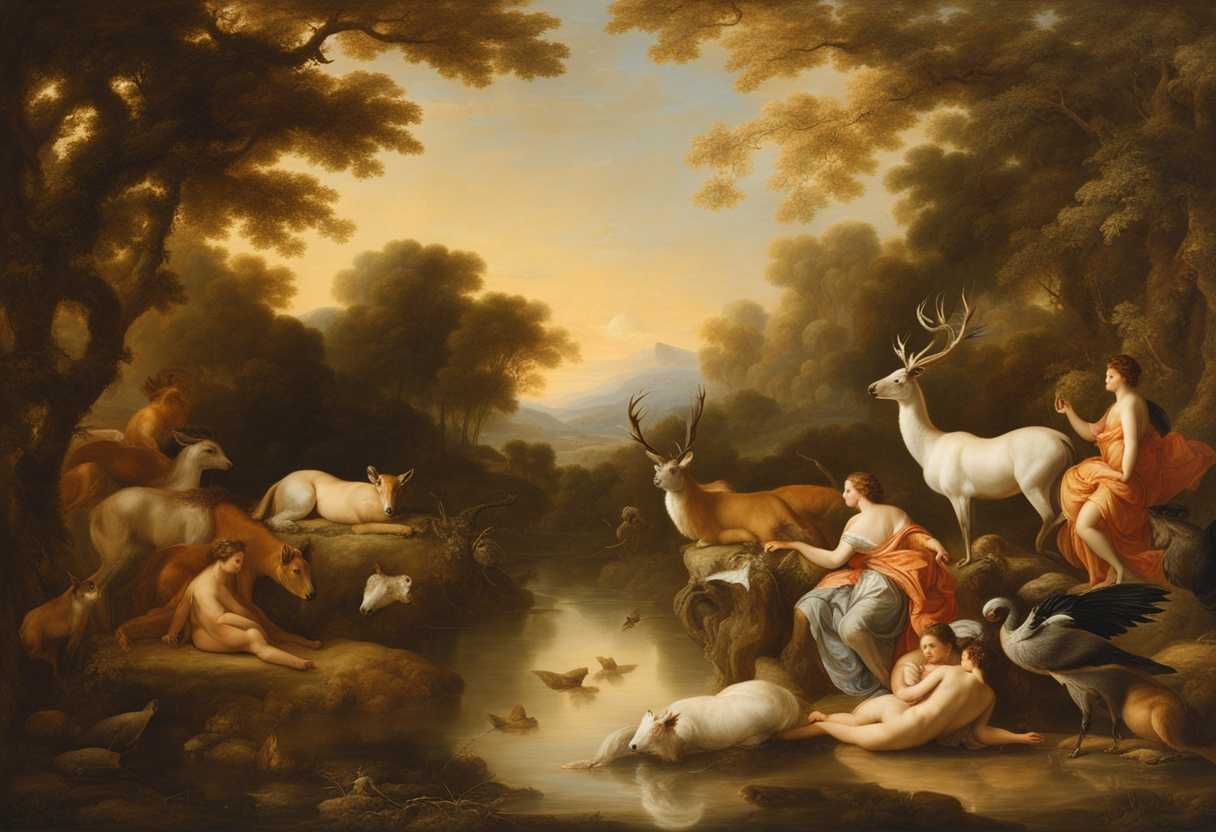
In Genesis chapter 9, after the great flood, God makes a covenant with Noah and his sons, Shem, Ham, and Japheth. The scene is set on a mountain, where Noah and his family have just disembarked from the ark after the waters have receded. The air is crisp and clean, the ground still damp from the recent deluge, and the sun shines brightly in the sky, casting a warm glow over the landscape.
Noah, a righteous man in the eyes of God, stands with his sons, their wives, and a variety of animals that have been saved from the flood. The rainbow appears in the sky as a sign of God’s covenant with Noah and all living creatures on earth, promising never to destroy the world by flood again. The scene is one of hope and renewal, as Noah and his family prepare to repopulate the earth and start afresh.
As they stand on the mountain, surrounded by the beauty of God’s creation, Noah and his family are filled with gratitude and awe at the mercy and faithfulness of God. The rainbow serves as a reminder of God’s promise and a symbol of the new beginning that lies ahead for humanity. It is a moment of peace and reflection, as they give thanks for their survival and look forward to the future with hope and trust in God’s providence.
What is Genesis 9:12 about?
Isn’t it amazing to think about the story of Noah and the great flood? God makes a powerful promise to humanity through Noah in this verse, promising never to destroy the earth with a flood again. This covenant shows God’s faithfulness and love for His creation, that even in moments of great devastation, He offers hope and a fresh start.
Imagine the relief and gratitude Noah must have felt knowing that God had made this promise to him and his descendants. This covenant serves as a reminder of God’s mercy and the importance of faithfulness in our relationship with Him. Just as God kept His promise to Noah, we can trust in His faithfulness in our own lives, knowing that He is always with us, offering us hope and new beginnings even in the midst of challenges and difficulties.
Understanding what Genesis 9:12 really means
God establishes a covenant with not only Noah but with all living creatures for all future generations in exploring Genesis 9:12. This covenant, marked by the rainbow, represents a universal promise of God’s mercy and his commitment to the earth’s sustainability. It’s important to closely examine the phrases and symbolism in this passage to fully grasp its significance and relevance to us today.
The promise of the “everlasting covenant” speaks volumes about the eternal nature of God’s commitment. Here, the word “everlasting” underscores an unending, persistent commitment that transcends time and human understanding. This reflects a core aspect of God’s character: His reliability and unchanging nature. How might understanding this aspect of God’s nature change the way we view our relationship with Him and His creation? The rainbow’s use as a sign is particularly symbolic. Rainbows in cultural contexts have been seen as bridges, connecting the divine to humanity. God’s restraint and grace ensure that never again will the earth be destroyed by flood, transforming this natural phenomenon into a visual reminder in Genesis. This introduces a dimension of grace into the narrative—God’s response is not only about justice but is tempered with mercy. How often do we consider the signs around us as reminders of God’s promises?
Relating this passage to modern contexts, it’s akin to the assurances we seek and uphold in our daily lives, whether in relationships, agreements, or personal endeavors. The covenant reminds us of the importance of commitments and the trustworthiness of God in upholding His. This understanding can be a source of comfort and assurance in times of uncertainty and turmoil.
An anecdote that effectively illustrates this point involves a community that was ravaged by flooding. Amidst the loss and recovery, a local church held a service where the pastor reminded the congregation of Genesis 9:12. The message of hope and the reminder of God’s covenant, visually reinforced by a rainbow that appeared during the service, provided the community with a renewing sense of peace and resilience. We can appreciate the continued relevance of biblical covenants in contemporary life by wrestling with these concepts through the framework of Genesis 9:12. Recognizing the layers of commitment, sign, and promise in this verse can strengthen our faith and dedication to stewardship of the earth as modern readers and believers. How might this renewed understanding influence our actions towards the environment and our fellow man? How can we, today, be a sign of God’s covenant and mercy to those around us?
How can we remember God’s covenant in our daily lives?
We can remember God’s covenant in our daily lives by recognizing the promise He made to never again flood the earth to the extent of destruction that occurred during the time of Noah. This reminder can serve as a source of comfort and assurance in times of difficulty, knowing that God is faithful to His word and will uphold His promises.
Additionally, reflecting on God’s covenant can inspire us to cultivate a deeper sense of gratitude and humility. We can strengthen our relationship with God and strive to live in accordance with His will by acknowledging and appreciating the significance of His covenant, seeking to honor Him in all that we do.
Incorporating the remembrance of God’s covenant into our daily routine through prayer, reflection, and acts of worship can help us stay connected to our faith and grounded in the knowledge of God’s enduring love and faithfulness. We can experience a sense of peace and guidance in our lives as we trust in God’s protection and provision by actively recognizing and internalizing the meaning of this covenant.
Application
Imagine you’re the captain steering the ship of your family through the bustling currents of today’s world, just as Noah did in his time. Each morning, you have the chance to set a course that follows the divine compass—God’s promises, your guidelines. Like a diligent engineer constructing a bridge that connects cities, your commitment can bridge gaps between your intentions and actions. Your resolve in this journey reflects your obedience, constructing a stronger future for both you and those you lead. Will today be the day you tighten the sails and navigate your life towards God’s horizons? Will you be the beacon of hope and transformation in your own world? What steps will you take to fulfill this divine blueprint?

Reverend Michael Johnson is an experienced Church Minister with a profound expertise in spirituality and guidance. With a serene presence and a compassionate heart, he has faithfully served his congregation for over 20 years, leading them on a spiritual journey towards inner peace and enlightenment. Reverend Johnson’s extensive knowledge of religious philosophies and profound understanding of human nature have made him a trusted confidant and mentor to many, as he seamlessly weaves his profound wisdom into life teachings. Reverend Johnson’s calming demeanor and empathetic nature continue to uplift and heal souls, nurturing a sense of unity and tranquility within his community.