
1 Long ago, at many times and in many ways, God spoke to our fathers by the prophets,
2 but in these last days he has spoken to us by his Son, whom he appointed the heir of all things, through whom also he created the world.
3 He is the radiance of the glory of God and the exact imprint of his nature, and he upholds the universe by the word of his power. After making purification for sins, he sat down at the right hand of the Majesty on high,
4 having become as much superior to angels as the name he has inherited is more excellent than theirs.
5 For to which of the angels did God ever say, “You are my Son, today I have begotten you”? Or again, “I will be to him a father, and he shall be to me a son”?
6 And again, when he brings the firstborn into the world, he says, “Let all God’s angels worship him.”
7 Of the angels he says, “He makes his angels winds, and his ministers a flame of fire.”
8 But of the Son he says, “Your throne, O God, is forever and ever, the scepter of uprightness is the scepter of your kingdom.
9 You have loved righteousness and hated wickedness; therefore God, your God, has anointed you with the oil of gladness beyond your companions.”
10 And, “You, Lord, laid the foundation of the earth in the beginning, and the heavens are the work of your hands;
11 They will perish, but you remain; they will all wear out like a garment,
12 like a robe you will roll them up,
like a garment they will be changed.
But you are the same,
and your years will have no end.”
13 And to which of the angels has he ever said, “Sit at my right hand until I make your enemies a footstool for your feet”?
14 Are they not all ministering spirits sent out to serve for the sake of those who are to inherit salvation?
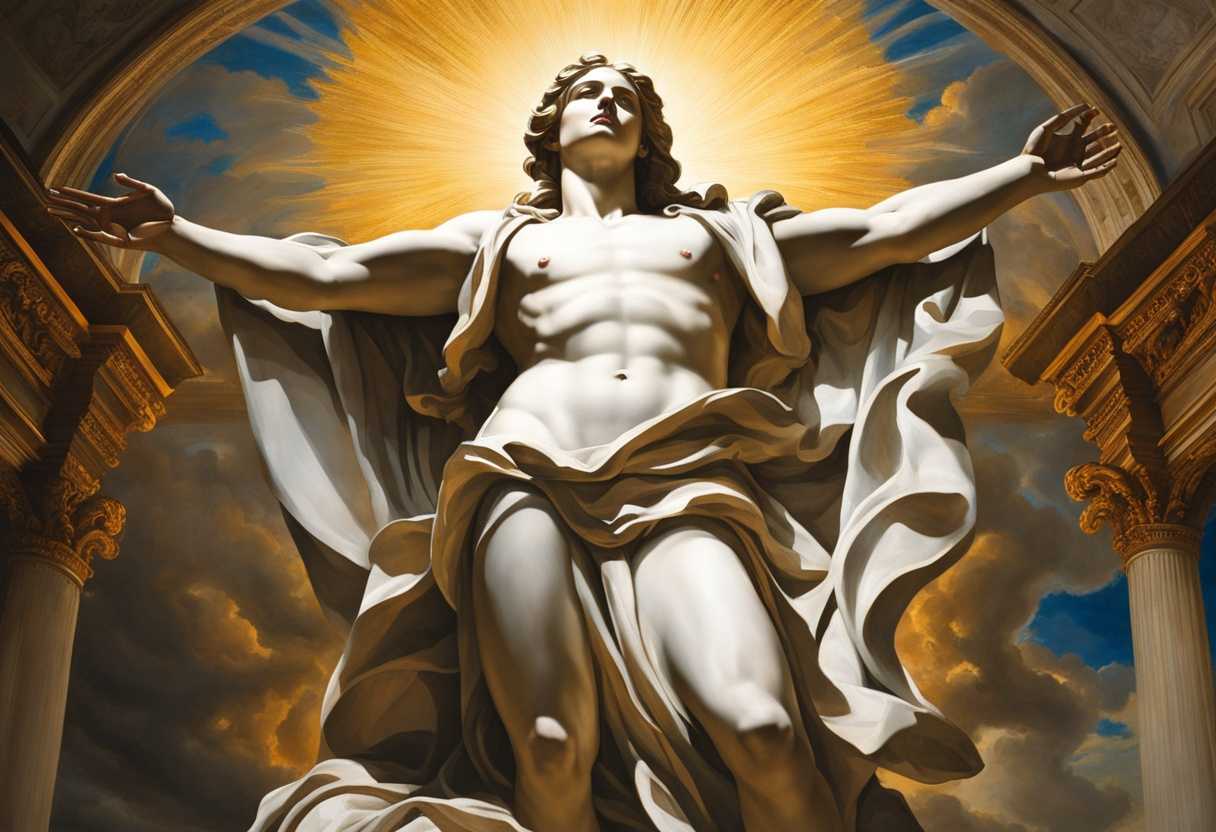
The True Meaning of Hebrews 1
The Book of Hebrews was likely written by the Apostle Paul, though some scholars debate its authorship. Paul’s letters provide invaluable insight into the beliefs and practices of the first followers of Jesus because he was one of the most prominent figures in the early Christian church. Jesus Christ’s supremacy is introduced in this chapter. The author establishes that Jesus is the ultimate revelation of God, surpassing even the greatest of the Old Testament prophets. We will see how Jesus is exalted above the angels, and learn of his unique role as the Son of God. This sets the stage for the profound theological truths that will be expounded upon in the chapters to come.
The author draws connections between the Old and New Covenants, highlighting how Jesus fulfills the promises made to the Israelites. Passages from the Psalms and other books are cited to demonstrate the divine nature of Christ. These references underscore the continuity between the Hebrew Scriptures and the Christian faith.
Hebrews 1:1-4
The author of Hebrews 1:1-4 immediately sets the tone for the entire book by emphasizing the superiority and finality of God’s revelation through His Son, Jesus Christ. The verse states, “In the past God spoke to our ancestors through the prophets at many times and in various ways.”” Here, the author is referring to the Old Testament period when God communicated His will and message to the people of Israel through prophets such as Moses, Isaiah, and Jeremiah. These prophets were instrumental in conveying God’s word, giving guidance, and proclaiming His promises to the people.
The author then contrasts this previous mode of communication by declaring, “but in these last days he has spoken to us by his Son.” This statement highlights the unique and unrivaled nature of Jesus’ revelation. Unlike the prophets who were messengers of God’s word, Jesus is God’s Son, through whom God’s fullness of revelation is conveyed. The phrase “last days” refers to the time of the New Covenant, initiated by Jesus’ coming, death, and resurrection, which ushered in a new era of salvation and grace for all who believe in Him.
The passage goes on to describe Jesus as the appointed heir of all things, the one through whom God created the universe. This acknowledgment of Jesus as the heir of all things points to His exalted position and authority over all creation. It echoes Psalms 2:8, which speaks of God promising the nations to His Son as an inheritance. Furthermore, affirming Jesus as the agent of creation aligns with the prologue of John’s Gospel, emphasizing Jesus’ divine role in the creation of the world.
The author also emphasizes the radiance of God’s glory and the exact representation of His being in Jesus. This statement underscores the deity of Christ, highlighting that He is not just a messenger or prophet but the very embodiment of God Himself. This connects with verses such as John 1:18, where Jesus is described as the one who has made the Father known, revealing God’s character and essence to humanity.
Lastly, Hebrews 1:3 mentions that Jesus sustains all things by His powerful word and, through His sacrificial death, provided purification for sins. This points to Jesus’ ongoing role in upholding the universe and highlights the central message of the Gospel, which is the atonement for sin through Jesus’ sacrifice on the cross. This concept of Jesus as the sustainer and redeemer is echoed in Colossians 1:17, where it is stated that in Him all things hold together. Hebrews 1:1-4 exalts Jesus Christ as the ultimate revelation of God, the heir of all things, the creator of the universe, the radiance of God’s glory, and the sustainer and redeemer of humanity, setting the foundation for the rest of the book. This passage underscores the unique and preeminent role of Jesus in God’s plan of salvation and emphasizes the need for believers to recognize and honor Christ’s supremacy in their lives.
Hebrews 1:5-9
The verse in Hebrews 1:5-9 can be broken down into two main sections that each convey important messages.
Beginning with verse 5, “For to which of the angels did God ever say, ‘You are my Son, today I have begotten you’? Or again, ‘I will be to Him a Father, and He shall be to Me a Son’?” This section is emphasizing the superiority of Jesus Christ over the angels. The author of Hebrews is trying to show that Jesus holds a unique position in relation to God, far above that of angels. The quotation mentioned in this verse refers to the moment of Christ’s exaltation after his resurrection, emphasizing his divinity and position as the Son of God. This point is crucial in establishing Jesus’ authority and supremacy, setting the stage for the rest of the chapter to exalt Christ above all.
Moving on to verse 8, “But of the Son He says, ‘Your throne, O God, is forever and ever, the scepter of uprightness is the scepter of your kingdom. The section further underscores the supremacy of the Son (Jesus) by addressing Him as God and acknowledging His eternal reign. This affirmation of Jesus’ divinity and everlasting rule is significant as it confirms His place as the rightful heir to all things and the ruler of the universe. The reference to Jesus’ throne being eternal echoes prophecies from the Old Testament, such as in Isaiah 9:7, which speaks of the increase of His government and of peace that will have no end. This linkage to Old Testament prophecies serves to strengthen the argument for Jesus’ superiority and the fulfillment of God’s plan through Him.
The combination of these verses serves to establish the foundational truths about Jesus Christ – his divine sonship, his eternal reign, and his supremacy over all creation. The author of Hebrews reinforces the message of the gospel and emphasizes why believers should place their trust and allegiance in Jesus alone by highlighting these aspects of Christ’s identity and role. The significance of these verses extends beyond the immediate context of Hebrews, resonating throughout the entire Bible as a reminder of God’s grand plan of redemption through His Son, Jesus Christ.
Hebrews 1:10-12
The verses in Hebrews 1:10-12 read: “He also says, ‘In the beginning, Lord, you laid the foundations of the earth, and the heavens are the work of your hands. They will perish, but you remain; they will all wear out like a garment. You will roll them up like a robe; like a garment, they will be changed. But you remain the same, and your years will never end.’”
The focus here is on the eternal nature of God contrasted with the perishable creation. These verses highlight the supremacy and eternality of God in comparison to the temporal nature of the physical world. The author of Hebrews is reminding the readers that even though everything around us may change and decay, God remains constant and unchanging. This serves as a powerful reassurance of God’s unshakeable nature in a world filled with uncertainties.
The reference to creation being like a garment that will wear out and be changed speaks to the transient nature of the physical world. This concept is not new in the Bible; it echoes passages such as Isaiah 51:6 which states, “Lift up your eyes to the heavens, look at the earth beneath; the heavens will vanish like smoke, the earth will wear out like a garment and its inhabitants die like flies. But my salvation will last forever, my righteousness will never fail.”
Furthermore, the imagery of rolling up the heavens like a robe and changing them emphasizes the temporary nature of the physical realm. This passage reflects on the creation narrative in Genesis, reinforcing the idea that God is the Creator who exists beyond and outside of time. Genesis 1:1 brings to mind, “In the beginning, God created the heavens and the earth.””
The closing statement reiterates the eternal nature of God, affirming that while everything else may change, God remains the same. This echoes Malachi 3:6, where it is stated, “For I the Lord do not change; therefore you, O children of Jacob, are not consumed.” This unchanging nature of God provides stability and security for believers, knowing that they serve a God who is consistent and unwavering throughout all ages. These verses in Hebrews 1:10-12 reflect on the eternal nature of God, His supremacy over creation, and His unchanging character. It reminds believers of the transient nature of the world around them and points them towards the steadfastness of God. This passage encourages trust and faith in God’s enduring nature, offering comfort and hope amidst the uncertainties of life.
Hebrews 1:13-14
Verse 13 of Hebrews 1 states, “To which of the angels did God ever say, ‘Sit at my right hand until I make your enemies a footstool for your feet’?” This section is a rhetorical question posed by the author of Hebrews to emphasize the superiority of Jesus over angels. The author establishes Jesus as the Son of God in the previous verses, appointing him heir of all things. Here, the question underscores the unique position that Jesus holds, being seated at the right hand of God. This image is significant in Jewish and Christian theology as it signifies a position of honor and authority.
The phrase “until I make your enemies a footstool for your feet” refers to a common metaphor used in ancient Jewish literature to portray subjugation and victory. This alludes to the triumph and ultimate reign of Jesus over all his adversaries. This imagery conveys the idea that Jesus’ victory is not just temporary but eternal and complete. Throughout the Bible, the concept of God’s enemies being subdued under His feet is a recurring theme that is fulfilled in the ultimate victory through Christ.
Moving on to verse 14, it says, “Are not all angels ministering spirits sent to serve those who will inherit salvation? The author contrasts the role of angels with the role of Jesus in this verse. While angels are described as “ministering spirits sent to serve,” Jesus is portrayed as the exalted Son of God who reigns with authority. Angels, in biblical tradition, are messengers of God who play various roles such as protectors, guides, and heralds of divine messages. This verse suggests that even though angels have important functions in the spiritual realm, their role is ultimately to serve those who are heirs of salvation, which believers in Christ are.
This passage not only establishes the supremacy of Jesus over angels but also underscores the care and provision that God has for his people. It reminds believers that they are not left alone in their journey of faith but are surrounded by heavenly beings who are sent to assist and support them. This assurance of divine intervention and protection serves as a source of encouragement and comfort for Christians as they navigate the challenges of life. Furthermore, it highlights the central theme of salvation through faith in Christ, emphasizing that believers are the recipients of God’s grace and the inheritors of eternal life. This passage in the broader context of Hebrews lays the foundation for the argument that Jesus is superior to all – including angels, prophets, and the Mosaic Law. The author presents Jesus as the ultimate revelation of God, the fulfillment of prophecy, and the mediator of a new covenant. The author of Hebrews aims to strengthen the faith of the Jewish-Christian audience and deepen their understanding of the person and work of Jesus Christ as the Son of God and Savior of the world by drawing on elements of Jewish tradition and Scripture.
After Hebrews 1
Jesus Christ, the Son of God, has been seen as supreme above all creation in this chapter. He is the radiance of God’s glory and the exact representation of His being, far superior to the angels. Through His sacrifice, He has provided purification for our sins and now sits at the right hand of the Father. He is the ultimate source of salvation and redemption, so let us hold fast to our faith in Him. Let us reflect on His majesty and power as we devote ourselves to Jesus Christ without wavering. In the next chapter, we will delve deeper into the significance of His role as our High Priest and the importance of remaining steadfast in our faith. We will continue to fix our eyes on Jesus, the author, and perfecter of our faith, as we journey through the teachings of Hebrews.

Reverend Michael Johnson is an experienced Church Minister with a profound expertise in spirituality and guidance. With a serene presence and a compassionate heart, he has faithfully served his congregation for over 20 years, leading them on a spiritual journey towards inner peace and enlightenment. Reverend Johnson’s extensive knowledge of religious philosophies and profound understanding of human nature have made him a trusted confidant and mentor to many, as he seamlessly weaves his profound wisdom into life teachings. Reverend Johnson’s calming demeanor and empathetic nature continue to uplift and heal souls, nurturing a sense of unity and tranquility within his community.