
Hebrews 11:24-26 is about Moses choosing to endure hardship and reject the fleeting pleasures of sin in order to identify with the suffering of his people and pursue the eternal reward promised by God.
24 By faith Moses, when he was grown up, refused to be called the son of Pharaoh’s daughter,
25 choosing rather to be mistreated with the people of God than to enjoy the fleeting pleasures of sin.
26 He considered the reproach of Christ greater wealth than the treasures of Egypt, for he was looking to the reward.
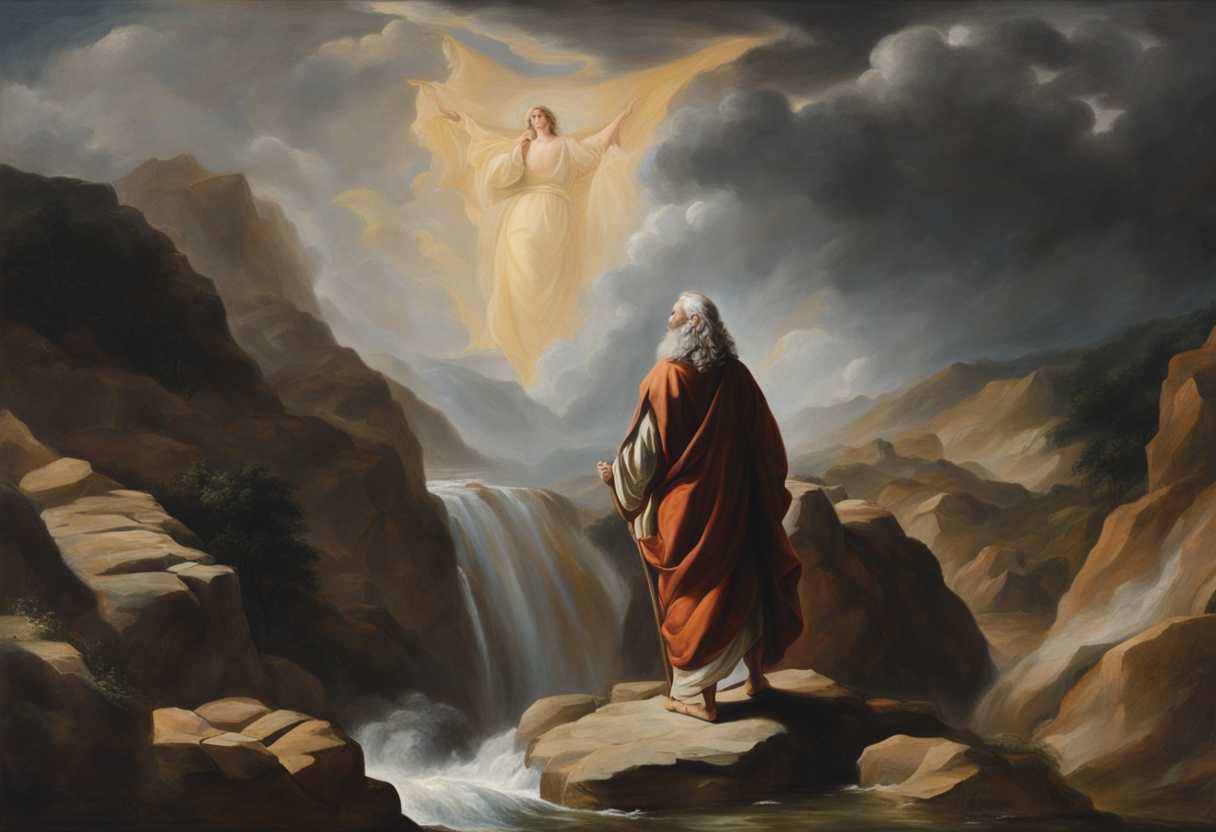
Setting the Scene for Hebrews 11:24-26
The scene described in Hebrews 11:24-26 takes us back to the time of Moses in ancient Egypt. The setting is the opulent palace of Pharaoh, where Moses, known as the son of Pharaoh’s daughter, is being raised as a prince of Egypt. The room is adorned with rich tapestries, golden ornaments, and servants bustling about attending to various tasks. Moses, a Hebrew by birth, finds himself torn between his privileged life in the palace and his heritage as a descendant of the enslaved Israelites.
In this pivotal moment, Moses, now a grown man, stands at a crossroads. He has to make a decision that will shape the course of his life. The conflict within him is palpable as he grapples with his identity and the injustice suffered by his people. Surrounding him are the trappings of power and luxury, but his heart is burdened by the plight of the Hebrew slaves. Despite the allure of wealth and status, Moses chooses to identify with his own people, the Israelites, and ultimately forsakes the riches of Egypt to follow God’s calling.
As Moses stands in the lavish surroundings of the palace, the weight of his decision hangs heavy in the air. He understands that true faith requires sacrifice and obedience to God’s will, even if it means leaving behind everything he has ever known. This moment marks the beginning of Moses’ journey towards becoming one of the greatest leaders in biblical history, leading the Israelites out of bondage and towards the Promised Land.
What is Hebrews 11:24-26 about?
Moses exemplifies the choice between fleeting, worldly pleasures and the everlasting rewards promised by God in this verse. Moses could have easily enjoyed the luxuries and comforts of the palace as an adopted member of Pharaoh’s family. However, he made a conscious decision to align himself with God’s ways, prioritizing spiritual fulfillment over temporary gratification. This choice reflects Moses’ deep faith and understanding of the greater value of eternal rewards over earthly pleasures. Educators can draw valuable lessons from Moses’ example. We are often faced with competing priorities and temptations that may lead us astray from our true purpose. Like Moses, we are challenged to stay steadfast in our commitment to what is right and just, even when the easier path seems more enticing. We align ourselves with our values and beliefs and set an example for others to follow by choosing God’s ways over worldly pleasures. So, let us ask ourselves, are we willing to make the sacrifices necessary to pursue the greater good and receive the eternal rewards that come with it?
Understanding what Hebrews 11:24-26 really means
Hebrews 11:24-26, nestled within the renowned “Faith Hall of Fame” chapter, shines a spotlight on Moses’ pivotal decision to relinquish the luxuries of Egyptian royalty in solidarity with God’s people. Moses, by faith, deliberately disowned his prestigious lineage, opting for the path of suffering alongside the Israelites rather than indulging in fleeting sinful pleasures. This deliberate choice underscores Moses’ prioritization of eternal rewards over transient gratifications, valuing spiritual riches above earthly treasures.
In dissecting the key phrases of these verses, we unravel profound truths about Moses’ unwavering faith. His rejection of the sonship of Pharaoh’s daughter symbolizes a renunciation of worldly power and privilege, showcasing a profound detachment from material allure. Moses’ willingness to endure mistreatment with God’s people rather than revel in temporary joys underscores the enduring value of spiritual investments over momentary indulgences. Moreover, his esteem for disgrace endured for Christ’s sake above Egypt’s treasures underscores a forward-looking faith that anticipates heavenly rewards over earthly riches.
Drawing parallels from related biblical passages enriches our understanding of Moses’ exemplary faith. Paul’s exhortation in Philippians 3:7-8 to count all things as loss compared to knowing Christ resonates with Moses’ prioritization of spiritual wealth. Jesus’ teaching in Matthew 6:19-21 about storing treasures in heaven aligns with Moses’ choice to seek eternal rewards. Similarly, Paul’s words in Romans 8:18 about present sufferings paling in comparison to future glory echo Moses’ endurance of disgrace for the promise of reward.
The timeless relevance of Moses’ narrative reverberates in contemporary society, where material success often eclipses spiritual values. Moses’ story serves as a poignant reminder of the significance of integrity and a long-term perspective in a world fixated on immediate gratification. Individuals grappling with ethical dilemmas find inspiration in Moses’ unwavering commitment to God, urging them to prioritize faithfulness over convenience.
Illustrating this relevance, envision a young professional faced with a lucrative yet morally compromising job offer. Inspired by Moses’ unwavering faith, they opt for a less financially rewarding but ethically sound career path, trusting in the eternal rewards of integrity and faithfulness. This modern-day parallel mirrors Moses’ sacrifice of Egypt’s treasures for a higher calling, emphasizing the enduring value of spiritual investments over fleeting worldly gains.
Hebrews 11:24-26 beckons us to introspect on our priorities and align our choices with our faith and devotion to God. By emulating Moses’ resolute faith and eternal perspective, we are spurred to prioritize heavenly rewards over transient pleasures, anchoring our trust in God’s promises for our future.
How can we live for eternal rather than temporary rewards?
We can live for eternal rather than temporary rewards by focusing on the greater spiritual truths and promises that await us beyond this earthly life. Like Moses, who chose to endure suffering and hardship for the sake of the eternal reward promised by God, we too can shift our perspective from seeking immediate gratification to prioritizing our relationship with God and His eternal promises. We can persevere through trials and tribulations with a steadfast faith by keeping our eyes fixed on the unseen and eternal, knowing that our ultimate reward in heaven far surpasses any temporary pleasure or comfort on earth.
Choosing to live for eternal rewards also involves aligning our desires and actions with God’s will and purpose for our lives. We can store up treasures in heaven that will never fade or perish by seeking to please God rather than gratifying our own selfish desires. This requires a daily surrender of our own will to God’s, trusting in His faithfulness and goodness to provide for our needs and fulfill His promises of eternal salvation and glory. We can lay a foundation of faith that will endure through eternity by living in obedience to Him and investing in His kingdom work, secure in the knowledge that our labor for the Lord is never in vain.
Application
In life’s busy work schedules and family commitments, we all face choices. Let’s take a moment to reflect on our priorities and how we can align them with our faith. Just as Moses chose wisely, we too can choose to put our trust in God above all else. Let’s steer away from fleeting temptations and strive for the everlasting rewards that come from God’s grace. How can we make these faith-filled choices in our daily journeys?

Reverend Michael Johnson is an experienced Church Minister with a profound expertise in spirituality and guidance. With a serene presence and a compassionate heart, he has faithfully served his congregation for over 20 years, leading them on a spiritual journey towards inner peace and enlightenment. Reverend Johnson’s extensive knowledge of religious philosophies and profound understanding of human nature have made him a trusted confidant and mentor to many, as he seamlessly weaves his profound wisdom into life teachings. Reverend Johnson’s calming demeanor and empathetic nature continue to uplift and heal souls, nurturing a sense of unity and tranquility within his community.