
1 Therefore, since we are surrounded by so great a cloud of witnesses, let us also lay aside every weight, and sin which clings so closely, and let us run with endurance the race that is set before us,
2 looking to Jesus, the founder and perfecter of our faith, who for the joy that was set before him endured the cross, despising the shame, and is seated at the right hand of the throne of God.
3 Consider him who endured from sinners such hostility against himself, so that you may not grow weary or fainthearted.
4 In your struggle against sin you have not yet resisted to the point of shedding your blood.
5 And have you forgotten the exhortation that addresses you as sons? “My son, do not regard lightly the discipline of the Lord, nor be weary when reproved by him.
6 For the Lord disciplines the one he loves,
and chastises every son whom he receives.
7 It is for discipline that you have to endure. God is treating you as sons. For what son is there whom his father does not discipline?
8 If you are left without discipline, in which all have participated, then you are illegitimate children and not sons.
9 Besides this, we have had earthly fathers who disciplined us and we respected them. Shall we not much more be subject to the Father of spirits and live?
10 For they disciplined us for a short time as it seemed best to them, but he disciplines us for our good, that we may share his holiness.
11 For the moment all discipline seems painful rather than pleasant, but later it yields the peaceful fruit of righteousness to those who have been trained by it.
12 Therefore lift your drooping hands and strengthen your weak knees,
13 and make straight paths for your feet, so that what is lame may not be put out of joint but rather be healed.
Strive for peace with everyone, and for the holiness without which no one will see the Lord.
15 See to it that no one fails to obtain the grace of God; that no “root of bitterness” springs up and causes trouble, and by it many become defiled;
16 that no one is sexually immoral or unholy like Esau, who sold his birthright for a single meal.
17 For you know that afterward, when he desired to inherit the blessing, he was rejected, for he found no chance to repent, though he sought it with tears.
18 For you have not come to what may be touched, a blazing fire and darkness and gloom and a tempest.
19 and the sound of a trumpet and a voice whose words made the hearers beg that no further messages be spoken to them.
20 For they could not endure the order that was given, “If even a beast touches the mountain, it shall be stoned.”
21 Indeed, so terrifying was the sight that Moses said, “I tremble with fear.”
22 But you have come to Mount Zion and to the city of the living God, the heavenly Jerusalem, and to innumerable angels in festal gathering,
23 and to the assembly of the firstborn who are enrolled in heaven, and to God, the judge of all, and to the spirits of the righteous made perfect,
24 and to Jesus, the mediator of a new covenant, and to the sprinkled blood that speaks a better word than the blood of Abel.
25 See that you do not refuse him who is speaking. For if they did not escape when they refused him who warned them on earth, much less will we escape if we reject him who warns from heaven.
26 At that time his voice shook the earth, but now he has promised, “Yet once more I will shake not only the earth but also the heavens.”
27 This phrase, “Yet once more,” indicates the removal of things that are shaken—that is, things that have been made—in order that the things that cannot be shaken may remain.
28 Therefore let us be grateful for receiving a kingdom that cannot be shaken, and thus let us offer to God acceptable worship, with reverence and awe,
29 for our God is a consuming fire.
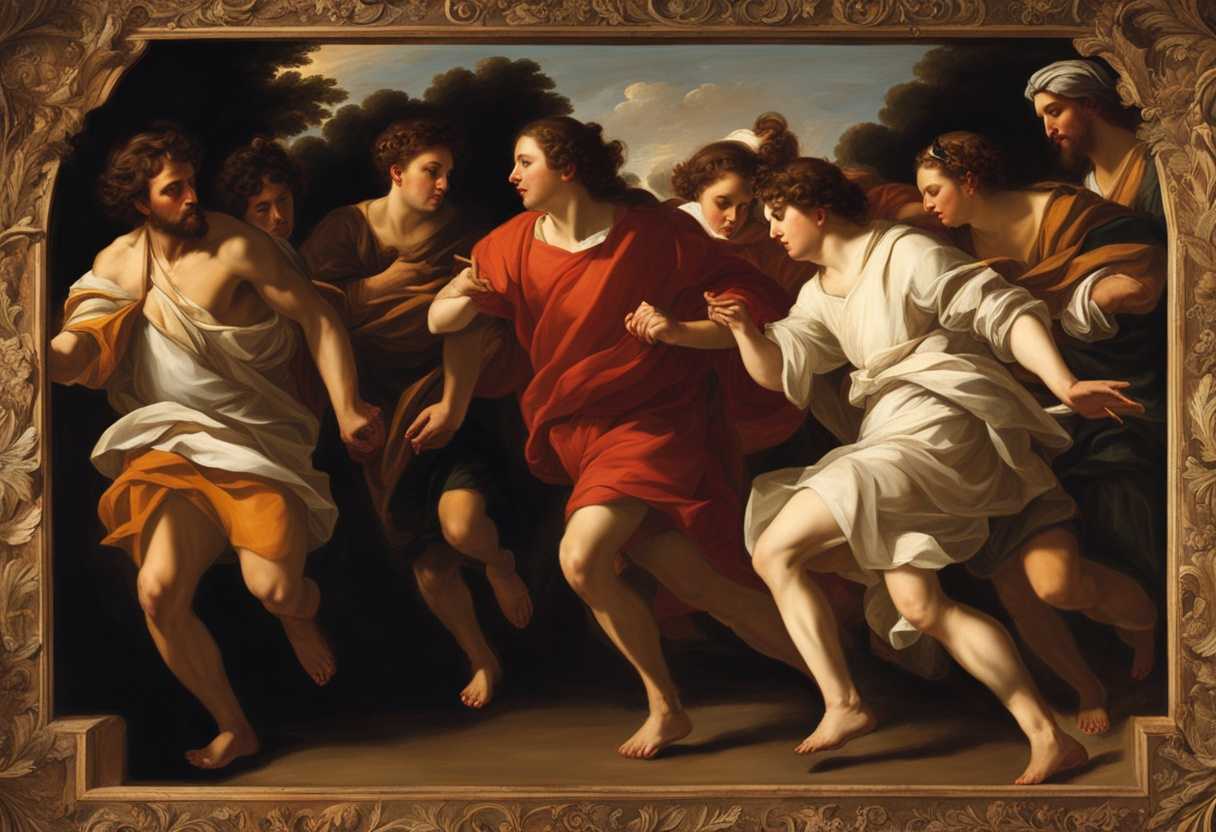
The True Meaning of Hebrews 12
The Book of Hebrews was written by an anonymous author, though many scholars believe it was the Apostle Paul. The author was a Jewish Christian who had a deep understanding of the Old Testament and the significance of Jesus Christ’s sacrifice. The author continues his exhortation to the readers in this chapter, urging them to persevere in their faith despite the challenges they face. He reminds them of the great cloud of witnesses who have gone before them, and encourages them to run the race with endurance, fixing their eyes on Jesus, the author and perfecter of their faith.
The author also warns the readers about the consequences of rejecting God’s grace, reminding them of the importance of holiness and the need to avoid bitterness and immorality. He then speaks of the unshakable kingdom that believers will inherit, and the importance of worshiping God with reverence and awe.
Throughout this passage, the author draws upon various Old Testament references, such as the story of Esau and Jacob (Genesis 25:29-34) and the account of Moses and the Israelites at Mount Sinai (Exodus 19-20). These references serve to illustrate the continuity between the Old and New Covenants, and the enduring significance of God’s promises.
Hebrews 12:1-3
The writer expounds on the importance of perseverance and endurance in the Christian faith in Hebrews 12:1-3. Let’s break down this verse into key sections.
- “Therefore, since we are surrounded by such a great cloud of witnesses”: The “great cloud of witnesses” referred to here likely includes the heroes of faith mentioned in Hebrews 11, often called the “Hall of Faith.” These individuals, like Abraham, Noah, Moses, and David, exemplified great faith and perseverance in the face of trials. The writer encourages the readers to draw inspiration from their stories and endurance by mentioning them.
The mention of these witnesses underscores the continuity and interconnectedness of God’s work throughout history. These witnesses not only cheer us on but also testify to God’s faithfulness in sustaining His people through various challenges. This also serves as a reminder that we are not alone in our faith and that we have a legacy of faith to uphold.
- This part emphasizes the idea of laying aside any encumbrances or sin that may hinder our spiritual growth and race of faith by throwing off everything that hinders and the sin that so easily entangles. These hindrances can be anything that distracts us or impedes our relationship with God, whether it be sinful behaviors, doubts, fears, or worldly attachments. Just as athletes train rigorously and shed excess weight to compete effectively, Christians are called to strip off these hindrances to run the race of faith with endurance.
This concept aligns with other verses in the Bible such as 1 Corinthians 9:24-27, where Paul likens the Christian life to a race and highlights the importance of discipline and self-control. The call to throw off these hindrances challenges believers to prioritize their spiritual growth and relationship with God above all else.
- “And let us run with perseverance the race marked out for us”: The Christian life is often depicted as a race or a marathon in the New Testament. This race is individualized for each believer, marked out by God with its own set of challenges, joys, and milestones. Running this race requires endurance, perseverance, and unwavering faith in God’s promises.
The idea of perseverance is a recurring theme in the New Testament, especially in the letters of Paul. Paul speaks of the role of perseverance in producing character and hope in the life of a believer in Romans 5:3-4. This endurance is not achieved through our own strength but through reliance on God’s grace and the empowerment of the Holy Spirit.
- “Fixing our eyes on Jesus, the pioneer and perfecter of faith”: Here, Jesus is presented as the ultimate example of faith and endurance. He is described as the “pioneer” who blazed the trail of faith before us and the “perfecter” who completed His earthly race flawlessly. We are encouraged to follow His example by fixing our eyes on Him, enduring hardships, and remaining steadfast in our faith.
This section echoes the sentiments expressed in Hebrews 2:2, which emphasizes that Jesus endured the cross for the joy set before Him, despising its shame. Believers are reminded of His sacrificial love, unwavering faith, and ultimate victory over sin and death as they fix their gaze on Jesus. This serves as a source of encouragement and motivation for believers to persevere in their own race of faith. Hebrews 12:1-3 serves as a powerful exhortation for believers to persevere in their faith journey, drawing inspiration from the witnesses of the past, shedding hindrances, running with endurance, and fixing their eyes on Jesus. This passage encapsulates the essence of the Christian life as a race that requires steadfast commitment, discipline, and unwavering trust in God’s providence and promises. Believers equip themselves to navigate the challenges of life with faith and endurance by internalizing these timeless truths, keeping their eyes fixed on the author and perfecter of their faith, Jesus Christ.
Hebrews 12:4-11
Several important sections can be identified for in-depth commentary in Hebrews 12:4-11.
The first section, starting with verse 4, speaks to the Hebrews about their struggle against sin. The author exhorts the readers to remember how Jesus faced opposition and endured the cross, urging them to persevere in their faith despite facing difficulties. This section emphasizes the reality of suffering and encourages believers to remain steadfast in their faith, understanding that resistance to sin may bring them into conflict with the world. This message of endurance amid trials is a timeless lesson for Christians, reminding them that even in the face of challenges and hardships, they are called to stand firm in their faith, following the example of Christ who endured the ultimate suffering for humanity’s salvation. The following verses (5-6) introduce the concept of discipline as an expression of God’s love for His children. The author refers to Proverbs 3:11-12, quoting the Old Testament to underscore the importance of God’s discipline in the lives of believers. The imagery of a father disciplining his children is used to illustrate God’s care and concern for His people. This section highlights the transformative nature of discipline, portraying it as a means by which God refines and molds His children, helping them grow in faith and character. It teaches Christians that trials and challenges should be viewed as opportunities for spiritual growth rather than punishment, reinforcing the idea that God’s discipline is an expression of His love and commitment to their well-being.
Furthermore, verses 7-11 elaborate on the purpose and benefits of divine discipline. The author draws a parallel between earthly fathers who discipline their children for a short period and God’s discipline, which aims to produce lasting fruit of righteousness in believers. The idea of discipline yielding the “peaceful fruit of righteousness” emphasizes the positive outcomes of enduring hardship with faith and obedience. This section encourages believers to embrace God’s discipline as a means of spiritual growth and to trust in His refining work in their lives. The analogy of pruning in verse 11 reflects the process of cutting away what is unnecessary to promote growth and fruitfulness, highlighting the redemptive nature of God’s discipline in the lives of His children. Hebrews 12:4-11 offers a profound reflection on the themes of endurance, discipline, and spiritual growth in the Christian life. The author calls believers to remain steadfast in their faith amid trials and challenges by presenting Jesus as the ultimate example of perseverance and sacrifice. The concept of God’s loving discipline underscores His care for His children and the transformative power of hardship in shaping their character. This passage serves as a source of encouragement and exhortation for believers to embrace the refining work of God in their lives, trusting that through endurance and obedience, they will bear the fruit of righteousness.
Hebrews 12:12-17
The writer of Hebrews in Hebrews 12:12-17 is encouraging believers to persevere in their faith despite facing challenges and to pursue holiness in their lives. Let’s break down this passage into important sections for a more in-depth commentary.
-
“Therefore, strengthen your feeble arms and weak knees.” – This opening verse is a call to action for believers to remain steadfast and resilient in their faith. The imagery of strengthening feeble arms and weak knees implies a need for spiritual endurance and perseverance in the face of difficulties. This call is reminiscent of other passages in the Bible, such as Isaiah 35:3, which also speaks of strengthening the feeble hands and steady the knees that give way, encouraging faith in the midst of trials.
-
“Make level paths for your feet, so that the lame may not be disabled, but rather healed.” – Here, the writer emphasizes the importance of living a life that allows others to be uplifted and encouraged by our actions. Walking on level paths urges us to live in a way that does not cause others to stumble but rather leads to spiritual healing and growth. This concept is in line with the teachings of Jesus, who often emphasized the importance of caring for the weak and being a source of light and healing in a broken world (Matthew 5:14-16).
-
“Make every effort to live in peace with everyone and to be holy; without holiness no one will see the Lord.” – This verse underscores the significance of pursuing peace and holiness in our relationships and daily lives. The writer stresses the essential connection between holiness and seeing the Lord, implying that a life characterized by holiness is necessary for a deep and intimate relationship with God. This echoes God’s call to His people throughout the Bible to be holy as He is holy (Leviticus 11:44, 1 Peter 1:16), highlighting the importance of moral purity and sanctification in the life of a believer.
-
“See to it that no one falls short of the grace of God and that no bitter root grows up to cause trouble and defile many. The writer in this verse warns against the dangers of falling short of God’s grace and allowing bitterness to take root in our hearts. Bitterness can lead to strife, division, and spiritual defilement if not addressed promptly. This caution serves as a reminder of the detrimental impact of harboring unforgiveness and resentment, highlighting the need for grace, forgiveness, and reconciliation in the body of Christ (Ephesians 4:31-32).
-
“See that no one is sexually immoral, or is godless like Esau, who for a single meal sold his inheritance rights as the oldest son.” – The reference to Esau in this passage serves as a sobering example of the consequences of prioritizing temporary gratification over spiritual blessings. Esau’s impulsive decision to trade his birthright for a bowl of stew illustrates the danger of worldly desires and the fleeting nature of earthly pleasures. This cautionary tale reminds believers to value their spiritual inheritance in Christ above all else and to guard against compromising their faith for momentary indulgence. Hebrews 12:12-17 provides a comprehensive exhortation for believers to persevere in faith, pursue holiness, cultivate peace, avoid spiritual pitfalls, and prioritize eternal blessings over temporary pleasures. The passage draws on various biblical themes and stories to emphasize the importance of steadfastness, integrity, and spiritual maturity in the Christian walk. It serves as a timely reminder for believers to remain anchored in Christ, to live out their faith authentically, and to strive for a life that glorifies God in all aspects.
Hebrews 12:18-24
The author in Hebrews 12:18-24 introduces a powerful contrast between the scene of Mount Sinai and the scene of Mount Zion, illustrating the difference between the old covenant and the new covenant established through Christ.
First, the author describes the scene at Mount Sinai where the Israelites encountered God when He gave them the Ten Commandments. The image is one of fear and trembling as Mount Sinai was covered with smoke, quaked violently, and was enveloped in darkness, creating an atmosphere of awe and fear. This imagery serves to highlight the seriousness and gravity of the Law given at that time. The people were instructed to stay back, and even Moses, the mediator, trembled with fear. This depiction of the Law at Mount Sinai underscores the holiness and justice of God that demanded obedience and highlighted the people’s need for a mediator like Moses to communicate with God on their behalf. The author then shifts the focus to Mount Zion, the heavenly Jerusalem, the city of the living God. This is the spiritual reality that believers in Christ have come to. The scene at Mount Zion is vastly different from that of Mount Sinai. It is described as a place of joy and celebration, where myriads of angels gather in joyful assembly, along with the spirits of the righteous made perfect. Here, believers have come to Jesus, the mediator of a new covenant, and His sprinkled blood that speaks a better word than the blood of Abel. This imagery emphasizes the grace, mercy, and forgiveness found in Christ under the new covenant.
The mention of Jesus as the mediator of a new covenant draws attention to His role as the ultimate High Priest who offered Himself as the perfect sacrifice for the sins of humanity. Through His sacrificial death and resurrection, Jesus has become the mediator between God and humanity, reconciling us to God and granting us access to the heavenly Jerusalem, the city of the living God. This contrasts with the temporary and imperfect mediation of Moses under the old covenant, highlighting the superiority of Jesus and the new covenant He established. Hebrews 12:18-24 underscores the transformative power of the gospel and the incomparable privilege and blessings that come with being a part of the new covenant in Christ. It encourages believers to approach God with confidence, knowing that Jesus, their mediator, has made a way for them to enter into His presence. This passage serves as a reminder of God’s faithfulness, grace, and love towards His people, culminating in the redemptive work of Christ that fulfills the promises of the old covenant and establishes a new and better covenant for all who believe.
Hebrews 12:25-29
The author in Hebrews 12:25-29 highlights the importance of listening to God’s voice and following His commands. The passage starts with a warning against refusing to listen to God, who speaks from heaven. The author urges the readers to pay attention and not ignore the promptings of the Holy Spirit, for if the Israelites did not escape when they refused to listen to God speaking on earth, how much less will we escape if we reject the One speaking from heaven. This emphasizes the greater accountability that comes with the new covenant and the need for believers to heed God’s voice with reverence and awe.
The passage then describes the shaking of the earth and heavens, symbolizing the removal of what is shaken – created things – so that what cannot be shaken may remain. This shaking represents the judgment of God that will ultimately reveal what is of eternal value and what is temporary. It serves as a reminder that everything we see and experience in this world is temporary, and only that which is rooted in God’s eternal kingdom will withstand the shaking.
The author emphasizes that God is a consuming fire, signifying His holiness, purity, and judgment. This imagery evokes the idea of God’s presence being both a source of comfort and awe-inspiring reverence. It reminds believers of God’s power and the need to approach Him with reverence and fear, acknowledging His sovereignty and holy nature.
The passage concludes by urging the readers to be grateful for receiving an unshakeable kingdom and to offer worship that is pleasing to God with reverence and awe. This reinforces the central theme of the book of Hebrews – the supremacy of Christ and the need for believers to remain faithful and committed to Him. It echoes the call to fix our eyes on Jesus, the author and perfecter of our faith, who endured the cross for the joy set before Him (Hebrews 12:2). Hebrews 12:25-29 serves as a powerful reminder of the importance of heeding God’s voice, recognizing His holiness and judgment, and offering Him reverent worship. It calls believers to remain steadfast in their faith, knowing that God’s kingdom is unshakeable, and only that which is rooted in Him will stand the test of time. The passage challenges us to evaluate our priorities and ensure that our lives are built on the foundation of Christ, who is the solid rock on which we can confidently stand (Matthew 7:24-27).
After Hebrews 12
Hebrews 12 reminds us of the importance of endurance and faith in the face of trials and challenges. The author encourages us to lay aside every weight and sin that hinders us, and to run with perseverance the race set before us. Just as a loving father disciplines his children for their good, so does God discipline us for our spiritual growth and maturity. Jesus, the pioneer and perfecter of our faith, endured the cross and scorned its shame for the joy set before him; let us therefore fix our eyes on him. May we be strengthened in our faith and empowered to overcome every obstacle that stands in our way as we continue to follow his example. We press on towards the goal, keeping our hearts focused on the prize of eternal life with our Lord and Savior.

Reverend Michael Johnson is an experienced Church Minister with a profound expertise in spirituality and guidance. With a serene presence and a compassionate heart, he has faithfully served his congregation for over 20 years, leading them on a spiritual journey towards inner peace and enlightenment. Reverend Johnson’s extensive knowledge of religious philosophies and profound understanding of human nature have made him a trusted confidant and mentor to many, as he seamlessly weaves his profound wisdom into life teachings. Reverend Johnson’s calming demeanor and empathetic nature continue to uplift and heal souls, nurturing a sense of unity and tranquility within his community.