
Hebrews 12:18-29 is about the contrast between the fear-inducing presence of God during the giving of the law at Mount Sinai and the awe-inspiring yet approachable nature of God under the new covenant through Jesus Christ, highlighting the call to worship God with reverence and gratitude.
18 For you have not come to what may be touched, a blazing fire and darkness and gloom and a tempest.
19 and the sound of a trumpet and a voice whose words made the hearers beg that no further messages be spoken to them.
20 For they could not endure the order that was given, “If even a beast touches the mountain, it shall be stoned.”
21 Indeed, so terrifying was the sight that Moses said, “I tremble with fear.”
22 But you have come to Mount Zion and to the city of the living God, the heavenly Jerusalem, and to innumerable angels in festal gathering,
23 and to the assembly of the firstborn who are enrolled in heaven, and to God, the judge of all, and to the spirits of the righteous made perfect,
24 and to Jesus, the mediator of a new covenant, and to the sprinkled blood that speaks a better word than the blood of Abel.
25 See that you do not refuse him who is speaking. For if they did not escape when they refused him who warned them on earth, much less will we escape if we reject him who warns from heaven.
26 At that time his voice shook the earth, but now he has promised, “Yet once more I will shake not only the earth but also the heavens.”
27 This phrase, “Yet once more,” indicates the removal of things that are shaken—that is, things that have been made—in order that the things that cannot be shaken may remain.
28 Therefore let us be grateful for receiving a kingdom that cannot be shaken, and thus let us offer to God acceptable worship, with reverence and awe,
29 for our God is a consuming fire.
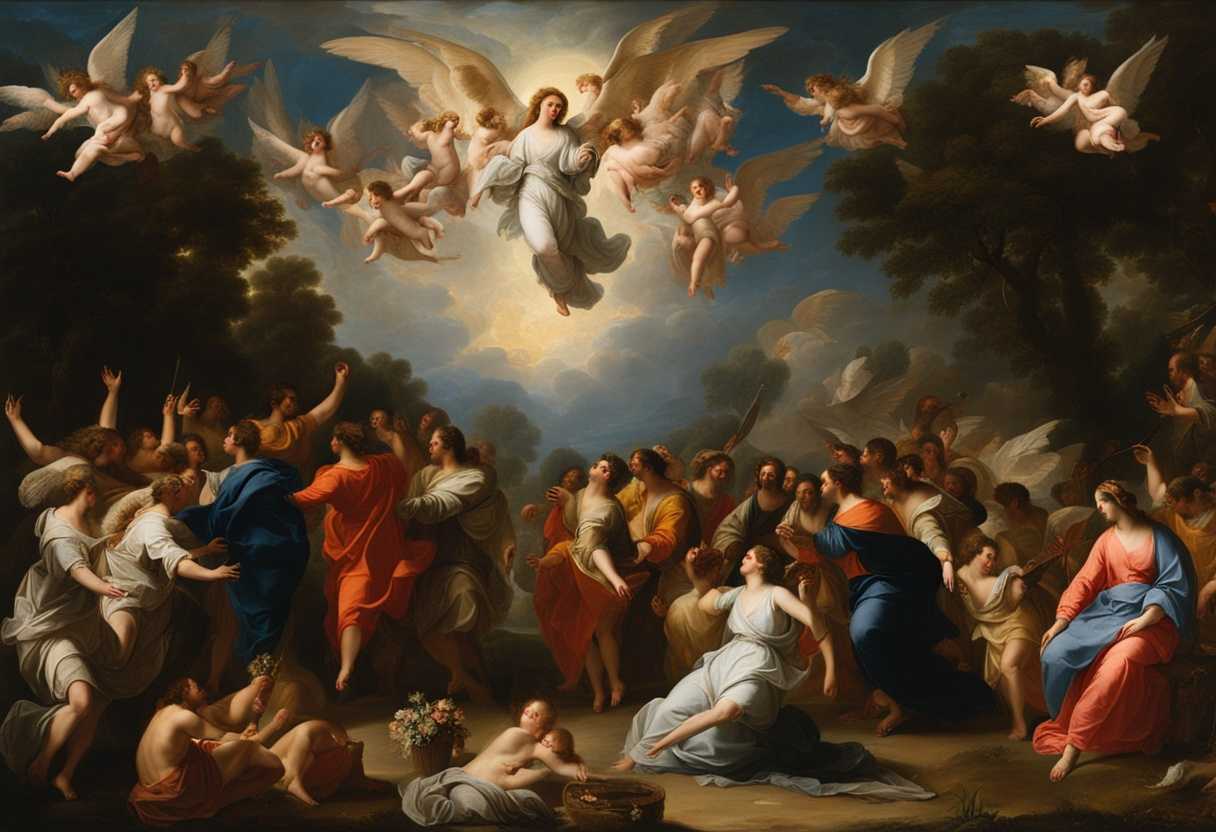
Setting the Scene for Hebrews 12:18-29
In Hebrews chapter 12, the scene is set on Mount Zion, the heavenly Jerusalem. The writer vividly describes the contrast between the scene at Mount Sinai, where the Israelites received the law with fear and trembling, and the scene at Mount Zion, where believers have come to experience the presence of God and the assembly of angels in joy and celebration.
In this heavenly setting, we find a multitude of believers from all nations and generations, including patriarchs like Abraham, Moses, and David, as well as prophets and martyrs who have gone before. They have gathered in the presence of God, surrounded by the glory and splendor of the heavenly Jerusalem.
As the writer of Hebrews paints this picture, he emphasizes the unshakable nature of God’s kingdom and the need for believers to worship Him with reverence and awe. The scene is one of worship, adoration, and gratitude as the redeemed of the Lord stand in the presence of the Almighty, giving thanks for His mercy and grace.
What is Hebrews 12:18-29 about?
Hebrews 12:18-29 beautifully captures the essence of the unshakeable kingdom of God and the reverence we should hold for Him. It paints a vivid picture of the awe-inspiring nature of God and His power through imagery of Mount Sinai and the shaking of the earth. The passage serves as a powerful reminder of the majesty and holiness of our Creator, emphasizing the importance of living a life of faith and obedience. Reflect on these verses as you consider the magnitude of God’s presence and the unchanging nature of His kingdom. How does this inspire you to approach Him with reverence and awe in your daily life? How can you cultivate a deeper understanding of God’s sovereignty and allow it to guide your thoughts, actions, and decisions? Let the words of Hebrews 12:18-29 challenge you to seek a deeper connection with God and to live a life that reflects His unshakeable kingdom here on earth.
Understanding what Hebrews 12:18-29 really means
The book of Hebrews was written to Jewish Christians facing persecution, urging them to stand firm in their faith amidst trials. In Hebrews 12:18-29, the passage vividly contrasts the experiences at Mount Sinai and Mount Zion, symbolizing the old and new covenants respectively. At Mount Sinai, the Israelites encountered a fearful scene with a mountain ablaze and a voice that inspired dread. This imagery represents the old covenant marked by fear and a sense of separation from God, emphasizing the holiness and demands of the law.
In contrast, the passage describes the joyful experience at Mount Zion, the city of the living God, symbolizing the new covenant characterized by grace and intimacy with God. Here, believers come to Jesus, the mediator of a new covenant, whose sacrificial blood speaks of forgiveness and reconciliation, unlike Abel’s blood that cried out for justice. This shift from fear to joy signifies the transformative power of Christ’s sacrifice and the promise of a renewed relationship with God.
The passage also issues a warning against rejecting God’s message, emphasizing the importance of heeding His call to salvation through Jesus. The mention of shaking the heavens and the earth alludes to a final judgment and the establishment of God’s unshakeable kingdom, underscoring the seriousness of responding to His offer of grace. Believers are urged to be thankful for receiving a kingdom that cannot be shaken, expressing gratitude for the eternal inheritance they have through Christ.
Today, amidst challenges and uncertainties, the message of Hebrews remains relevant. Just as early Christians faced persecution, many believers encounter trials that test their faith. The contrast between the fear of the old covenant and the joy of the new covenant serves as a reminder to focus on the hope and security found in Christ. Like finding refuge in a welcoming home after a storm, embracing the new covenant brings relief, gratitude, and a sense of belonging in God’s unshakeable kingdom.
Reflecting on phrases like “Mount Zion, the city of the living God,” emphasizes the ultimate hope believers have in eternal fellowship with God. Understanding Jesus as the mediator of a new covenant highlights His role in establishing a relationship of grace and forgiveness between humanity and God. The assurance of a kingdom that cannot be shaken offers stability and hope in a world filled with uncertainties, pointing to the unchanging nature of God’s eternal reign.
In conclusion, Hebrews 12:18-29 calls believers to consider the contrast between the old and new covenants, heed God’s message of salvation, and respond with gratitude and reverence for the unshakeable kingdom they are receiving. As readers engage with this passage, may they reflect on their own faith journey, finding encouragement in the hope and security offered through Christ, the mediator of a new and everlasting covenant.
Are we living in reverence and awe of God?
The passage highlights the importance of living in reverence and awe of God. It compares the Old Testament experience at Mount Sinai, where the people were filled with fear and trembling in the presence of God, to the new covenant experience of coming to Mount Zion, the city of the living God. This shift signifies a change from a fearful, legalistic relationship with God to a more intimate, grace-filled relationship.
Living in reverence and awe of God means recognizing His holiness, power, and authority. It involves approaching Him with humility and respect, understanding that He is a consuming fire who deserves our worship and obedience. It also involves keeping our focus on eternal things rather than being consumed by the temporary pleasures and distractions of the world. We acknowledge God’s unchanging nature and allow His refining fire to purify us and transform us into the image of His Son. God, ultimately, is a consuming fire who desires our wholehearted devotion and worship. We align ourselves with His will and purpose for our lives by living in reverence and awe of Him. This mindset helps us to persevere in faith, knowing that we serve a God who is unshakeable and will ultimately bring about His kingdom, which cannot be shaken.
Application
Unlock the door to a deeper connection with our mighty God. Let the words of Hebrews 12:18-29 ignite a fire of reverence within you. Approach Him with a heart full of gratitude and commit to a life that shines His light. Will you embrace this profound call and surrender to God’s purpose for your life?

Reverend Michael Johnson is an experienced Church Minister with a profound expertise in spirituality and guidance. With a serene presence and a compassionate heart, he has faithfully served his congregation for over 20 years, leading them on a spiritual journey towards inner peace and enlightenment. Reverend Johnson’s extensive knowledge of religious philosophies and profound understanding of human nature have made him a trusted confidant and mentor to many, as he seamlessly weaves his profound wisdom into life teachings. Reverend Johnson’s calming demeanor and empathetic nature continue to uplift and heal souls, nurturing a sense of unity and tranquility within his community.