
Hebrews 9:1 is about the description of the Old Covenant tabernacle and the earthly sanctuary as a shadow of the heavenly reality to emphasize the superiority of Christ’s sacrifice as the ultimate atonement for sins.
Now even the first covenant had regulations for worship and an earthly place of holiness.
Setting the Scene for Hebrews 9:1
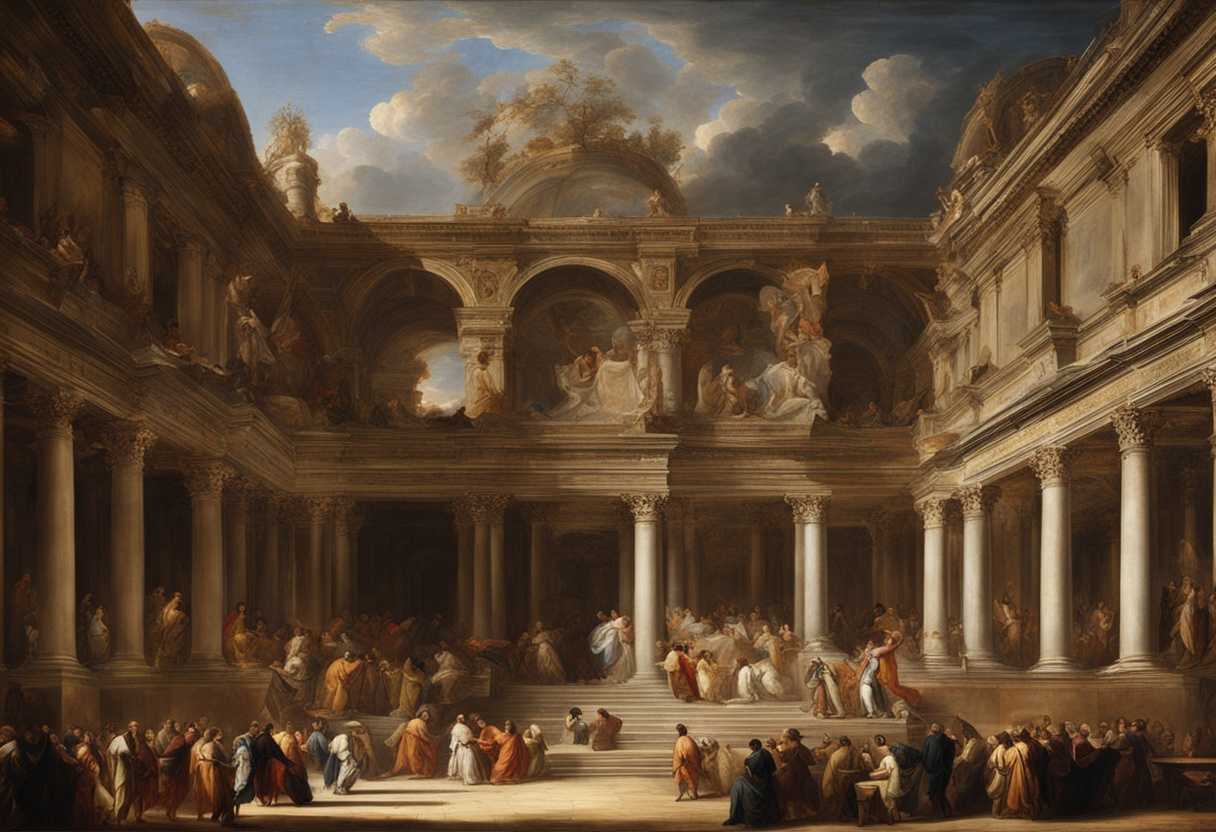
In Hebrews chapter 9, the scene is set in the tabernacle, a sacred tent used by the Israelites during their time in the wilderness. The tabernacle was divided into two main sections: the Holy Place and the Most Holy Place. The Most Holy Place was separated by a veil and housed the Ark of the Covenant, representing the presence of God among His people.
In this particular scene, the high priest, along with other priests, is preparing to enter the Most Holy Place to perform the annual Day of Atonement rituals. The high priest, dressed in his sacred garments, has meticulously followed the purification rituals to make atonement for the sins of the people. The other priests are assisting him in the various tasks required for this solemn occasion.
The atmosphere is filled with reverence and anticipation as the high priest approaches the veil, symbolizing the separation between God and humanity due to sin. The people outside the tabernacle wait in prayerful expectation for the outcome of the atonement rituals, hoping for reconciliation with God. This scene captures the essence of the sacrificial system in the Old Testament, pointing towards the ultimate sacrifice of Jesus Christ, who would once and for all atone for the sins of humanity.
What is Hebrews 9:1 about?
Imagine the intricacy and symbolism present in the old covenant’s earthly sanctuary—every detail meticulously designed to foreshadow and point towards the ultimate sacrifice of Christ. Jesus would make a perfect and eternal sacrifice on the cross for the salvation of all humanity, surpassing the various rituals and offerings of the sanctuary that atoned for sins temporarily.
The old covenant’s sanctuary serves as a powerful reminder of the overarching plan of redemption that God had in store for His people. It highlights the significance of Christ’s sacrifice as the ultimate fulfillment of all the sacrificial practices and rituals of the old covenant. We can truly grasp the depth of God’s love and mercy, as well as the meticulous planning and intentionality behind every aspect of His redemptive plan by understanding this connection.
So, as we reflect on the meaning of this verse, let us marvel at the intricate ways in which God has revealed His ultimate plan of salvation through the old covenant’s earthly sanctuary. Christ offered a perfect sacrifice on our behalf, which far surpasses any temporary offerings made in the old covenant. And let this knowledge fuel our gratitude and devotion to the One who fulfilled all prophecies and promises, bringing us into a new covenant of grace and eternal life.
Understanding what Hebrews 9:1 really means
Hebrews 9:1 delves into the regulations for worship and the earthly sanctuary under the old covenant, providing a foundational understanding of the transition between the old and new covenants. The verse serves as a bridge connecting the practices of the past with the transformative message of Jesus Christ. In the broader context of the Book of Hebrews, which addresses Jewish Christians familiar with the Mosaic Law, the author emphasizes the superiority of Christ’s priesthood and the new covenant over the old ways of worship.
Within Hebrews 9:1, key phrases such as “first covenant,” “regulations for worship,” and “earthly sanctuary” carry significant meanings. The first covenant refers to the Mosaic Law instituted by Moses, outlining the intricate laws and rituals that governed worship. The earthly sanctuary symbolizes the physical space where these rituals took place, highlighting the tangible aspects of the Israelites’ worship practices. Understanding these terms is crucial for grasping the historical and spiritual significance of the transition to the new covenant.
Related biblical passages like Exodus 25-31, Hebrews 8:5, and Hebrews 10:1 provide additional insights into the themes presented in Hebrews 9:1. The detailed instructions for building the tabernacle in Exodus underscore the meticulous nature of worship under the old covenant. Hebrews 8:5 describes the earthly sanctuary as a mere reflection of heavenly realities, pointing to the temporary nature of the old covenant practices. Hebrews 10:1 further emphasizes that the law served as a shadow of the greater blessings to come through Christ.
The relevance of Hebrews 9:1 extends to contemporary believers by highlighting the shift from external rituals to a faith-centered relationship with God. Just as a family tradition may evolve from elaborate rituals to a focus on love and togetherness, the old covenant rituals paved the way for a deeper connection with God through Jesus. Recognizing this transition helps us appreciate the profound significance of the new covenant and the grace-filled relationship it offers.
In conclusion, Hebrews 9:1 prompts us to reflect on the historical context of our faith and the transformative power of the new covenant. It serves as a reminder of the journey from ritualistic worship to a personal, grace-filled relationship with God through Jesus Christ. As we ponder the implications of this transition in our daily lives, we are encouraged to embrace the depth and significance of the new covenant and its implications for our spiritual journey.
How can we cleanse our conscience from dead works?
We can cleanse our conscience from dead works by understanding the significance of the blood of Christ. The verse highlights how the blood of Christ has the power to cleanse our conscience from dead works. The worshippers could not truly cleanse their conscience by offering sacrifices repeatedly in the Old Testament. However, the blood of Christ serves as the ultimate sacrifice that can cleanse our conscience once and for all. It is through faith in this sacrifice that we can have a purified conscience and be set free from the burden of dead works.
The cleansing of our conscience from dead works is not based on our own efforts or works, but on the finished work of Christ on the cross. We acknowledge that our own works are insufficient to cleanse us from sin by believing in the sacrifice of Christ. This realization leads to repentance and a turning away from dead works towards a life of faith and obedience in Christ. Embracing the forgiveness and redemption offered through Christ’s blood cleanses our conscience, freeing us to serve God with a renewed heart and mind. We must continually remind ourselves of the power of Christ’s blood to forgive and cleanse us from all unrighteousness in order to maintain a cleansed conscience. This involves confessing our sins, repenting, and walking in obedience to God’s Word. We can live in the freedom and joy that comes from a conscience cleansed from dead works by staying rooted in the truth of Christ’s sacrifice and allowing it to shape our thoughts and actions.
Application
Unlock the secrets of the Old Covenant described in Hebrews 9:1 and discover how they illuminate the perfection of Christ’s sacrifice. Dive deeper into the New Covenant and embrace the boundless grace it provides. Let this revelation guide your steps in your everyday journey with the Lord. How will you choose to live in light of this profound truth?

Reverend Michael Johnson is an experienced Church Minister with a profound expertise in spirituality and guidance. With a serene presence and a compassionate heart, he has faithfully served his congregation for over 20 years, leading them on a spiritual journey towards inner peace and enlightenment. Reverend Johnson’s extensive knowledge of religious philosophies and profound understanding of human nature have made him a trusted confidant and mentor to many, as he seamlessly weaves his profound wisdom into life teachings. Reverend Johnson’s calming demeanor and empathetic nature continue to uplift and heal souls, nurturing a sense of unity and tranquility within his community.