
Hebrews 9:13 is about the purification of the flesh through the blood of bulls and goats under the Old Covenant, highlighting the need for a greater, more effective cleansing through the blood of Christ under the New Covenant.
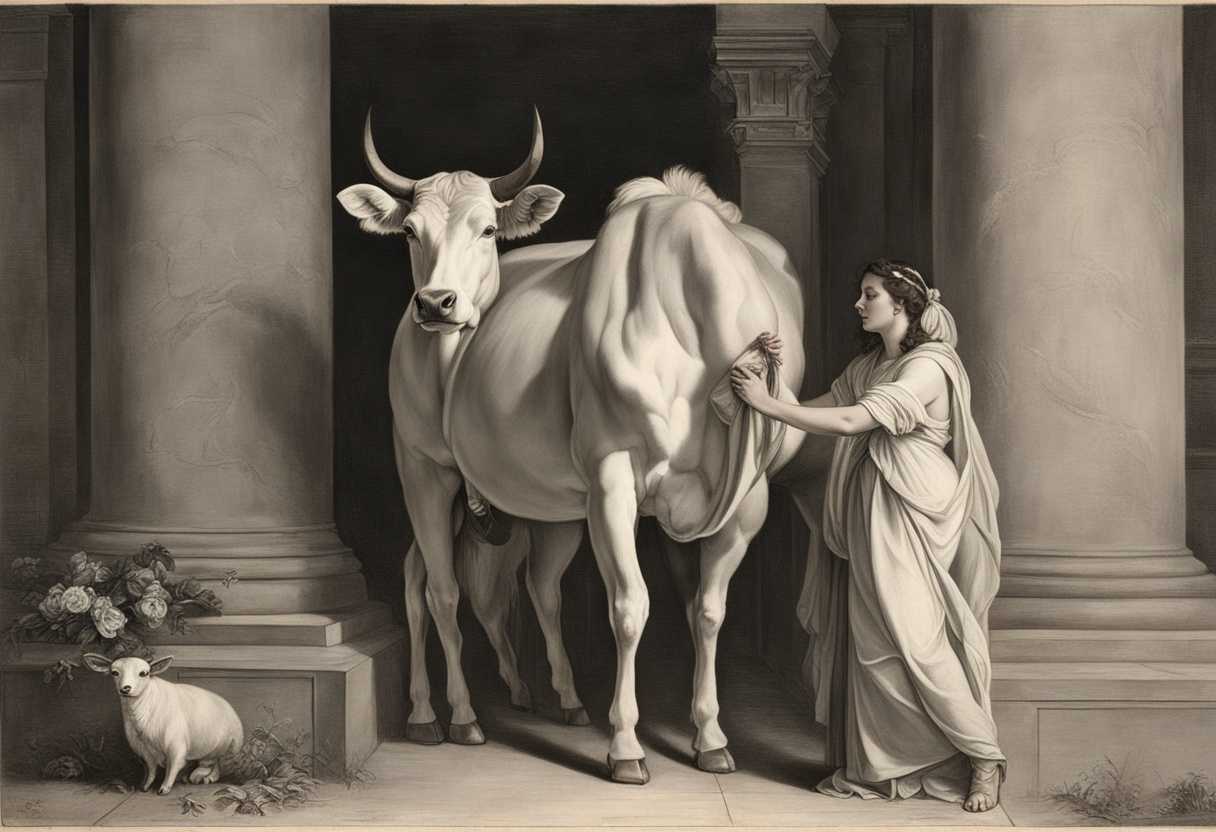
13 For if the blood of goats and bulls, and the sprinkling of defiled persons with the ashes of a heifer, sanctify for the purification of the flesh,
Setting the Scene for Hebrews 9:13
In Hebrews chapter 9, the scene is set in the tabernacle, a sacred tent used for worship by the Israelites during their time in the wilderness. The author of Hebrews describes the high priest entering the Most Holy Place once a year on the Day of Atonement to make sacrifices for the sins of the people. The atmosphere is filled with reverence and anticipation as the high priest carries out the rituals prescribed by God to atone for the sins of the people.
The high priest, dressed in his sacred garments, is surrounded by other priests who assist him in the various rituals and sacrifices. The air is heavy with the smell of incense and burning offerings, and the room is dimly lit by the golden lampstand. The people outside the tabernacle wait anxiously for the outcome of the high priest’s actions, hoping for forgiveness and reconciliation with God.
As the high priest sprinkles the blood of the sacrificial animals on the mercy seat, the people hold their breath, knowing that their sins are being symbolically transferred onto the animals. The scene is a powerful reminder of the seriousness of sin and the need for atonement. The high priest’s actions foreshadow the ultimate sacrifice that Jesus Christ would make to atone for the sins of all humanity, bringing about a new covenant between God and His people.
What is Hebrews 9:13 about?
This verse highlights the significance of the blood of Christ in comparison to the blood of animals used in sacrifices. People in the Old Testament made sacrifices of goats and bulls to atone for sins and seek forgiveness from God. However, the verse suggests that the sacrifice of Christ on the cross is far more powerful and effective in sanctifying and cleansing believers.
Think about the sheer magnitude of Christ’s sacrifice – His blood was shed for the salvation of all humanity, offering eternal redemption and forgiveness of sins. The blood of goats and bulls could only temporarily cover sins, but the blood of Christ has the power to completely wash away our sins and purify us. It shows the depth of God’s love and the incredible gift of grace that we receive through Jesus’ sacrifice.
So, when we reflect on this verse, we are reminded of the tremendous value and efficacy of Christ’s sacrifice. It challenges us to consider the profound impact of His blood in our lives and to approach our faith with gratitude and reverence. How does this truth change your perspective on forgiveness and redemption? How does it deepen your understanding of the sacrifice Christ made for you?
Understanding what Hebrews 9:13 really means
The Book of Hebrews was penned as a letter to Jewish Christians well-versed in the Old Testament sacrificial practices. Hebrews 9:13 delves into the purification rituals of the Old Covenant, specifically mentioning the use of the blood of goats and bulls, along with the ashes of a heifer. These references harken back to the intricate sacrificial system outlined in the Old Testament, where animal sacrifices were central to atonement. The “blood of goats and bulls” alludes to the prescribed offerings in Leviticus 16:15-16, while the “ashes of a heifer” point to the purification ritual detailed in Numbers 19:2-10.
In the Old Testament context, the act of sprinkling sacrificial blood or ashes on those who were ceremonially unclean was a symbolic gesture of cleansing. However, Hebrews 9:13 sheds light on the limitations of these rituals, emphasizing their temporary and external nature. The verse contrasts these rituals with the ultimate sacrifice of Jesus Christ, who offered Himself without blemish to God, providing a superior and everlasting purification. This juxtaposition highlights the inadequacy of the Old Covenant sacrifices in achieving true spiritual cleansing.
Drawing parallels to contemporary life, Hebrews 9:13 prompts reflection on the futility of relying solely on external actions for spiritual purification. Just as surface cleaning without addressing underlying issues is insufficient, the Old Covenant sacrifices could not eradicate the root problem of sin. In contrast, Christ’s sacrifice is likened to a profound and thorough cleansing that tackles the core issue of sin, offering enduring purity. This analogy underscores the transformative power of Christ’s sacrifice in contrast to the temporary and repetitive nature of the Old Covenant rituals.
Ultimately, Hebrews 9:13 serves as a poignant reminder of the insufficiency of human efforts to attain spiritual purity. It directs believers to recognize the unparalleled sacrifice of Jesus Christ as the ultimate source of purification. By emphasizing the need to move beyond external rituals and embrace a genuine relationship with Christ, the verse encourages a shift towards a faith-centered approach to spiritual cleansing. Understanding the depth and significance of Christ’s sacrifice compels believers to rely wholeheartedly on Him for true and lasting purification, transcending the limitations of mere outward practices.
What can truly cleanse our conscience from dead works?
The verse is about how the blood of Christ can cleanse our conscience from dead works. This refers to the idea that only through believing in and accepting the sacrifice of Jesus Christ can our conscience be truly cleansed from the burden of our past sins and wrongdoings. The significance lies in the recognition that no amount of good deeds or efforts on our part can undo the weight of our sinfulness. It is only through the blood of Christ, symbolizing his sacrificial death on the cross, that we can be offered a clean slate and be reconciled with God.
This verse highlights the fundamental belief in Christianity that salvation and redemption come solely through faith in Jesus Christ and his atoning sacrifice. It emphasizes the transformative power of Christ’s blood to cleanse us not just externally but at the core of our being – our conscience. We are set free from the bondage of dead works by acknowledging and accepting the gift of grace through Christ, allowing us to live in a new way that is pleasing to God. It is a reminder of the centrality of Christ’s sacrifice in the Christian faith and the profound impact it has on our lives.
Application
Unlock the power of Jesus’ sacrifice, washing away your sins like a fresh start in a bustling workplace. Let this truth fuel your growth and renew your purpose, reshaping your personal journey like a devoted family member. Will you embrace this gift wholeheartedly and let it guide your every step?

Reverend Michael Johnson is an experienced Church Minister with a profound expertise in spirituality and guidance. With a serene presence and a compassionate heart, he has faithfully served his congregation for over 20 years, leading them on a spiritual journey towards inner peace and enlightenment. Reverend Johnson’s extensive knowledge of religious philosophies and profound understanding of human nature have made him a trusted confidant and mentor to many, as he seamlessly weaves his profound wisdom into life teachings. Reverend Johnson’s calming demeanor and empathetic nature continue to uplift and heal souls, nurturing a sense of unity and tranquility within his community.