
12 Sow for yourselves righteousness;
reap steadfast love;
break up your fallow ground,
for it is the time to seek the Lord,
that he may come and rain righteousness upon you.
2 Their heart is false; now they must bear their guilt. The Lord will break down their altars and destroy their pillars.
3 For now they will say: “We have no king, for we do not fear the Lord; and a king—what could he do for us?”
4 They utter mere words; with empty oaths they make covenants; so judgment springs up like poisonous weeds in the furrows of the field.
5 The inhabitants of Samaria tremble for the calf of Beth-aven. Its people mourn for it, and so do its idolatrous priests— those who rejoiced over it and over its glory— for it has departed from them.
6 The thing itself shall be carried to Assyria as tribute to the great king.
7 Samaria’s king shall perish like a twig on the face of the waters.
8 The high places of Aven, the sin of Israel, shall be destroyed. Thorn and thistle shall grow up on their altars, and they shall say to the mountains, “Cover us,” and to the hills, “Fall on us.”
9 From the days of Gibeah, you have sinned, O Israel; there they have continued. Shall not the war against the unjust overtake them in Gibeah?
10 When I please, I will discipline them, and nations shall be gathered against them when they are bound up for their double iniquity.
11 Ephraim was a trained calf that loved to thresh, and I spared her fair neck; but I will put Ephraim to the yoke; Judah must plow; Jacob must harrow for himself.
12 Sow for yourselves righteousness; reap steadfast love; break up your fallow ground, for it is the time to seek the Lord, that he may come and rain righteousness upon you.
13 You have plowed iniquity; you have reaped injustice; you have eaten the fruit of lies. Because you have trusted in your own way and in the multitude of your warriors,
14 Therefore the tumult of war shall arise among your people, and all your fortresses shall be destroyed, as Shalman destroyed Beth-arbel on the day of battle; mothers were dashed in pieces with their children.
15 Thus it shall be done to you, O Bethel, because of your great evil. In the morning the king of Israel shall be utterly cut off.
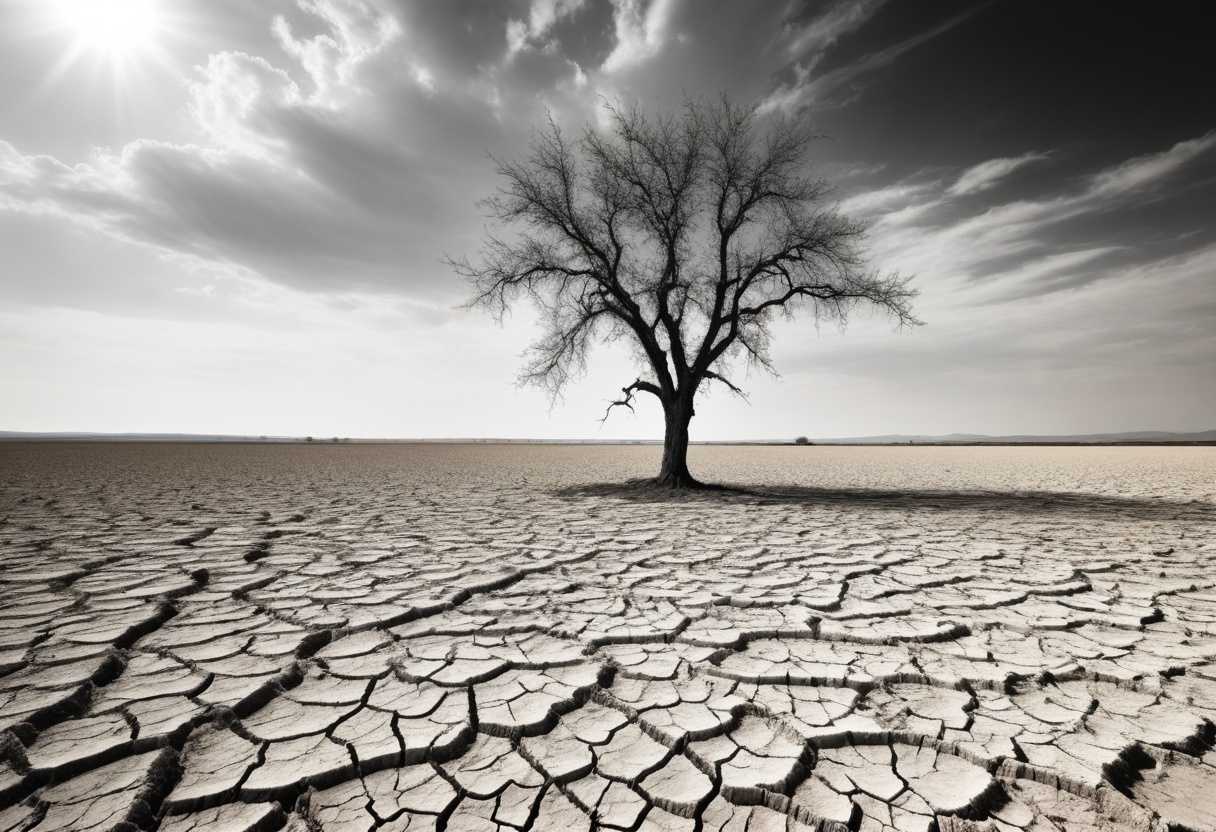
The True Meaning of Hosea 10
The book of Hosea was written by the prophet Hosea, who lived during the 8th century BC in the northern kingdom of Israel. Hosea was called by God to deliver a message of judgment and restoration to the people of Israel, who had turned away from their covenant relationship with the Lord. Hosea continues to confront the people of Israel for their idolatry and unfaithfulness in this chapter. He warns them of the impending judgment that will come upon them if they do not repent and return to the Lord. The chapter also foreshadows the eventual downfall of the northern kingdom and the scattering of the people, as well as the promise of future restoration and redemption.
Throughout the chapter, Hosea draws upon imagery and language from other biblical books, such as the comparison of Israel to a luxuriant vine (Hosea 10:1, cf. Psalm 80:8-16) and the reference to the destruction of Bethel (Hosea 10:8, cf. Amos 3:14). These connections serve to situate Hosea’s message within the broader context of God’s dealings with his people throughout history.
Hosea 10:1-4
The prophet Hosea speaks of Israel’s sin and impending judgment in Hosea 10:1-4. Let’s break down these verses into important sections:
- “Israel is an empty vine, he bringeth forth fruit unto himself: according to the multitude of his fruit he hath increased the altars; according to the goodness of his land they have made goodly images. Hosea uses the metaphor of a vine to describe Israel’s spiritual condition in this verse. Instead of bearing fruit for the Lord, Israel has become empty and self-serving. They have multiplied altars for idolatrous worship, attributing their prosperity to false gods represented by the goodly images they have crafted. This verse emphasizes how Israel’s prosperity had led them to abandon God, turning to idols and trusting in their own strength rather than relying on the true source of blessings. It serves as a cautionary tale about the dangers of spiritual complacency and the consequences of forsaking the Lord for worldly gains.
This theme of forsaking God for idols is a prevalent one throughout the Bible. The Israelites continually struggled with idolatry, turning away from the one true God to worship false deities. This pattern of unfaithfulness ultimately led to their downfall and exile. God commands His people in Exodus 20:3-6 to have no other gods before Him and warns of the consequences of idolatry. The imagery of an empty vine in Hosea’s prophecy serves as a poignant reminder of the consequences of spiritual waywardness and the importance of remaining faithful to God.
- “Their heart is divided; now shall they be found faulty: he shall break down their altars, he shall spoil their images.” (Hosea 10:2)
Hosea highlights the inner conflict within the hearts of the Israelites. Their allegiance is divided between God and idols, resulting in their guilt and impending judgment. The reference to God breaking down their altars and spoiling their images signifies the destruction of their false worship and the removal of the objects of their idolatry. This act of divine judgment reflects God’s intolerance of idolatry and His desire for His people to wholeheartedly return to Him.
The idea of a divided heart is a recurring theme in the Bible. Jesus warns against serving two masters in Matthew 6:24, emphasizing the impossibility of serving both God and wealth. The concept of wholehearted devotion to God is central to the message of Hosea and serves as a timeless reminder of the importance of prioritizing God above all else. Hosea’s prophecy highlights the need for repentance and the consequences of living a divided life torn between God and worldly desires.
- “For now they shall say, We have no king, because we feared not the Lord; what then should a king do to us?” (Hosea 10:3)
The Israelites are depicted as realizing the consequences of their sins and neglect of the Lord. They acknowledge their lack of a righteous king, attributing it to their failure to fear and obey God. This verse underscores the connection between their spiritual state and the absence of effective leadership. The people’s question, “What then should a king do to us?” reflects their recognition that human authority alone cannot save them from divine judgment when they have forsaken the true King, the Lord Almighty.
Throughout Israel’s history, the importance of having a God-fearing king is evident. Righteous kings like David and Josiah led the nation in obedience to God and experienced blessings as a result. Ungodly kings led the people into idolatry and moral decay, bringing about divine judgment. This verse in Hosea serves as a sobering reminder of the need for both spiritual and political leadership that acknowledges God’s sovereignty and leads the people in righteousness. It emphasizes the ultimate authority of God over human rulers and the consequences of forsaking Him for earthly power. Hosea 10:1-4 conveys a powerful message about the dangers of spiritual complacency, idolatry, and the consequences of living a life divided between God and worldly pursuits. The imagery of the empty vine, divided hearts, and absence of a righteous king serve as reminders of the importance of wholehearted devotion to God, the necessity of repentance, and the futility of trusting in anything other than the Lord. This prophecy by Hosea not only speaks to the historical context of Israel but also carries timeless truths about the nature of sin, repentance, and the consequences of straying from the path of righteousness set by God.
Hosea 10:5-8
The prophet Hosea delivers a message from the Lord to the people of Israel in Hosea 10:5-8. Let’s break down the verse into important sections for deeper insight into its meaning and relevance to the overarching themes in the Bible. The inhabitants of Samaria mourn over the calf idol at Beth-aven in verse 5. This calf idol was a symbol of the golden calf that the Israelites had worshipped back in the time of Moses. The idolatry and sin of the people had led them away from worshipping the one true God, leading to their downfall. This imagery is significant as it highlights the recurring theme in the Bible of God’s people turning away from Him to follow idols and false gods. This pattern of rebellion and eventual judgment is a constant cycle throughout the history of Israel, illustrating the consequences of forsaking the ways of the Lord.
Moving on to verse 6, Hosea prophesies that the idol will be carried to Assyria as tribute to King Jareb. This serves as a stark reminder that the consequences of idolatry and disobedience will ultimately lead to captivity and punishment. Assyria was a powerful empire that eventually conquered the northern kingdom of Israel, taking the people into exile. This prophecy reinforces the idea that sin has consequences and that God will hold His people accountable for their actions. It also foreshadows the later captivity of Judah by the Babylonians due to their unfaithfulness. A reference to Samaria and its king being swept away like foam on the water is seen in verse 7. This vivid imagery portrays the swift and decisive judgment that will befall the sinful nation. The mention of high places and altars being destroyed further emphasizes the consequences of their idolatry. Throughout the Bible, these high places were sites of pagan worship that were detestable to God. The destruction of these altars symbolizes the removal of all traces of false worship and the purification of the land. This theme of judgment and cleansing runs throughout the Bible, with God consistently calling His people to repentance and holiness.
Finally, in verse 8, Hosea poignantly declares that the high places of wickedness will be destroyed, thorns and thistles will grow over their altars, and the people will cry out to the mountains to cover them and the hills to fall on them. This intense imagery conveys the desperation and despair that will ensue when God’s judgment falls upon the unrepentant nation. The people who once worshipped idols will realize the futility of their actions and seek refuge in vain attempts to escape the wrath of God. This serves as a sobering reminder of the consequences of sin and the importance of genuine repentance and obedience to God’s commands. Hosea 10:5-8 serves as a powerful warning to God’s people about the dangers of idolatry, rebellion, and unfaithfulness. The imagery used in these verses vividly portrays the cycle of sin, judgment, and restoration that permeates the biblical narrative. It underscores the importance of staying true to God, avoiding the worship of false gods, and repenting of our sins. The timeless message of these verses reminds us of the steadfastness of God’s character, His call to holiness, and the need for genuine repentance in order to experience His forgiveness and restoration.
Hosea 10:9-10
The verses in Hosea 10:9-10 give us a glimpse into the rebellious nature of Israel and the impending consequences that result from their unfaithfulness. Let’s break down these two verses into key sections to dive deeper into their meaning.
Verse 9a starts with, “Since the days of Gibeah, you have sinned, O Israel.” This reference to Gibeah harkens back to the dark event in Judges 19-20 involving the Levite and his concubine. The men of Gibeah committed a heinous act of violence, which led to a civil war within Israel. This historical event serves as a reminder of the moral decay and deep-rooted sin that plagued the nation of Israel. The prophet Hosea is drawing a parallel between the sins of the past and the present-day transgressions of the Israelites by mentioning Gibeah. The unfaithfulness and corruption that took place in Gibeah are now mirrored in the actions of Israel, highlighting a pattern of disobedience and moral decline. “The battle will not overtake them in Gibeah,” reads in the latter part of verse 9 and verse 10. When I desire, I will discipline them, and nations shall be gathered against them when they are bound up because of their double iniquity.” Here, the imagery shifts to a scene of impending judgment and discipline. The mention of the battle not overtaking them in Gibeah could be seen as a temporary reprieve granted to Israel, a pause in the midst of their sin before the full weight of God’s judgment descends upon them. This delay in punishment is a testament to God’s patience and mercy, giving them time to repent and turn back to Him. However, the assurance that discipline will come, and that nations will be gathered against them, underscores the certainty of consequences for their actions. Hosea emphasizes the depth of Israel’s sin and rebellion by highlighting their double iniquity. This notion of double iniquity suggests a heightened level of guilt and culpability, indicating that not only have they sinned, but they have done so repeatedly and with full knowledge of their wrongdoing. The consequences of their actions extend beyond just the immediate impact on themselves; they now face the prospect of facing the wrath of other nations as a result of their persistent disobedience.
These verses in Hosea 10 serve as a stark reminder of the enduring themes of sin, judgment, and redemption found throughout the Bible. The parallel drawn between the sins of Gibeah and the current state of Israel underscores the cyclical nature of human sin and God’s response to it. Despite Israel’s transgressions, there is still an underlying thread of hope present, as God’s discipline is seen as a means of correction rather than mere punishment. This call to repentance and the promise of restoration highlight God’s unwavering love for His people, even in the face of their waywardness. Reflecting on these verses reminds us of the importance of remaining faithful to God and the consequences that come from straying from His path.
Hosea 10:11-12
The verse in Hosea 10:11-12 is a part of the prophecies delivered by the prophet Hosea, which focus on the consequences of Israel’s sin and the impending judgment from God. Identify the subject: “Let’s”
Rewritten sentence: Let’s break down the verse into important sections and delve into their meanings. “Ephraim is a trained heifer that loves to thresh,
and I spared her fair neck; but I will make Ephraim break the ground;
Judah must plow; Jacob must harrow for himself. Ephraim, representing the Northern Kingdom of Israel, is compared to a well-trained heifer that loves to thresh in this section. Threshing was a common agricultural practice of separating grain from chaff. Here, God acknowledges the past care and favor He had shown to Ephraim but now declares a change in circumstances. God is essentially saying that although Ephraim enjoyed privileges and blessings in the past, they will now face consequences for their disobedience and sin. The imagery of breaking the ground and plowing signifies the hardships and toil that Ephraim will face as a result of their actions. Judah and Jacob (representing the Southern Kingdom of Israel) are also mentioned, highlighting that all of Israel will face judgment.
This section serves as a stark reminder of God’s justice and the principle of reaping what is sown. It underscores the importance of obedience and faithfulness to God’s commandments. Throughout the Bible, we see examples of how individuals and nations faced consequences for their disobedience but also experienced God’s grace and mercy when they repented and turned back to Him. Hosea 10:12 emphasizes the need for Israel to bear the consequences of their actions and to work towards righteousness and renewal.
- “Sow for yourselves righteousness;
reap steadfast love;
break up your fallow ground,
for it is the time to seek the Lord,
that he may come and rain righteousness upon you.”
This section transitions from the judgment pronounced on Israel to a message of hope and redemption. God calls upon Israel to sow righteousness and reap steadfast love. The imagery of breaking up fallow ground refers to the spiritual renewal and repentance that Israel needs to undertake. Israel has the opportunity to experience God’s righteousness and blessings once again by seeking the Lord in humility and turning away from their sinful ways.
This message is timeless and applicable to all believers. It exemplifies the biblical principle of repentance and restoration. Verses such as Galatians 6:7-8 in the New Testament echo this message, talking about sowing to please the Spirit and reaping eternal life. The call to seek the Lord and to cultivate a heart of righteousness is central to the message of salvation and reconciliation with God. Hosea 10:11-12 captures the themes of judgment, repentance, and restoration that run throughout the Bible. It reminds us of God’s faithfulness, justice, and the call to live in obedience to Him. These verses ultimately invite us to reflect on our own lives, sow righteousness, seek the Lord, and experience His abundant grace and mercy.
Hosea 10:13-15
The prophet Hosea continues to deliver a message from God to the people of Israel in Hosea 10:13-15. Let’s break down these verses to gain a deeper understanding of their significance. The imagery of plowing in verse 13 conveys a powerful message. The analogy is that of righteousness being the foundation for a fruitful life. However, the people of Israel have sown wickedness and reaped iniquity, deviating from God’s intended path for them. This disobedience led to a harvest of deception, rather than righteousness. The consequences of their actions are severe, as they have trusted in their own strength and the multitude of their warriors instead of relying on God for guidance and protection.
Moving on to verse 14, Hosea prophesies about the devastation that will be brought upon Israel due to their rebellion against God. The fortified cities in which they trusted will be destroyed, and even the revered figures and leaders among them will be uprooted. This destruction serves as a consequence for their turning away from God and embracing idolatry. The people who once held power and influence will be held accountable for their actions and face exile and defeat.
Finally, in verse 15, Hosea declares that the consequences of Israel’s actions will extend beyond their immediate suffering. The punishment for their sins will result in loss and devastation for their future generations. This cycle of sin and punishment highlights the generational impact of disobeying God’s commandments. The people of Israel are urged to recognize the gravity of their actions and seek forgiveness and redemption from God to break this destructive cycle.
Through these verses, Hosea emphasizes the importance of faithfulness and obedience to God. The people of Israel serve as a cautionary tale, demonstrating the consequences of straying from God’s path and relying on worldly power instead of divine guidance. Their story serves as a reminder for us to prioritize righteousness and stay steadfast in our faith, knowing that God’s ways lead to true fulfillment and eternal blessings.
This message resonates throughout the Bible, with themes of repentance, forgiveness, and redemption being central to many biblical stories. The consequences of sin are a recurring theme, as seen in the stories of Adam and Eve, the Israelites in the desert, and many others. However, God’s enduring mercy and willingness to forgive those who repent is also a consistent message in the Bible, offering hope and salvation for all who turn to Him. Through studying these verses and reflecting on their timeless messages, we are reminded of the importance of staying faithful to God and seeking His guidance in all that we do.
After Hosea 10
The people of Israel had turned away from God, chasing after false idols and empty promises. Their hearts had grown cold, and their actions had become corrupt. Yet, even in the midst of their unfaithfulness, the Lord’s love for them remained steadfast. We are left with a glimmer of hope, a promise of restoration, if only they would return to the one true God as the chapter draws to a close. The Lord, in His infinite mercy, continues to call His people back to Himself in the next chapter. Though they have strayed, He remains faithful, ready to forgive and restore those who turn to Him with repentant hearts. Let us prepare our own hearts to receive the message of the Lord in the chapters to come, heeding the lessons of this chapter.

Reverend Michael Johnson is an experienced Church Minister with a profound expertise in spirituality and guidance. With a serene presence and a compassionate heart, he has faithfully served his congregation for over 20 years, leading them on a spiritual journey towards inner peace and enlightenment. Reverend Johnson’s extensive knowledge of religious philosophies and profound understanding of human nature have made him a trusted confidant and mentor to many, as he seamlessly weaves his profound wisdom into life teachings. Reverend Johnson’s calming demeanor and empathetic nature continue to uplift and heal souls, nurturing a sense of unity and tranquility within his community.