
Hosea 12:12 is about Jacob fleeing to the land of Aram due to the deceitful ways of his brother Esau, emphasizing the consequences of deception and the importance of seeking redemption and reconciliation.
12 Jacob fled to the land of Aram;
there Israel served for a wife,
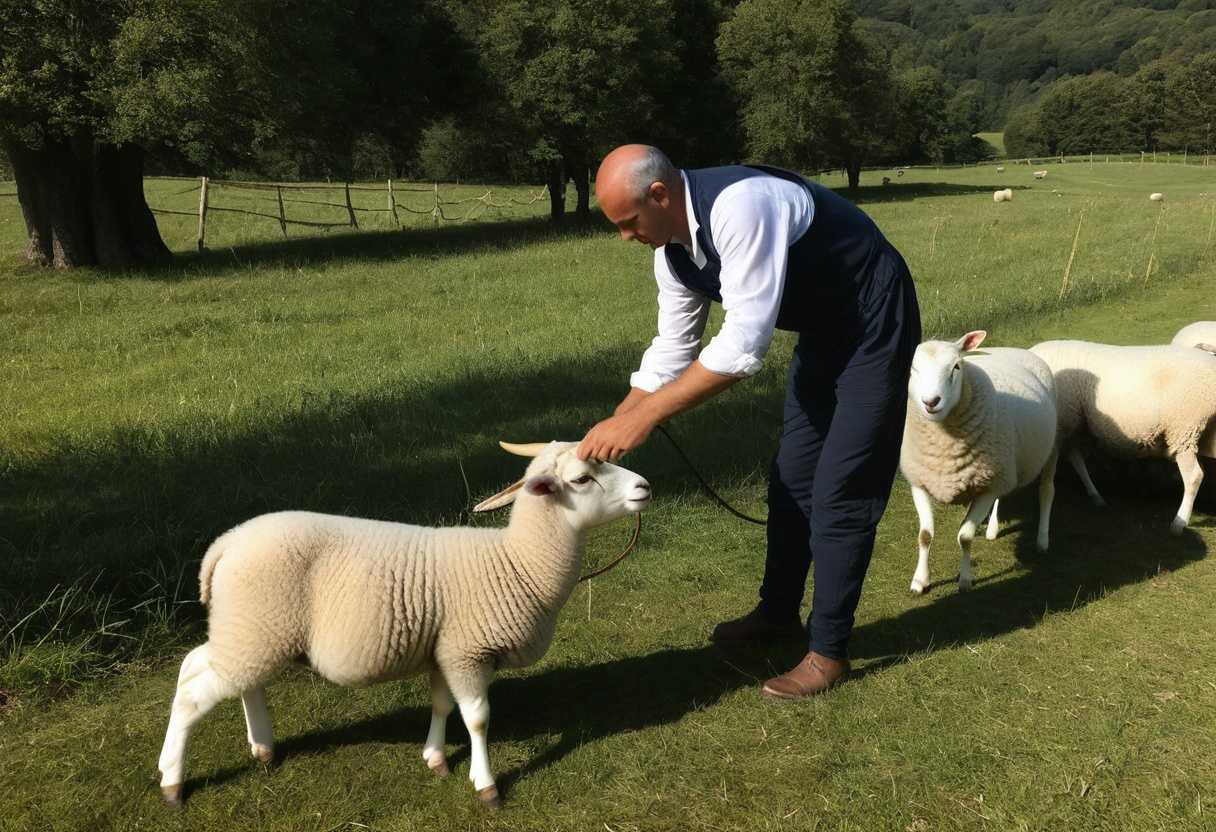
and for a wife he guarded sheep.
Setting the Scene for Hosea 12:12
In Hosea chapter 12, we find the prophet Hosea addressing the people of Israel, recounting their history and calling them to repentance. The scene is set in a humble dwelling in the ancient kingdom of Israel, with Hosea standing before a group of Israelites gathered to hear his message. The room is dimly lit by oil lamps, casting flickering shadows on the faces of those present.
Among the audience are men and women of various ages, their faces reflecting a mix of curiosity, skepticism, and perhaps a glimmer of hope. Some have come out of genuine desire to hear the words of the prophet, while others may be there out of obligation or mere curiosity. The air is heavy with the scent of incense burning in a corner, adding a sense of solemnity to the atmosphere.
Hosea, a man of God with a commanding presence, speaks with conviction as he recounts the faithlessness of the Israelites and urges them to return to the Lord. His words are both a warning of impending judgment and a plea for reconciliation. As he reaches the climax of his message, the room falls silent, the only sound being the crackling of the fire in the hearth. The scene is charged with emotion and tension, as each listener grapples with the weight of Hosea’s words and the call to repentance.
What is Hosea 12:12 about?
Jacob, who later became known as Israel, is referenced in this verse. Jacob fled to the country of Aram to escape the wrath of his brother Esau. The mention of Israel serving to get a wife likely refers to Jacob working for Laban in order to marry his daughters, Rachel and Leah. This verse not only recounts a significant event in the history of the Israelites but also highlights the theme of perseverance and the importance of relationships in one’s journey. Jacob made sacrifices for love and family as we reflect on this verse. We can consider how our own actions and decisions shape our relationships and ultimately our destinies. Think about how Jacob’s journey to get a wife led to the establishment of the twelve tribes of Israel. Similarly, our choices and experiences influence our own paths and the legacy we leave behind. So, let us pause and contemplate the significance of this verse in the broader context of faith, commitment, and the interconnectedness of our lives.
Understanding what Hosea 12:12 really means
Hosea 12:12, nestled within the prophetic Book of Hosea, offers a glimpse into the journey of Jacob, a pivotal figure in Israel’s history. Jacob’s flight to Aram, where he toiled to earn his wives, Rachel and Leah, symbolizes a period of struggle and transformation. This narrative echoes the broader themes of infidelity, repentance, and God’s unwavering love that permeate Hosea’s messages to the Northern Kingdom of Israel.
The phrase “Jacob fled to the land of Aram” evokes the Genesis account of Jacob seeking refuge with his uncle Laban, marking a time of hardship and growth. It underscores the notion that challenges often precede personal development and the fulfillment of God’s promises. Similarly, the mention of Jacob serving for a wife and tending sheep emphasizes the values of perseverance, commitment, and the eventual realization of one’s commitments.
In Genesis 29:20, Jacob’s unwavering dedication to Rachel despite years of labor reflects a profound love that transcends time—a love akin to God’s enduring commitment to His people. Hosea 2:19-20 further reinforces this idea, portraying God’s eternal betrothal to Israel with righteousness, love, and compassion. These passages intertwine Jacob’s earthly struggles with divine promises, illustrating the interconnectedness of human perseverance and God’s faithfulness.
Today, Hosea 12:12 resonates as a timeless reminder of the significance of dedication and perseverance in both our spiritual and personal endeavors. In a world that often prioritizes instant gratification, Jacob’s story serves as a poignant example of how enduring hardships can lead to profound transformation and the realization of God’s promises. The values of commitment and steadfastness, exemplified by Jacob’s journey, remain essential for navigating life’s challenges and experiencing the fullness of God’s blessings.
Consider a modern-day couple facing obstacles in their relationship—paralleling Jacob’s struggles—yet persisting through hardships to cultivate a strong, loving bond. Their story mirrors Jacob’s laborious path and underscores the transformative power of unwavering commitment and faith. Just as Jacob’s perseverance led to the fulfillment of his promises, so too can our steadfastness and trust in God pave the way for blessings and fulfillment in our lives. Hosea 12:12 beckons us to embrace the virtues of dedication and endurance, knowing that our efforts, like Jacob’s, can ultimately bear fruit in God’s perfect timing.
How can we show steadfast love and justice?
We can show steadfast love by being faithful and committed in our relationships with others. This involves showing kindness, compassion, and loyalty towards those around us, even in difficult circumstances. It also includes being patient and forgiving, just as God shows us patience and forgiveness in his steadfast love towards us. We can show justice by treating others fairly and equitably. This means standing up for what is right and just, even when it may be challenging or unpopular. It involves advocating for the rights of the marginalized and oppressed, seeking to bring about equality and fairness in our communities and society as a whole. We are called to reflect God’s righteousness and integrity in all our dealings with others, just as God is a God of justice.
Application
Dear friend, let’s take a moment to look within ourselves. Let’s strive for honesty and humility, leaving behind anything that blocks our connection with the divine. Can we commit to examining our ways and working towards a stronger bond with our Higher Power?

Reverend Michael Johnson is an experienced Church Minister with a profound expertise in spirituality and guidance. With a serene presence and a compassionate heart, he has faithfully served his congregation for over 20 years, leading them on a spiritual journey towards inner peace and enlightenment. Reverend Johnson’s extensive knowledge of religious philosophies and profound understanding of human nature have made him a trusted confidant and mentor to many, as he seamlessly weaves his profound wisdom into life teachings. Reverend Johnson’s calming demeanor and empathetic nature continue to uplift and heal souls, nurturing a sense of unity and tranquility within his community.