
Hosea 13:11 is about God comparing Himself to a lion, showing His power and authority over His people, warning them of the consequences of forsaking Him for idols.
11 I gave you a king in my anger,
and I took him away in my wrath.
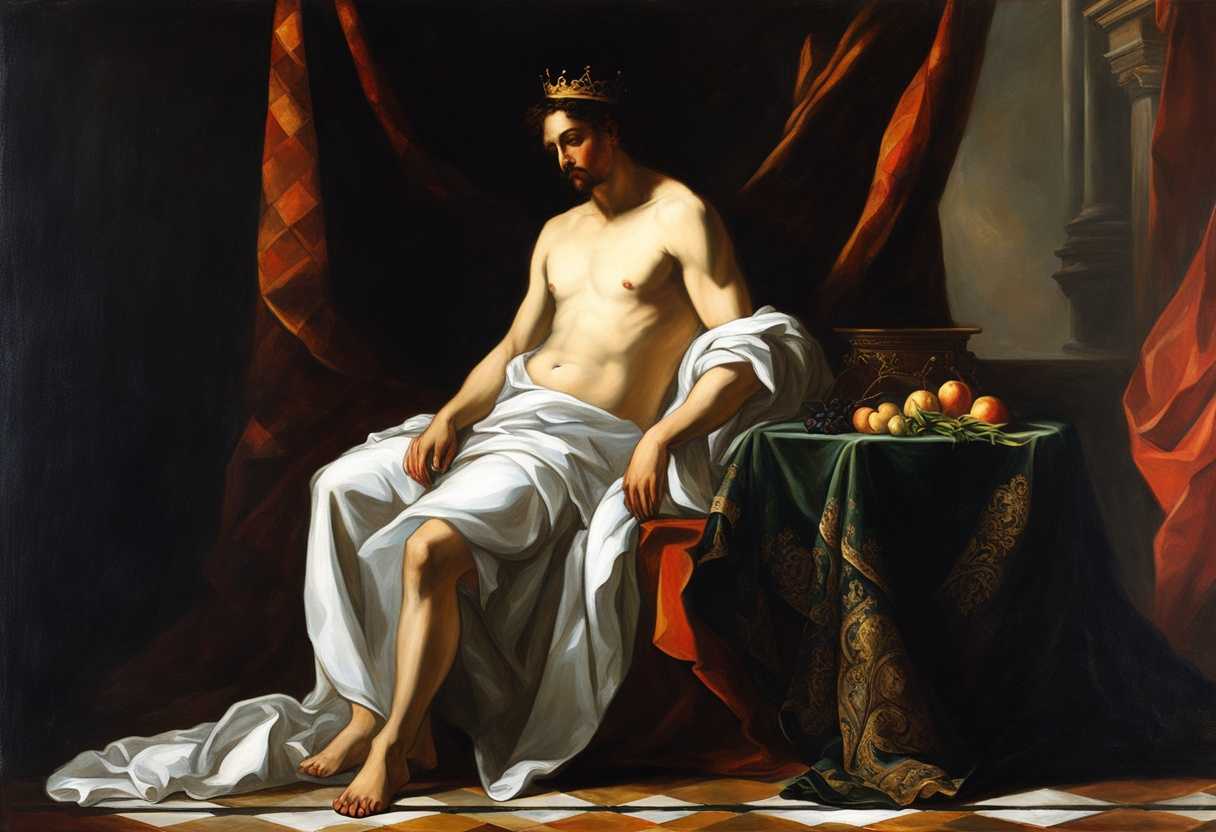
Setting the Scene for Hosea 13:11
In Hosea chapter 13, the prophet Hosea is addressing the people of Israel, warning them of the consequences of their continued disobedience to God. The scene is set in a bustling marketplace in the ancient kingdom of Israel. The air is filled with the sounds of merchants haggling, animals braying, and people going about their daily business. The sun beats down on the crowded streets, casting shadows as people move about.
Hosea stands in the midst of the marketplace, his voice ringing out above the noise as he delivers his message from God. The people of Israel, represented by a diverse crowd of merchants, farmers, and families, have gathered to listen to the prophet. Some look on with curiosity, while others listen intently, their faces reflecting a mix of emotions – from skepticism to fear.
As Hosea speaks, he warns the people of Israel of the impending judgment that will come upon them if they do not turn back to God. He reminds them of their history of turning away from the Lord and worshipping idols, urging them to repent and seek forgiveness. The scene is tense, with the weight of Hosea’s words hanging heavy in the air, as the people grapple with the choice set before them – to continue in their disobedience or to return to the God who has always been faithful to them.
What is Hosea 13:11 about?
This verse from the Bible highlights the tragic downfall of Ephraim, once a powerful and respected tribe in Israel. It serves as a cautionary tale about the consequences of falling into idolatry and turning away from God. At one point, Ephraim held such influence that his words carried weight and struck fear into others. The mention of being “exalted in Israel” emphasizes Ephraim’s high standing among the people.
However, Ephraim’s status and respect were marred by his guilt in worshipping Baal, a false god. His spiritual betrayal led to his ultimate demise. This verse underscores the importance of remaining faithful to God and warns against the dangers of pride and turning to other gods. Studying this scripture reminds us of the fragility of human nature and the importance of staying true to our beliefs and values in the face of temptations and worldly distractions. Reflecting on Ephraim’s story prompts us to examine our own faith and actions, ensuring that we stay committed to what is right and just in the eyes of God.
Understanding what Hosea 13:11 really means
In the Book of Hosea, amidst a backdrop of moral and spiritual decline in Israel, Hosea 13:11 stands as a poignant reflection of God’s response to the nation’s request for a king. The phrase “I gave you a king in my anger” reveals God’s granting of Israel’s desire for a monarch, albeit as a concession rather than His ideal plan. This act was a response to their persistent demands, illustrating how God sometimes allows us to have what we want, even if it may not align with His perfect will. However, the subsequent statement, “I took him away in my wrath,” underscores the consequences of disobedience and unrighteous leadership. It serves as a stark reminder that God’s gifts can be withdrawn when they are misused or lead us astray.
Drawing parallels from related biblical passages such as 1 Samuel 8:7-9 and 1 Samuel 15:26, we see a consistent theme of God warning against the dangers of human desires conflicting with His divine plans. The guidelines for kingship outlined in Deuteronomy 17:14-20 emphasize the importance of leaders aligning themselves with God’s principles to avoid leading the people astray. These passages collectively highlight the significance of seeking God’s guidance in all aspects of life, especially in matters of leadership and governance.
The relevance of Hosea 13:11 extends beyond its historical context, offering a timeless lesson for individuals today. It serves as a cautionary tale against prioritizing personal desires over God’s will, urging us to resist societal pressures that may lead us away from His intended path. By reflecting on the consequences of Israel’s insistence on a king against God’s warning, we are prompted to evaluate our own motivations and decisions, particularly in areas where our desires may conflict with God’s purposes.
Consider a scenario where a community clamors for a leader despite warnings about their character. Initially, positive changes may be observed, but over time, the leader’s true nature emerges, resulting in corruption and harm. This narrative echoes the trajectory depicted in Hosea 13:11, illustrating the peril of pursuing leadership or power for the wrong reasons and the subsequent downfall that ensues from disobedience and poor governance.
As we contemplate the implications of Hosea 13:11 in our lives, it is essential to introspect on areas where we may be prioritizing our desires over God’s will. By examining the long-term repercussions of decisions made hastily or under societal pressure, we can discern the importance of seeking divine guidance in all endeavors. Trusting in God’s plans, even when they diverge from our immediate wishes, is paramount in ensuring that our actions align with His purposes and lead to outcomes that are ultimately for our good.
How is my reliance on material possessions distracting me?
Your reliance on material possessions may be distracting you by leading you away from your true purpose and relationship with God. Material possessions can easily become idols that draw your focus and energy away from the spiritual aspects of your life. Instead of seeking fulfillment and security in God, you may be placing too much value on the things you own, ultimately hindering your spiritual growth and connection with the divine.
When you prioritize material possessions, you might find yourself consumed with acquiring and maintaining them, creating a barrier between you and God. This distraction can prevent you from fully devoting yourself to God and aligning your priorities with His will. You can begin to shift your focus back to what truly matters in your spiritual journey and strive for a more balanced and wholesome relationship with God by recognizing the potential consequences of relying too heavily on material possessions.
Application
Let Hosea 13:11 be your compass in this fast-paced world. Trust in the Lord’s plan and wisdom. Take a moment to realign your priorities and focus on what truly matters. Will you choose to let go of the reins and let God navigate the complexities of life for you?

Reverend Michael Johnson is an experienced Church Minister with a profound expertise in spirituality and guidance. With a serene presence and a compassionate heart, he has faithfully served his congregation for over 20 years, leading them on a spiritual journey towards inner peace and enlightenment. Reverend Johnson’s extensive knowledge of religious philosophies and profound understanding of human nature have made him a trusted confidant and mentor to many, as he seamlessly weaves his profound wisdom into life teachings. Reverend Johnson’s calming demeanor and empathetic nature continue to uplift and heal souls, nurturing a sense of unity and tranquility within his community.