
Hosea 2:5 is about God’s displeasure with the unfaithfulness of his people, likening it to a wayward wife who turns to false gods instead of remaining loyal to the one true God.
5 For their mother has played the whore;
she who conceived them has acted shamefully.
For she said, ‘I will go after my lovers,
who give me my bread and my water,
my wool and my flax, my oil and my drink.’
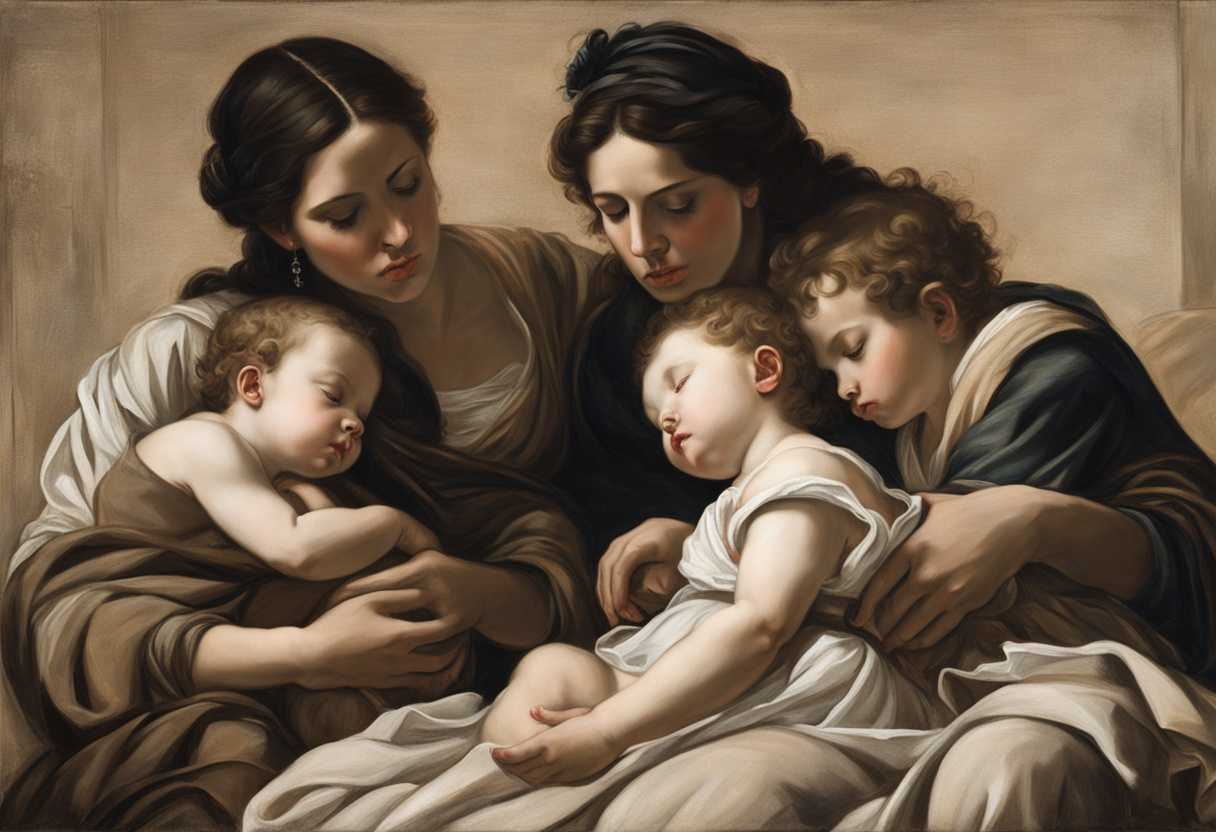
Setting the Scene for Hosea 2:5
In Hosea chapter 2, we find a poignant scene unfolding in the ancient kingdom of Israel. The prophet Hosea, a faithful servant of God, is standing in the midst of a bustling marketplace, surrounded by a diverse crowd of people. The air is filled with the sounds of merchants haggling, animals braying, and the chatter of passersby. The sun beats down on the dusty streets, casting long shadows as the day progresses.
Among the crowd, we see Gomer, Hosea’s wife, a woman of striking beauty but also known for her unfaithfulness. Despite Hosea’s love for her, she has strayed from their marriage and sought after other lovers. The tension between them is palpable as Hosea struggles with the pain of her betrayal, yet his love for her remains steadfast. As he watches her interact with the merchants, his heart is heavy with sorrow and longing for her to return to him.
In this moment, Hosea’s inner turmoil mirrors the relationship between God and His people, who have turned away from Him to worship idols and pursue their own desires. Through the story of Hosea and Gomer, God’s unfailing love and relentless pursuit of His wayward children are vividly portrayed, offering a powerful message of redemption and restoration.
What is Hosea 2:5 about?
Hosea 2:5 teaches us a powerful lesson about God’s discipline and love for his people. The verse captures the essence of how God uses discipline not to punish or hurt us, but to draw us back into a close relationship with Him. Just like a loving parent corrects their child to guide them towards the right path, God disciplines us out of His deep love for us. It is a way for Him to help us realize our mistakes, turn away from sin, and ultimately come back to Him so He can restore our relationship with Him. We can ask ourselves: How do we respond to God’s discipline in our own lives as we reflect on this verse? Do we recognize it as an act of love, or do we resent it as punishment? Understanding that God’s discipline is always rooted in love can transform our perspective and lead us to repentance and restoration. It reminds us that even in moments of correction, God is always working for our good and His ultimate desire is for us to be in a close, loving relationship with Him. Let this verse be a reminder of the unwavering love and grace that God extends to us through His discipline, guiding us back to Him and ultimately restoring our relationship with Him.
Understanding what Hosea 2:5 really means
Hosea 2:5 paints a vivid picture of Israel’s unfaithfulness to God, using the metaphor of a wife chasing after other lovers. This imagery is not merely a tale of ancient betrayal but a timeless lesson for all of us today. Just as Israel sought fulfillment in false gods and idols, we too can easily fall into the trap of prioritizing worldly pursuits over our relationship with God. The pursuit of material wealth, career success, or even relationships can become our modern-day “lovers,” drawing us away from the true source of fulfillment.
In the verse, when Israel declares, “I will go after my lovers,” it reflects a deliberate choice to turn away from the One who provides all their needs. The mention of bread, water, wool, flax, oil, and drink highlights how Israel wrongly attributes their sustenance and blessings to idols rather than acknowledging God as the ultimate provider. This serves as a stark reminder for us to examine where we place our trust and gratitude. Are we acknowledging God as the giver of all good things in our lives, or are we attributing our blessings to our own efforts or external sources?
The parallel with other biblical passages like Jeremiah 2:13 and Ezekiel 16:15 further emphasizes the consequences of forsaking God for false idols. Just as a broken cistern cannot hold water, our pursuits outside of God will ultimately leave us empty and unsatisfied. The imagery of Israel’s unfaithfulness as a form of spiritual prostitution underscores the severity of seeking fulfillment in anything other than God. It challenges us to reflect on our own lives and consider where we may be chasing after fleeting pleasures that can never truly satisfy our souls.
Consider the cautionary tale of someone consumed by their career, believing success and wealth will bring ultimate happiness. They may sacrifice relationships, health, and spiritual well-being in the relentless pursuit of worldly achievements. Yet, like Israel, they may find themselves empty and disillusioned despite their accomplishments. This modern-day illustration echoes the timeless message of Hosea 2:5, urging us to realign our priorities and seek true fulfillment in God alone.
Ultimately, Hosea 2:5 calls us to introspection and repentance. It prompts us to identify the “lovers” in our lives that compete for our devotion and redirect our hearts back to God. Just as Israel was called to return to the true source of their provision and blessings, we are reminded to acknowledge God as the giver of all good things. Let us heed this timeless lesson, recognizing that true fulfillment and satisfaction can only be found in a faithful relationship with our Creator.
Do we prioritize material possessions over spiritual fulfillment?
The verse in Hosea 2:5 illustrates the tendency to prioritize material possessions over spiritual fulfillment. It highlights the allure and attraction of material wealth, which can lead individuals to seek fulfillment in earthly possessions rather than in their relationship with God. This can ultimately result in neglecting the spiritual aspect of life in favor of accumulating material goods.
While material possessions can provide temporary satisfaction and comfort, they do not offer lasting fulfillment or true happiness. When we prioritize material wealth over spiritual growth and connection with God, we may find ourselves empty and unsatisfied in the long run. The verse serves as a reminder to focus on what truly matters in life and not be consumed by the desire for material possessions that do not bring eternal fulfillment. It encourages us to seek spiritual nourishment and fulfillment in our relationship with God rather than in the fleeting allure of possessions.
Application
In the fast-paced hustle of life, let’s make God our top priority, like we do with our careers and loved ones. Let’s stay loyal and committed to nurturing our relationship with Him, even when the world tries to pull us in different directions. Are you ready to strengthen your faith and bond with God, making it a cornerstone of your daily life and soul?

Reverend Michael Johnson is an experienced Church Minister with a profound expertise in spirituality and guidance. With a serene presence and a compassionate heart, he has faithfully served his congregation for over 20 years, leading them on a spiritual journey towards inner peace and enlightenment. Reverend Johnson’s extensive knowledge of religious philosophies and profound understanding of human nature have made him a trusted confidant and mentor to many, as he seamlessly weaves his profound wisdom into life teachings. Reverend Johnson’s calming demeanor and empathetic nature continue to uplift and heal souls, nurturing a sense of unity and tranquility within his community.