
Hosea 7:11 is about the foolishness and waywardness of the people of Israel, likened to a simple dove without understanding, who call out to Egypt for help but do not realize they are turning away from the true source of deliverance, God.
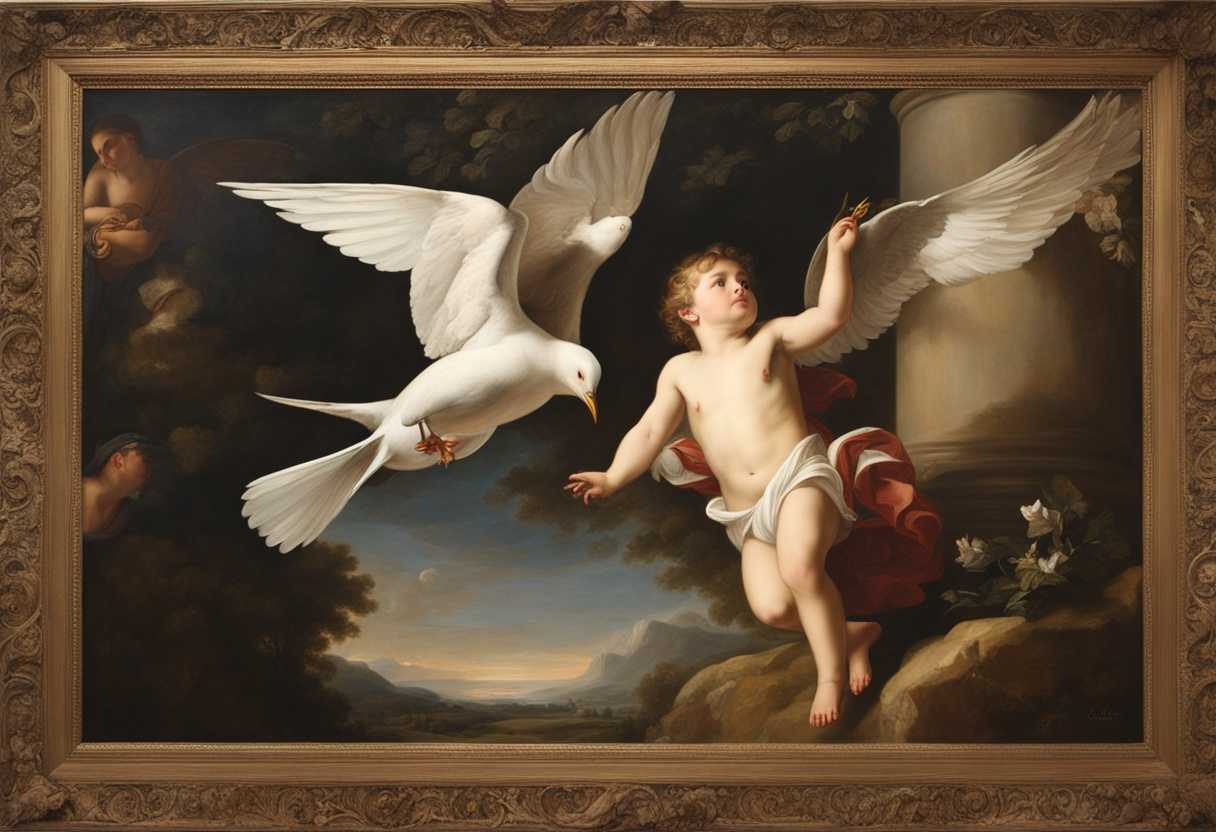
11 Ephraim is like a dove, silly and without sense, calling to Egypt, going to Assyria.
Setting the Scene for Hosea 7:11
In Hosea chapter 7, we find a scene set in the ancient kingdom of Israel during a time of great turmoil and moral decay. The prophet Hosea, a faithful servant of God, is standing in the midst of a bustling marketplace, surrounded by a diverse crowd of people from all walks of life. The air is filled with the sounds of merchants haggling, animals braying, and the chatter of the townspeople going about their daily business.
As Hosea looks around, he sees the leaders of the nation indulging in corruption and idolatry, leading the people astray from the path of righteousness. The scene is chaotic and filled with a sense of moral confusion, as the people have turned away from God and are now reaping the consequences of their actions. Despite the chaos and sin that surrounds him, Hosea stands firm in his faith, a beacon of light in the darkness, calling the people to repentance and a return to God.
In the midst of this scene, Hosea’s heart is heavy as he witnesses the spiritual decline of his people. He knows that judgment is looming on the horizon, but he also holds out hope for redemption and restoration if the people would only turn back to God. As he lifts his voice to proclaim God’s message of love and forgiveness, the crowd falls silent, captivated by his words, and some hearts are stirred to repentance.
What is Hosea 7:11 about?
The comparison of Ephraim to a dove in this verse highlights the vulnerability and gullibility of the people of Ephraim. Just like a dove can be easily fooled or led astray, Ephraim is described as lacking sense or discernment, making them susceptible to deception or making poor choices without fully understanding the consequences. This imagery serves to emphasize the weakness or naivety of Ephraim as a community or group of people.
Have you ever felt like you were easily swayed or misled in certain situations? Ephraim’s lack of sense suggests a vulnerability that can lead to negative outcomes, just as a cunning predator might deceive a dove. This comparison serves as a warning about the dangers of being too trusting or lacking critical thinking skills. It prompts us to reflect on our own tendencies to believe things without questioning or to follow along without fully understanding the implications.
Understanding what Hosea 7:11 really means
Hosea, a prophet in the tumultuous era of the Northern Kingdom of Israel, used vivid imagery to convey God’s message to His people. In Hosea 7:11, the metaphor of Ephraim being like a dove, easily deceived and senseless, paints a picture of Israel’s vulnerability to external influences. The simplicity associated with doves takes a darker turn as it signifies Israel’s naivety and lack of discernment, leading them astray from God’s path. This verse highlights the danger of being swayed by false promises and foreign allurements, a timeless warning against succumbing to worldly temptations.
The reference to Israel’s wavering between calling to Egypt and turning to Assyria reflects a recurring theme in the Bible of seeking human solutions over divine intervention. Egypt and Assyria, as powerful nations of that time, symbolize the allure of relying on earthly powers rather than trusting in God’s providence. The consequences of such misplaced trust are evident in the admonitions found in related passages like Isaiah 30:1-2 and Jeremiah 2:36, emphasizing the disappointment and sin that result from forsaking God’s guidance for human alliances.
The relevance of this verse extends to contemporary life, urging individuals to reflect on their tendencies to seek worldly counsel over spiritual wisdom. The cautionary tale of Israel serves as a mirror for self-examination, prompting us to identify areas in our lives where we may be easily led astray by deceptive influences. Just as Israel turned to Egypt and Assyria for help, we are challenged to recognize our own “Egypts” and “Assyrias”—the substitutes for God’s guidance that we rely on in times of need.
In practical terms, Hosea 7:11 invites us to reassess our sources of guidance and wisdom, encouraging us to prioritize seeking God’s will above all else. By acknowledging our vulnerabilities to deception and senselessness, we open ourselves to the transformative power of divine discernment. Through prayer and reflection, we can cultivate a deeper reliance on God’s wisdom, steering clear of the pitfalls of misplaced trust and finding true direction and peace in His unfailing guidance.
Ultimately, Hosea 7:11 stands as a poignant reminder of the enduring relevance of God’s Word in guiding our lives. It challenges us to reevaluate our allegiances and dependencies, urging us to place our trust firmly in the unwavering faithfulness of God. As we heed this call to spiritual discernment and reliance on God’s wisdom, we pave the way for a life anchored in His truth and grace, free from the snares of worldly deceptions.
What idols am I unknowingly worshiping in my life?
We can sometimes find ourselves unknowingly worshipping idols by placing our trust and desires in things other than God in our lives. This can manifest in various forms, such as wealth, success, relationships, or even our own abilities and strengths. When we prioritize these things over our relationship with God, they can become idols that we unwittingly worship. These idols can distract us from following God wholeheartedly and can hinder us from experiencing the fullness of His presence and blessings in our lives.
It is important for us to regularly examine our hearts and actions to identify any idols that may be taking precedence in our lives. We can refocus our worship on the One who truly deserves it by seeking God’s guidance and surrendering these idols to Him. When we prioritize God above all else and align our lives with His will, we can break free from the grip of idols and experience the true peace and fulfillment that comes from worshipping Him alone.
Application
Just as we turn to our GPS for guidance in navigating unfamiliar roads, let us also turn to God for direction in navigating life’s challenges. Embrace His wisdom, for He knows the way better than we ever could. Let’s not rely solely on our limited perspective but place our trust in His infinite knowledge. Will you join me in seeking God’s guidance and wisdom as we journey through the uncertainties of life?

Reverend Michael Johnson is an experienced Church Minister with a profound expertise in spirituality and guidance. With a serene presence and a compassionate heart, he has faithfully served his congregation for over 20 years, leading them on a spiritual journey towards inner peace and enlightenment. Reverend Johnson’s extensive knowledge of religious philosophies and profound understanding of human nature have made him a trusted confidant and mentor to many, as he seamlessly weaves his profound wisdom into life teachings. Reverend Johnson’s calming demeanor and empathetic nature continue to uplift and heal souls, nurturing a sense of unity and tranquility within his community.